BlogsBlogs

Explore cutting-edge articles on laboratory products, industry innovations, and research trends with Lab Consulting.

Explore cutting-edge articles on laboratory products, industry innovations, and research trends with Lab Consulting.

2026 Top Types of Lab Freezers Which Is Best?

Choosing among lab freezers is not a simple capacity decision. A small upright unit beside a busy bench may suit daily reagents, while long-term specimen storage often demands an ultra-low-temperature model, dependable alarms, and a backup plan. The wrong choice can mean cramped shelves, unstable temperatures, or samples placed too close to the door.

Industry reports help frame the market, but they do not replace equipment-level evidence. Grand View Research’s Laboratory Freezers Market report tracks product categories and market trends; the CDC’s Vaccine Storage and Handling Toolkit stresses suitable equipment, temperature monitoring, and documented response. Those sources point to a practical rule: compare performance under real operating conditions, not just brochure specifications.

This guide reviews the leading freezer types for 2026, including upright, chest, under-counter, and ultra-low-temperature models. It considers usable capacity, recovery after door openings, temperature range, alarms, energy use, and service support. Small differences matter. A crowded rack can obstruct airflow; a door opened repeatedly can complicate temperature control.

For expert guidance, an attributable quotation needs a verifiable source. No source article or expert interview was supplied, so this introduction does not invent one. That is a limitation worth keeping visible. The best lab freezers depend on sample needs, workflow, room conditions, and the team’s ability to monitor and maintain them.

2026 Top Types of Lab Freezers Which Is Best?

How Laboratory Freezers Preserve Temperature-Sensitive Materials

Laboratory freezers preserve temperature-sensitive materials by keeping samples within a controlled range and slowing unwanted chemical or biological changes. Their job is not simply to feel cold. Small details matter. Ultra-low-temperature units commonly operate near −80°C, while standard laboratory freezers often store materials around −20°C. Some reagents and biological products require other setpoints, so the product instructions and validated storage procedure should guide the choice.

Different freezer types suit different needs. A standard upright or chest freezer can support routine sample storage; chest models often lose less cold air when opened. Ultra-low-temperature freezers are designed for materials needing much colder conditions. Specialized units may serve specific applications, such as storing certain plasma products. The “best” type depends on the sample, required temperature, access frequency, and available monitoring—not just capacity.

Stable storage also depends on daily practice. Use an independent temperature monitor and an alarm, and check records for unexplained rises. Keep samples organized, leave room for airflow, and limit long door openings; a warm laboratory can quickly affect recovery after access. Temperature mapping can reveal warmer spots that a single display misses. In practice, selection is messier than a chart suggests. A freezer can be technically suitable yet poorly matched to a busy room or crowded workflow. A little doubt is useful. Reassess storage needs when materials, procedures, or access patterns change.

Major Types of Laboratory Freezers and Their Operating Ranges

2026 Top Types of Lab Freezers: Which Is Best?

Major Types of Laboratory Freezers and Their Operating Ranges

Standard laboratory freezers usually operate near -20°C, supporting routine storage of reagents and prepared samples. Low-temperature models commonly reach -40°C to -60°C for materials needing colder, steadier conditions. Ultra-low-temperature (ULT) freezers typically operate between -60°C and -86°C, often near -80°C for long-term specimen storage. These are practical ranges, not universal requirements; check each sample’s validated storage protocol.

The CDC’s 2024 Vaccine Storage and Handling Toolkit specifies -50°C to -15°C for frozen vaccines and -90°C to -60°C for ultracold vaccines. These are vaccine-specific ranges, but they provide a useful reference for temperature classes. ISBER’s 2023 Best Practices for Repositories emphasizes ongoing temperature monitoring, alarms, and backup planning. A freezer’s display alone is not proof that every box stays at its target temperature. A perfect setpoint can still mislead.

Tips: Match freezer range to the sample, not just the purchase label. Place an independent probe near stored materials, log temperature excursions, and avoid blocking airflow with tightly packed boxes. Know the sample. Door openings and frost buildup can cause uneven conditions, especially in busy labs.

Key Differences in Capacity, Temperature, and Storage Design

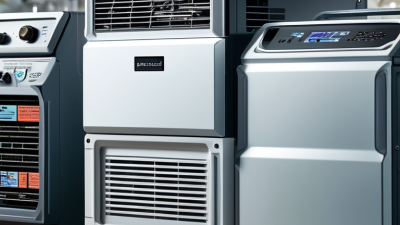
Lab freezers differ most in usable capacity, temperature range, and how easily staff can reach stored samples. Upright models use shelves or drawers, making labels and racks easier to see in a narrow room. Chest models often hold bulky loads, but samples at the bottom can take longer to retrieve. That small inconvenience matters during busy routines.

Temperature needs should come from the sample protocol, not from a freezer’s headline specification. Standard laboratory freezers suit many materials that need subzero storage; ultra-low-temperature models serve samples requiring substantially colder conditions. Exact set points vary, so check the documented limits and recovery performance. Opening the door repeatedly can affect temperature stability. It happens.

Storage design deserves equal attention. Drawers, adjustable shelves, rack compatibility, and door layout affect how quickly staff can locate a vial and return it. Undercounter units save floor space, though their capacity may be modest. Before choosing, measure the available footprint and estimate current and future sample volume. Leave room for airflow and maintenance access. A freezer that fits perfectly on paper may feel cramped once racks, boxes, and daily handling are included. That estimate is easy to get wrong.

How to Choose a Laboratory Freezer for Your Application

Choosing a laboratory freezer begins with the samples, not the product label. Routine reagents may suit a standard -20°C unit, while many enzymes and biological materials need colder storage. A -40°C model can bridge that gap; an ultra-low-temperature freezer is appropriate only when validated protocols require it. Check the required temperature range, usable capacity, and expected sample load. A freezer that is constantly packed may cool unevenly and leave little room for new material.

Tips: Measure the doorway and floor space before delivery. Confirm electrical requirements, alarm options, and what happens during a power interruption. Ask whether the temperature display can be checked against a calibrated reference.

Consider daily workflow, too. Frequent door openings, tall racks, and small sample boxes can affect access and temperature recovery. Look for clear temperature records and a plan for routine maintenance. If samples are irreplaceable, assess backup storage and emergency response before purchase. Specifications can look reassuring on paper, but real performance depends on installation and use. I would compare models under your actual loading conditions where possible; that step is easy to overlook. Keep the chosen set point aligned with your laboratory’s validated procedures.

Which Laboratory Freezer Type Best Fits Each Storage Need

The right laboratory freezer depends on what you store, how long it must remain stable, and how often staff need access. A −20°C upright freezer suits many enzymes, reagents, and short-term sample needs. For sensitive materials requiring very low temperatures, an ultra-low-temperature model, often set near −80°C, may be appropriate. Always check validated storage requirements; one temperature does not fit every sample.

Design matters, too. Upright units make labeled boxes easier to reach, while chest models can limit cold-air loss when opened. But digging through a crowded chest freezer gets old quickly. Consider usable capacity, door-opening frequency, alarm functions, backup power plans, and temperature recovery. A freezer that fits the room but blocks safe access is a poor match.

Tips: Map the warmest and coldest storage zones, and keep a temperature log. Leave space for airflow. Recheck your choice when sample volume or access patterns change; the original setup may no longer be ideal.

Newsletter

Subscribe to our newsletter and receive the latest news and exclusive insights every month. No spam.