



How to Choose the Right Centrifuges for Your Laboratory: A Practical Guide
- December 23, 2025
- Last Updated: December 23, 2025

A centrifuge is one of the most important pieces of equipment in any modern laboratory. Whether in a hospital, research facility, or university, daily lab work would hardly be possible without it. A centrifuge separates substances based on density, such as blood components, cell samples, or chemical mixtures.
However, not all centrifuges are the same. Different laboratory applications require specific models with unique features, speeds, and rotors. So, anyone planning to buy a new centrifuge must understand their lab’s exact needs.
In this practical guide, you’ll learn how to choose the right centrifuge for your laboratory explained step by step with insights from real laboratory experience. You’ll also discover what truly matters when it comes to quality, performance, and lab service.
What Is a Centrifuge and How Does It Work?
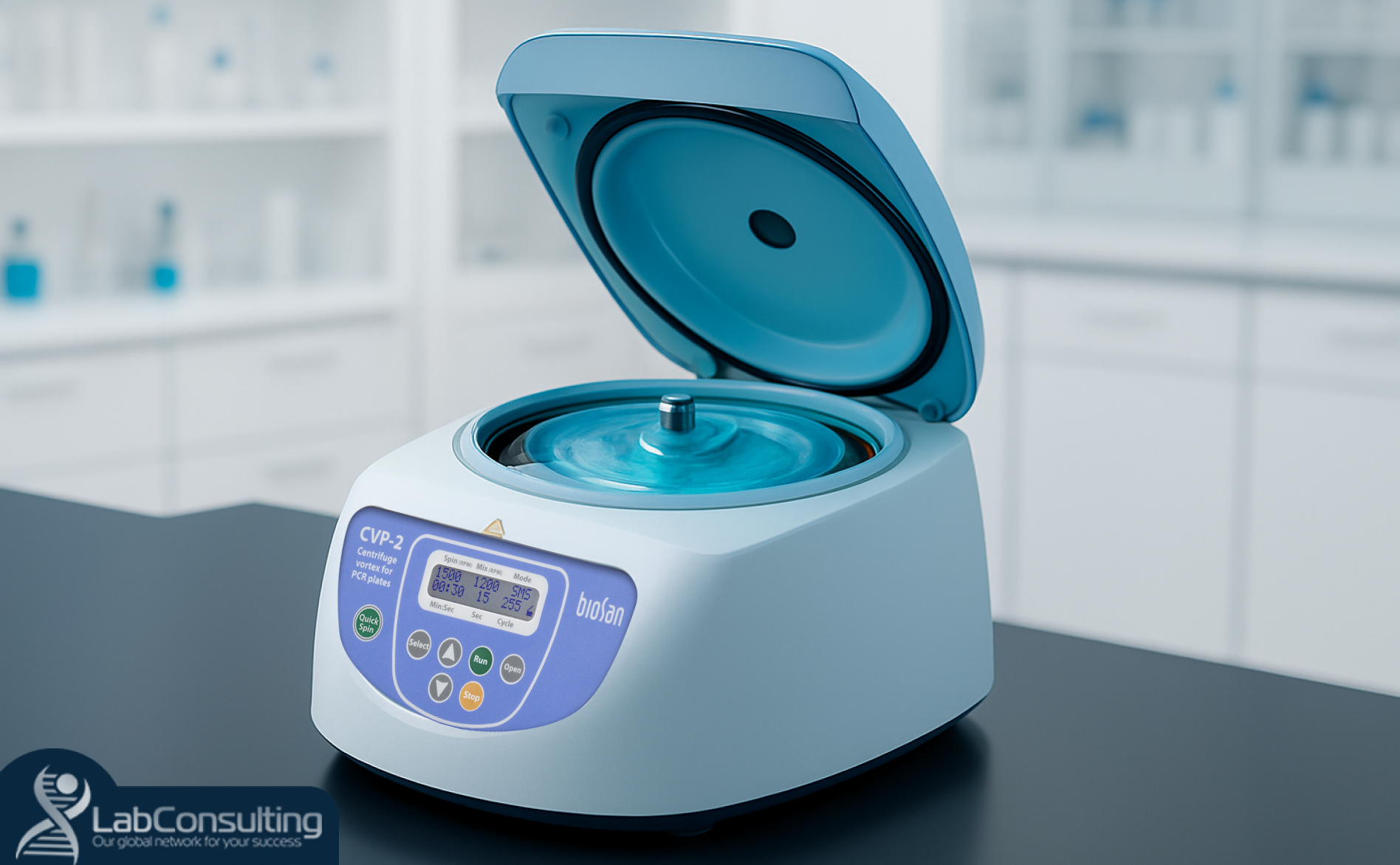
A centrifuge is a device that separates substances using rotation. It works on a simple principle: when a sample spins at high speed, forces act on the particles inside. Heavier components are pushed outward, while lighter ones remain closer to the center. This process creates a clear separation of different layers.
A classic example is blood testing. When a blood sample is placed in laboratory centrifuges and spun at high speed, the red blood cells settle at the bottom while the plasma stays on top. Researchers and clinicians use this same principle every day in fields such as molecular biology, chemistry, and clinical diagnostics.
Depending on the application, various laboratory devices are used: small micro centrifuges for DNA samples, larger benchtop centrifuges for hospitals, or refrigerated centrifuges for temperature-sensitive materials. The key is to match the speed, rotor type, and sample volume to the intended purpose.
Choosing the right centrifuge for your laboratory not only saves time but also improves analytical quality, an essential factor for research institutions, hospitals, and private laboratories alike.
Why Choosing the Right Centrifuge Matters?
Selecting the right centrifuge is more than a technical choice; it directly affects result quality, work efficiency, and laboratory safety.
If a centrifuge doesn’t fit the intended application, serious problems can occur:
- Samples may not separate completely,
- sensitive materials can overheat,
- or rotors might become overloaded or damaged.
For instance, clinical diagnostics often require stable speeds and precise temperature control for blood analysis. In research, on the other hand, small DNA or protein samples demand higher spinning speeds and accuracy.
That’s why it’s essential to review your lab’s needs before buying a new laboratory centrifuge, considering the type of samples, frequency of use, and whether cooling is required.
A well-chosen model saves costs in the long run, reduces maintenance needs, and ensures reliable, repeatable results. Many modern laboratory devices can also be optimized through regular calibration and maintenance, a service that professional providers such as LabConsulting can deliver through their specialized lab service.
Types of Centrifuges and Their Applications
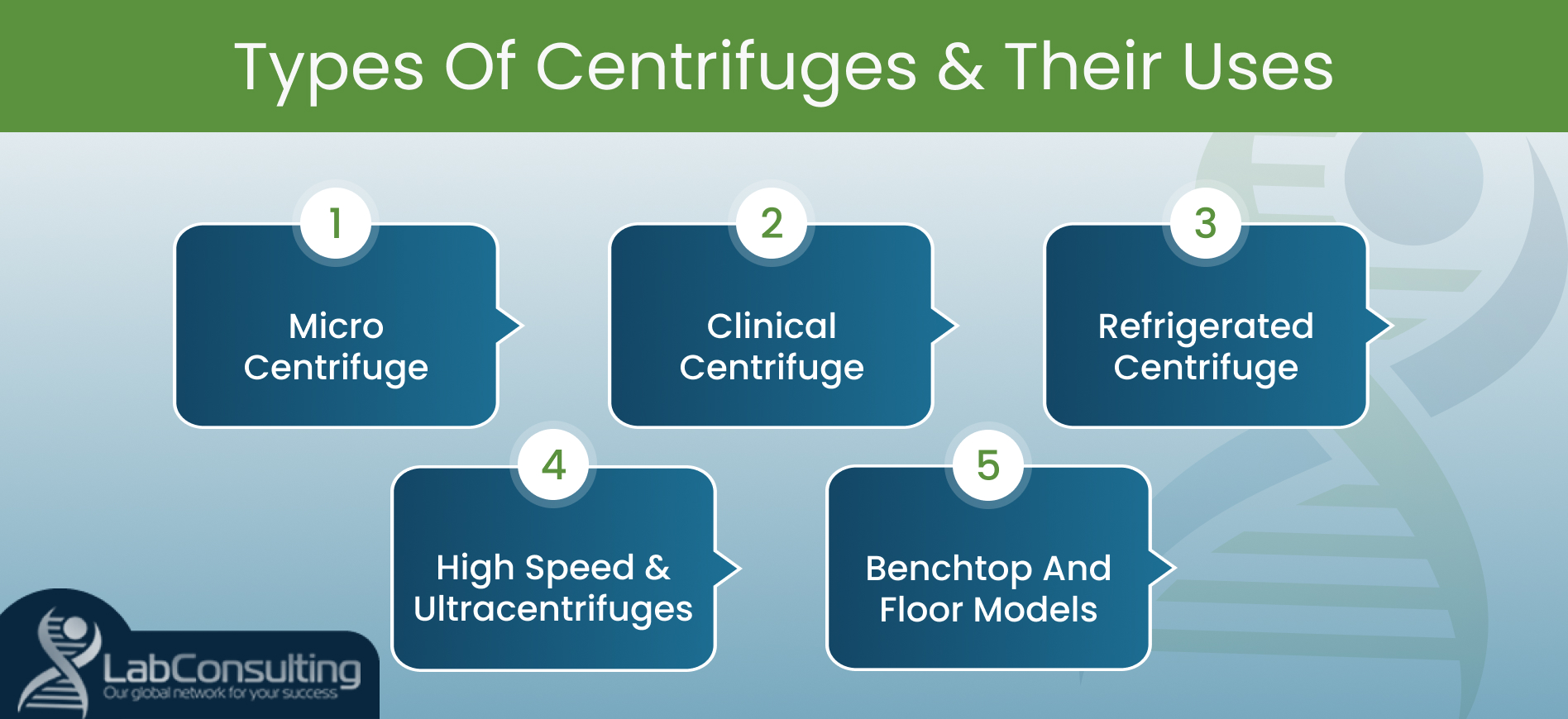
Not all centrifuges operate the same way. Depending on purpose, sample volume, and temperature needs, different lab centrifuge types are used. The following overview helps identify which type fits which use case:
1. Microcentrifuge
This compact microcentrifuge is perfect for small samples (0.5–2 ml). It’s commonly used in molecular biology and genetic research for DNA or RNA isolation. Its high speed enables rapid separation even with minimal volumes.
2. Clinical Centrifuge
Used mainly in medical and clinical laboratories, this type separates blood and urine samples. It’s designed for routine diagnostics, with moderate speeds and easy handling. Stability and quiet operation are key advantages.
3. Refrigerated Centrifuge
Equipped with built-in cooling, this type is ideal for temperature-sensitive samples such as enzymes, proteins, or cells. Temperature control prevents heat damage caused by friction during rotation.
4. High-Speed and Ultracentrifuges
These high-performance machines are essential in research institutes, pharmaceutical, and biotechnology labs. They reach speeds above 50 000 rpm and allow the separation of fine particles such as viruses or macromolecules.
5. Benchtop and Floor Models
Besides technical features, size matters. Benchtop centrifuges are compact and ideal for standard labs. Floor-standing centrifuges offer higher capacity and are better for large facilities handling many samples at once.
Choosing the right laboratory equipment ensures that every lab from university departments to hospitals achieves the best possible performance. Providers like LabConsulting offer a wide selection of centrifuges suited to diverse scientific and medical needs.
Key Factors to Consider Before Buying a Centrifuge
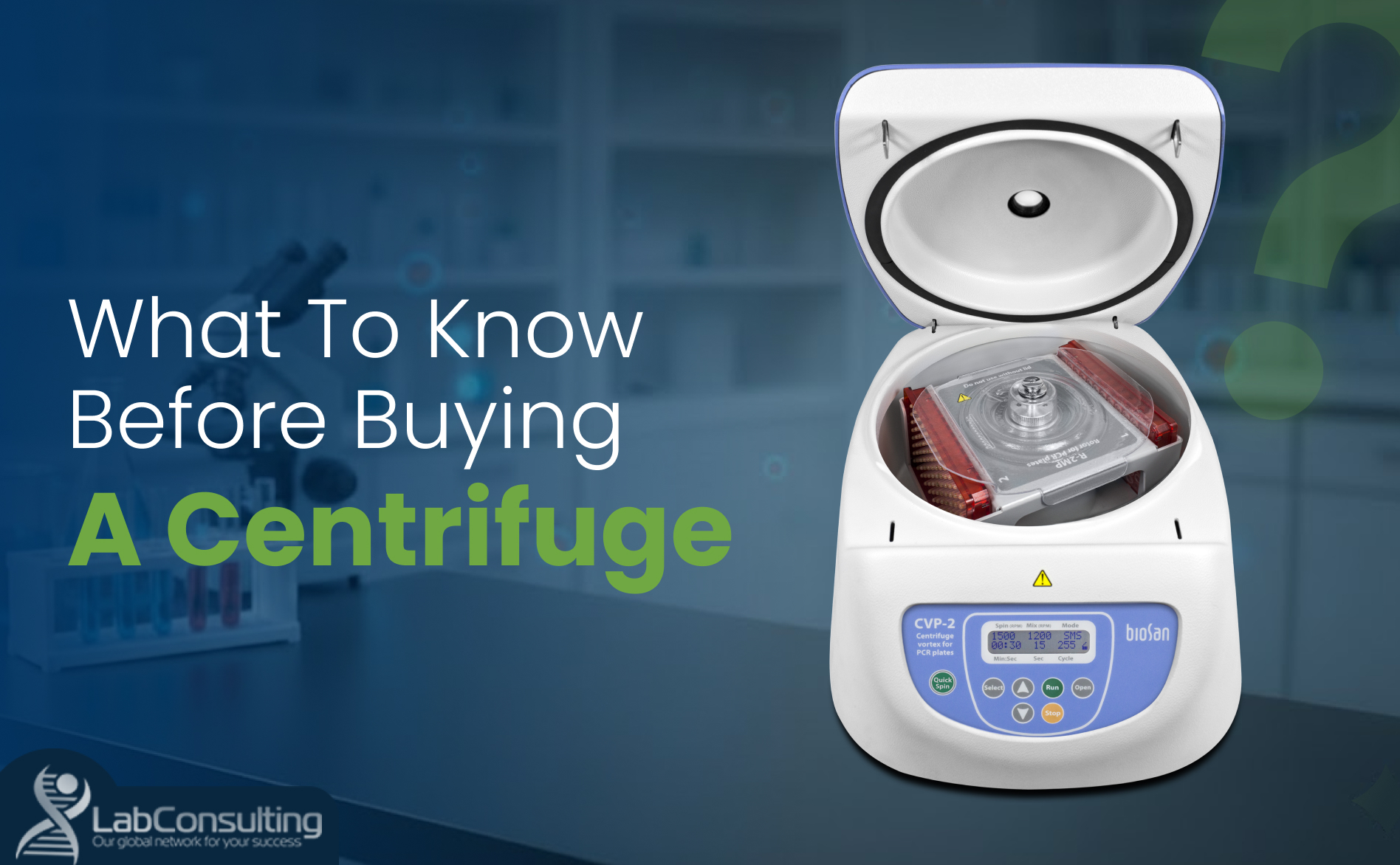
Buying a new centrifuge requires careful planning. Each application has unique needs for speed, volume, temperature, and safety. Knowing these factors in advance helps avoid costly mistakes later.
1. Type of Samples and Application
Before you buy a centrifuge, identify which samples you’ll be working with most often. Biological materials like blood or cell cultures require different devices than chemical or industrial samples. A laboratory supplier such as LabConsulting can guide you through the options.
2. Speed and Relative Centrifugal Force (RCF)
While performance is often shown in revolutions per minute (RPM), what truly matters is relative centrifugal force (RCF). RCF measures the actual separation strength. For sensitive samples, adjustable RCF helps prevent damage.
3. Rotor Type
The rotor is the heart of every centrifuge.
- Fixed-angle rotors are best for high speeds and short runs.
- Swing-out rotors are ideal when samples must remain horizontal during spinning, such as in clinical tests. A flexible rotor increases versatility and long-term cost-efficiency.
4. Capacity and Tube Size
Sample volume determines which laboratory equipment fits best. Smaller labs use 0.5 ml–15 ml tubes, while larger facilities may require 50 ml or more. Make sure your centrifuge can handle the daily workload.
5. Temperature Control
For temperature-sensitive materials like enzymes or proteins, a refrigerated centrifuge is essential. It prevents sample degradation caused by frictional heat. This is especially important in microbiology and biochemistry.
6. Noise, Balance, and Safety
A good laboratory centrifuge should operate quietly and include an automatic balancing system. Look for safety features like lid locks, emergency brakes, and error sensors that protect both personnel and samples.
7. Maintenance and Service
Even the best centrifuges need regular maintenance and calibration. Check if your supplier offers reliable lab service. Companies like LabConsulting handle inspections, spare parts, and rotor testing to ensure your equipment is always ready for use.
Common Mistakes to Avoid When Buying a Centrifuge
Even though the laboratory centrifuge market offers many options, many labs make the same purchasing mistakes. These often lead to unnecessary costs, downtime, or inaccurate results. Here are the most common pitfalls and how to avoid them.
1. Choosing the Wrong Size
A frequent mistake is selecting a centrifuge that doesn’t match the daily workload. A centrifuge that’s too small overheats or runs continuously, while an oversized one wastes energy.
Tip: Estimate your average sample volume and allow a small buffer for peak usage.
2. Confusing RPM with RCF
Many buyers focus only on rotation speed (rpm) and overlook relative centrifugal force (RCF) , the real measure of separation efficiency. Ensure your device displays both or can easily convert between them.
3. Ignoring Rotor Compatibility
Not every rotor suits every task. Using the wrong rotor may damage samples or cause uneven separation. Always check for flexible rotor options and matching laboratory accessories.
4. No Temperature Control for Sensitive Samples
Labs working with delicate materials such as enzymes, proteins, or cells must use a refrigerated centrifuge. Without temperature regulation, sample quality can degrade a common and costly mistake in research facilities.
5. Skipping Maintenance Planning
Many labs buy high-quality equipment but forget about service. Without routine maintenance, calibration, and safety checks, every centrifuge loses precision over time. Providers like LabConsulting offer dedicated maintenance contracts to prevent this.
6. Focusing Only on Price
The cheapest option isn’t always the best. A low-cost laboratory centrifuge may end up more expensive in the long term due to high repair or spare part costs. It’s wiser to invest in quality, warranty, and strong service support.
By avoiding these mistakes, your laboratory ensures long-term precision, reduced downtime, and lower operating costs making it a smart and sustainable investment.
Practical Buying Checklist for Laboratory Managers

To make selecting the right centrifuge for your laboratory easier, a structured checklist can help. It highlights the most important factors from technical specifications to after-sales service and maintenance.
Checklist: What to Consider Before Buying a Centrifuge
1. Define your purpose and sample type.
Are you working with blood, cell cultures, chemical solutions, or DNA samples? The sample type determines rotor, speed, and cooling needs.
2. Set the required speed range (RCF).
High speeds are essential for molecular biology, while clinical diagnostics usually require moderate levels.
3. Choose the right rotor type.
Decide whether you mostly need fixed-angle or swing-out rotors. Some models allow both to be ideal for versatile use.
4. Check capacity and tube size.
Ensure rotors match your tube sizes (e.g., 15 ml or 50 ml). Leave room for potential increases in sample volume.
5. Determine if cooling is needed.
For temperature-sensitive samples, a refrigerated centrifuge is essential.
6. Prioritize safety and ergonomics.
Features like lid locking, rotor recognition, and vibration sensors protect both users and samples.
7. Plan for maintenance and service.
Regular calibration and maintenance extend equipment lifespan. Providers like LabConsulting offer complete service packages, including inspection, repair, and spare parts.
8. Compare energy efficiency and noise level.
Modern laboratory devices are quieter and consume less power ideal for continuous use and comfortable work environments.
9. Check warranty and spare part availability.
Ensure long-term access to rotors and accessories to prevent downtime.
10. Seek professional consultation.
A trusted partner such as LabConsulting can recommend the best centrifuge based on your lab size, budget, and specific applications.
With this checklist, lab managers and research institutions can make confident purchasing decisions that ensure lasting quality, efficiency, and safety.
Conclusion: The Right Centrifuge Is an Investment in Quality and Safety
Choosing the right centrifuge for your laboratory isn’t a quick decision, it’s a strategic investment. It affects how reliable your analyses are, how efficiently your team works, and how long your equipment lasts.
By carefully considering factors like sample type, speed, rotor, capacity, cooling, and maintenance, you can save both time and money in the long run. For research institutions, hospitals, and industrial laboratories, quality always pays off.
A high-quality centrifuge combined with professional calibration and maintenance ensures accurate results, fewer failures, and safer lab operations.
If you need help choosing the best model, LabConsulting is your reliable partner. The company not only provides a wide range of laboratory equipment, but also offers full laboratory service from planning and installation to maintenance.
Final tip: Before you buy a new laboratory centrifuge, consult an expert who understands your specific needs. That way, you’ll ensure your lab is equipped for both present and future success.
About The Author
Contact Us
RECENT POSTS
-

- December 23, 2025
How Innovation Labs Are Shaping Austria’s Scientific Landscape
Innovation labs in Austria are transforming the scientific landscape. In the past five years, their number has doubled, boosting research...
Read More -

- December 23, 2025
Premier Laboratory Technical Services in Austria
Maintaining your equipment’s precision and efficiency is crucial in the rapid-fire environment of scientific research and laboratory operations. A famous...
Read More -

- December 23, 2025
Professional Laboratory Outsourcing Services for all Labs Operation in Austria
Running successful laboratory operations in Austria and Germany requires more than just advanced technology and skilled manpower. Efficient lab outsourcing...
Read More


