BlogsBlogs

Explore cutting-edge articles on laboratory products, industry innovations, and research trends with Lab Consulting.

Explore cutting-edge articles on laboratory products, industry innovations, and research trends with Lab Consulting.

Top IoT Batteries for Global Buyers in 2026

Choosing IoT Batteries in 2026 means matching a power source to the device, its environment, and its service life. A soil sensor in a dry field has different needs from a tracker crossing cold warehouses. Buyers may compare primary lithium cells, rechargeable options, and battery packs designed for specific devices. No chemistry wins every job.

A useful review looks beyond advertised capacity. Check operating temperature, pulse demand, self-discharge, expected reporting frequency, and the device’s actual power profile. A radio transmitting in short bursts can stress a cell differently from a sensor that sleeps most of the day. Small details matter. Connector fit and enclosure space can turn a promising specification into a poor match.

Global purchasing adds practical questions. Confirm current datasheets, production status, supplier support, and shipping availability for each target market. Ask how performance claims were measured; test samples under realistic conditions when possible. A spreadsheet helps, but it can miss field surprises. Even strong test results may not predict years of outdoor use, and published figures can depend on temperature and load. That uncertainty deserves attention, not a confident guess.

This guide compares leading battery choices through those everyday requirements, rather than treating one product as universally best. It is a starting point, not a substitute for device-level validation. Teams should verify specifications with manufacturers before committing to volume orders. A careful choice can reduce maintenance visits and unexpected downtime. A careless one can leave a well-designed sensor silent.
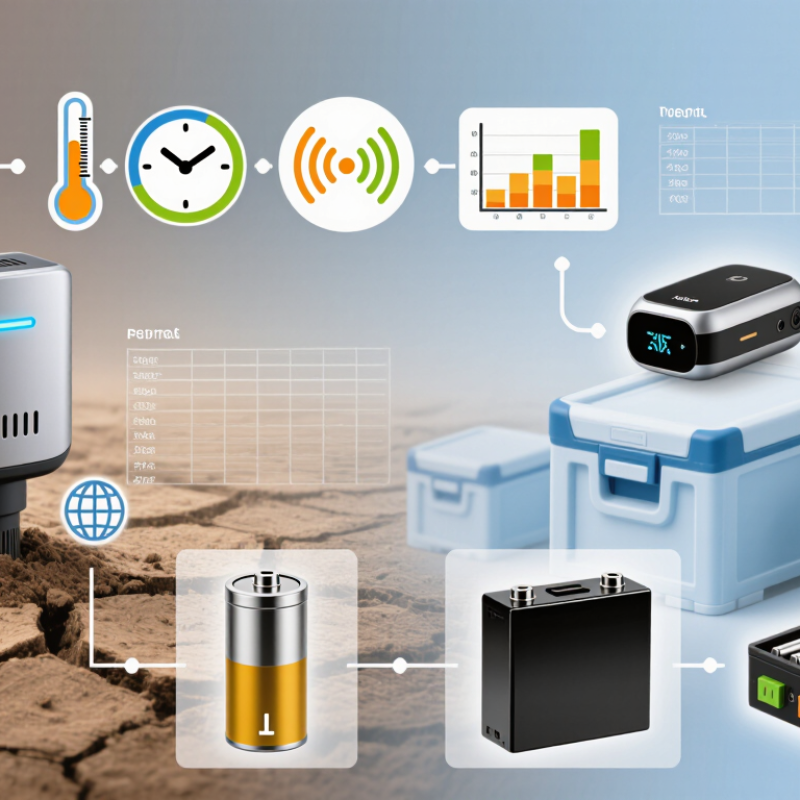
Top IoT Batteries for Global Buyers in 2026

How IoT Devices Shape Battery Requirements in 2026

In 2026, IoT battery requirements are shaped by how devices communicate, sense, and sleep. Battery choice now follows operating behavior, not just rated capacity. A soil sensor may spend hours idle, then transmit readings through a weak connection. Those brief radio bursts can demand more current than steady sensing. A cell with ample capacity may still struggle to support them. That detail is easy to miss.

Remote meters and asset trackers also face long service intervals, limited access, and changing temperatures. Cold conditions can reduce available power, while frequent network retries may drain energy faster than expected. Designers should test batteries with the device’s actual transmission schedule and local temperature range. Measure pulse performance, self-discharge, and expected shelf time alongside capacity. A tidy spreadsheet cannot replace field data. It can, however, reveal assumptions worth checking. Some estimates will be wrong; real deployments are messier than lab cycles. Battery monitoring can help identify gradual changes, but it adds its own energy cost. Teams need to account for that overhead before choosing a maintenance plan.

Battery Chemistries Used in Modern IoT Applications

Battery chemistry shapes an IoT device’s size, service life, and behavior in cold weather. Primary lithium-thionyl chloride cells suit remote sensors that send small, infrequent data packets. They can support long deployments, but their voltage may sag during brief, high-current radio transmissions. A pulse capacitor can help. Small details matter.

Lithium-manganese dioxide batteries are another primary option, often used where compact size and dependable power are priorities. Rechargeable lithium-ion cells fit devices with regular access to charging, such as gateways or wearable monitors. Lithium iron phosphate can offer strong cycle life and thermal stability, though its lower cell voltage affects system design. Chemistry alone does not determine performance.

Nickel-metal hydride remains useful in some rechargeable products, especially where simple charging and frequent replacement are practical. For a soil sensor buried in a field, low self-discharge and cold-weather behavior may matter more than peak capacity. For a tracking tag that transmits often, pulse demand deserves close testing. Datasheet figures can mislead when test conditions differ from real use. Engineers should check temperature range, discharge profile, storage time, and the device’s actual transmission pattern before selecting a cell. A neat spreadsheet may still miss a winter morning.

Leading IoT Battery Types and Their Key Trade-Offs

Top IoT Batteries for Global Buyers in 2026
Leading IoT Battery Types and Their Key Trade-Offs

A battery choice starts with a device’s duty cycle, not its label. A soil sensor sending one reading hourly may favor a primary lithium cell, while a gateway with frequent radio bursts needs stronger pulse delivery. Lithium thionyl chloride cells offer high energy density and long shelf life, but voltage sag during bursts may require a capacitor. Lithium manganese dioxide cells generally handle higher pulses better, though usable life depends on load and temperature. Small details matter.

Rechargeable lithium-ion suits devices with regular charging or energy harvesting, but adds charging circuitry and aging considerations. Lithium iron phosphate can offer robust cycle life, yet its lower cell voltage and size may complicate compact designs. Alkaline cells are widely available and inexpensive, but cold weather and sustained loads can shorten runtime. No chemistry wins everywhere.

For global deployments, compare operating-temperature limits, transport requirements, cell format, and replacement access. Ask suppliers for discharge curves at your actual pulse profile, not just a headline capacity figure. Then test a finished device in cold storage and weak-signal conditions, where radios often draw more current. One overlooked issue: field teams may replace cells months earlier than lab estimates suggest. That gap deserves attention, not excuses.

How Global Buyers Compare IoT Batteries by Performance and Cost

Global buyers should compare IoT batteries by lifetime cost, not purchase price alone. A soil sensor sending hourly readings faces a different load from a meter transmitting brief radio bursts. Check usable capacity, pulse-current delivery, temperature range, self-discharge, and replacement labor. Small details matter. IoT Analytics’ State of IoT 2024 estimated 18.8 billion connected devices worldwide in 2024, making maintenance at scale a real purchasing concern.

BloombergNEF’s 2024 Battery Price Survey reported an average lithium-ion pack price of $115 per kWh, down 20% year over year. Treat this as a market trend, not an IoT-cell quote: small-format cells, protection circuits, shipping, and certification can shift unit economics substantially. Compare cost per expected operating year, then validate estimates with cold-weather tests and measured radio bursts. Lab figures help, but field results can disagree.

Tips: Ask suppliers for discharge curves at your device’s actual pulse load, capacity at the lowest operating temperature, and shelf-life data. Request a sample batch and log voltage during transmission. A cheaper cell may become expensive after frequent site visits. I would still challenge every lifespan estimate; reporting intervals, signal strength, and firmware changes can quietly shorten it.

Sourcing, Compliance, and Battery Selection Across IoT Use Cases

For global IoT buyers, battery selection starts with the device’s real duty cycle, not its brochure estimate. A soil sensor sending a few readings daily has different needs from a tracking tag transmitting often in cold weather. Measure peak current, sleep current, radio bursts, and expected service interval. Small details matter.

Primary lithium cells can suit long-life, low-drain sensors, while rechargeable chemistries fit equipment with frequent charging or energy harvesting. Neither is universally better. Check operating temperature, pulse capability, enclosure size, and replacement access. A coin cell may fit neatly, yet struggle with repeated transmission peaks. Bench-test the actual device, including weak-signal conditions; radio retries can quietly raise consumption.

Sourcing requires more than comparing unit prices. Ask suppliers for traceable lot information, current safety documents, capacity data, and consistency records. Confirm that the cell format and shipping paperwork match the destination market and transport route; requirements can differ. Review applicable battery, product, and transport rules with qualified local specialists before purchase. Keep records linked to each production batch. A sample passed once? Useful, but not proof every lot behaves the same. Build incoming checks into the plan, and leave room for imperfect forecasts: field temperatures, network coverage, and user habits rarely follow the spreadsheet.

Top IoT Battery Chemistries for Global Buyers in 2026

Indicative cell-level specific energy ranges by chemistry (Wh/kg)

Lithium-thionyl chloride cells offer high specific energy for long-life, low-drain sensors, while lithium-ion suits rechargeable devices. Alkaline and NiMH can fit lower-cost or rechargeable applications. These ranges are indicative: actual performance depends on cell format, load, temperature, and manufacturer specifications. Check transport, safety, and market-specific compliance requirements before sourcing.

Newsletter

Subscribe to our newsletter and receive the latest news and exclusive insights every month. No spam.