Top 10 Handheld Gas Monitors for Safe Detection Today?
In today's industrial landscape, the importance of safety cannot be overstated. A Handheld Gas Monitor is an essential tool for detecting hazardous gases. According to the National Institute for Occupational Safety and Health, exposure to toxic gases affects over 20,000 workers annually. These incidents highlight the need for reliable detection methods.
Modern Handheld Gas Monitors are designed to protect workers in various environments. They can detect gases like carbon monoxide, methane, and hydrogen sulfide. The use of advanced sensors improves accuracy significantly. However, some models may lack user-friendly features or adequate battery life. This often leads to critical gaps in safety protocols.
The demand for portable gas detection devices continues to rise. The global market for these monitors is projected to reach $4.7 billion by 2026. Companies must prioritize investing in high-quality equipment. They should also focus on proper training for users. Ultimately, the effectiveness of a Handheld Gas Monitor relies on both its technology and the operator's knowledge.
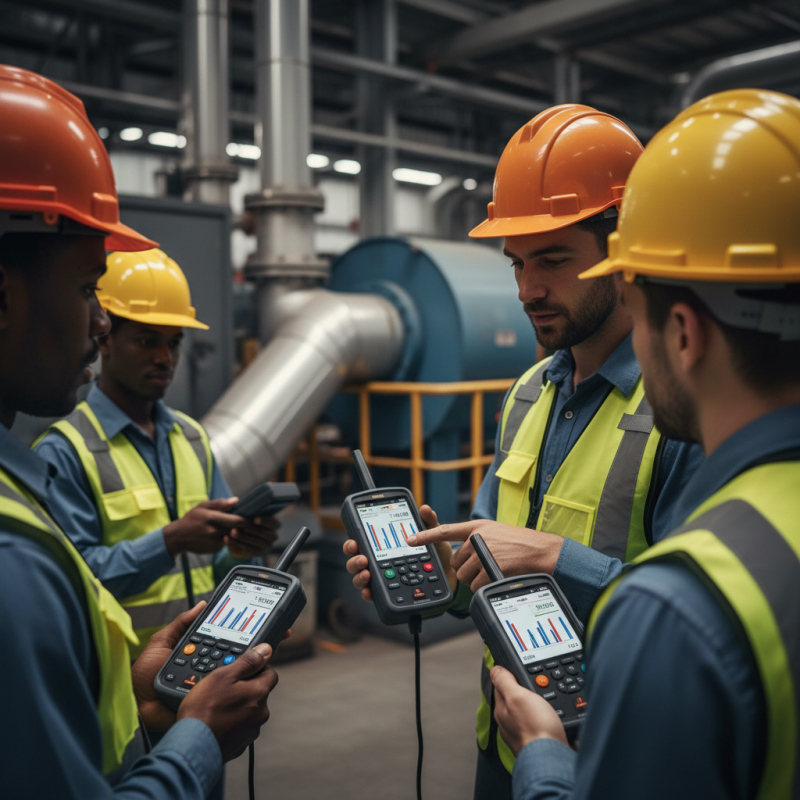
Overview of Handheld Gas Monitors and Their Importance
Handheld gas monitors play a crucial role in ensuring safety in various environments. They detect hazardous gas levels quickly, providing immediate alerts to users. This capability is vital for workers in industries such as construction, oil and gas, and wastewater treatment. In these settings, exposure to toxic gases can pose serious health risks. These monitors can be life-saving tools when used correctly.
The importance of handheld gas monitors cannot be overstated. Their lightweight and portable design allows for ease of use in confined spaces. Regular calibration and maintenance are necessary for accurate results. Users should be trained to recognize warning signs of malfunction. Moreover, understanding the limitations of these devices is essential. They do not replace proper safety protocols or ventilation systems.
Monitoring gas levels is not just about having the latest technology. Individuals need to actively engage with their environment. Many workers might neglect continuous checks, leading to dangerous situations. Awareness and education about the equipment’s capabilities will enhance overall safety. Consideration of psychological factors, like complacency, is also necessary. Regular training sessions can keep safety practices fresh in the minds of users.
Top 10 Handheld Gas Monitors for Safe Detection Today
| Model | Detection Range | Gas Types | Battery Life | Weight | Features |
| Model A | 0-100% LEL | Methane, Propane | 12 hours | 1.5 lbs | OLED Display, IP67 |
| Model B | 0-5000 ppm | CO, H2S | 10 hours | 2.0 lbs | Bluetooth Sync, Data Logging |
| Model C | 0-30% O2 | Oxygen | 15 hours | 1.8 lbs | Rechargeable, Alarm System |
| Model D | 0-1000 ppm | Ammonia, Chlorine | 8 hours | 1.2 lbs | Compact, Instant Readout |
| Model E | 0-2000 ppm | Sulfur Dioxide | 9 hours | 1.3 lbs | Hydrophobic Filter, User-Friendly Interface |
| Model F | 0-500 ppm | Hydrogen | 14 hours | 1.4 lbs | Real-Time Monitoring, Vibration Alerts |
| Model G | 0-10% LEL | Gasoline Vapors | 11 hours | 1.6 lbs | USB Charging, Multi-Language Support |
| Model H | 0-50% LEL | Natural Gas | 10 hours | 2.1 lbs | Touch Screen, Easy Calibration |
| Model I | 0-100 ppm | Nitrogen Dioxide | 12 hours | 1.9 lbs | Pressure-Resistant, Data Exporting |
| Model J | 0-1500 ppm | Phosgene | 10 hours | 1.7 lbs | Automatic Test Function, Lightweight |
Criteria for Selecting the Best Handheld Gas Monitors
When selecting the best handheld gas monitors, consider various criteria to ensure safety. The most critical factor is sensitivity. Monitors should detect gases at low concentrations. According to industry data, effective gas monitors can detect levels as low as 1 ppm (parts per million) for some hazardous gases. This sensitivity is vital in environments where exposure, even at low levels, could pose health risks.
Another key criterion is response time. Fast detection ensures users are alerted promptly. Research indicates that monitors with a response time of under 10 seconds are ideal for emergency situations. Additionally, monitor durability cannot be overlooked. Devices should withstand harsh conditions and be water-resistant. Reports show that monitors with an IP rating of at least 65 are reliable in tough environments.
Battery life is also important. A lengthy battery life enhances usability, especially in remote locations. Additionally, the user interface should be intuitive. Clear display and easy navigation are crucial for effective operation. Users need to access readings quickly. Metrics indicate that monitors with user-friendly designs reduce the risk of operational errors. In this field, the balance between technology and usability is essential for effective monitoring.
Top Features to Look for in Handheld Gas Monitors
When choosing a handheld gas monitor, certain features are crucial for effective detection. Sensitivity is pivotal. A high sensitivity allows for the detection of lower concentrations of gases, ensuring safety in various environments. According to industry standards, a sensor response time under 15 seconds is ideal. Quick responses can prevent hazardous situations.
Durability is another key aspect. Look for devices with rugged designs that can withstand harsh conditions. Many professionals recommend monitors with IP ratings of 65 or higher to ensure resistance to dust and water. Additionally, battery life is essential. A reliable monitor should have 12 to 24 hours of continuous operation, allowing for long work shifts.
Calibration is a process that cannot be overlooked. Regular calibration ensures accuracy. Some reports suggest that up to 20% of gas monitors may provide inaccurate readings if not calibrated frequently. Users often overlook this, leading to false security. Ensuring calibration history is documented enhances the monitor's reliability. This attention to detail can be the difference between safety and disaster.
Top 10 Handheld Gas Monitors - Detection Features Comparison
This bar chart compares key features of top handheld gas monitors, focusing on sensitivity, response time, battery life, weight, and temperature range, ensuring safe gas detection.
Review of the Top 10 Handheld Gas Monitors Available Today
In today's world, portable gas detectors are vital for safety in various environments. Workers in industries such as construction, oil and gas, and confined spaces must prioritize air quality. Handheld gas monitors are essential tools for detecting hazardous gases, ensuring worker safety. Many models are available, each designed for specific needs, providing real-time readings and alerts.
Some devices are compact and easy to carry. They often come equipped with features like multi-gas detection and data logging capabilities. Accuracy is key. However, even the best monitors can have limitations. Factors such as temperature, humidity, and sensor age can affect performance. Users must regularly calibrate their devices. Neglecting calibration may lead to serious mistakes.
Outstanding features often include bright screens and intuitive interfaces. This can aid in quick decision-making. However, the balance between features and ease of use is important. Not all monitors are straightforward. Some require in-depth training to operate effectively. The best choices cater to both novice users and seasoned professionals, but often the complexity can deter new users. Always consider the environment and specific gas hazards when selecting a monitor.
Safety Tips for Using Handheld Gas Monitors Effectively
When using handheld gas monitors, proper techniques enhance safety significantly. Familiarize yourself with the device by reviewing the user manual thoroughly. Regular calibration is essential. A study revealed that 30% of gas monitor failures stem from inadequate calibration practices. This data highlights the need for routine checks to ensure accuracy.
Training is crucial for effective operation. Many incidents arise from a lack of knowledge. Only 45% of workers reported receiving proper training on gas detection equipment. Visual inspection of monitors before use can identify issues like low battery or sensor damage. Ensure the monitor is fully functional to avoid false readings.
Awareness of environmental factors is vital. High humidity or extreme temperatures can affect sensor performance. Be mindful of the specific conditions in your work area. Inadequate awareness leads to unexpected hazards. Review your safety protocols regularly. Continuous improvement can minimize risks associated with gas exposure.