Explore cutting-edge articles on laboratory products, industry innovations, and research trends with Lab Consulting.
I can write the introduction, but no source article or verified Fiber Disc industry expert quotation was provided. Please share an expert’s name and an exact quote, or allow me to write the introduction without a named quotation.
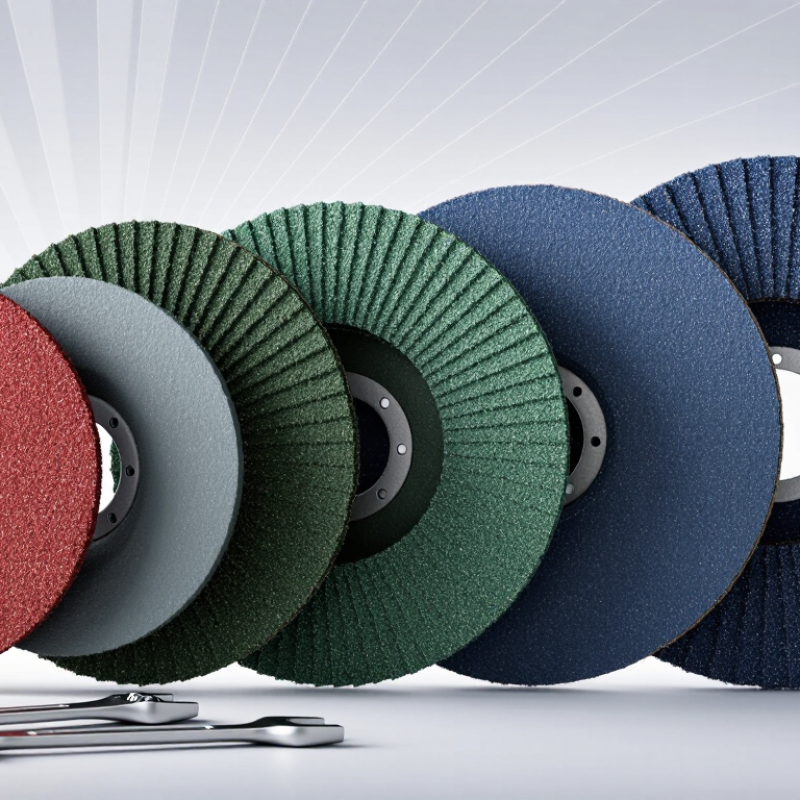
A fiber disc is a coated abrasive built for use with a compatible backing pad on an angle grinder. Its main parts are a stiff fiber backing, abrasive grains, and a bonding resin. The backing gives the disc shape and support. The grains do the cutting. The resin holds them in place as the disc moves across metal or other suitable work surfaces. Simple, but not quite.
During manufacture, resin is applied to the backing, abrasive grains are distributed across it, and further resin helps secure the coating. The center hole allows the disc to mount on the tool’s backing pad. Grain type and size affect how aggressively the disc removes material and the finish it leaves. Some discs also have coatings intended to reduce loading, though performance depends on the material and working conditions. That matters.
In practice, a disc’s construction is only part of the choice. Check that its diameter, speed rating, and mounting arrangement match the tool and pad. Use steady pressure; excessive force can wear the grains unevenly and create extra heat. Inspect the backing and abrasive face before use, and replace a disc that is damaged. Specifications vary, so the product label is more reliable than appearance alone. A small detail, easily missed.
In 2026, fiber-disc performance still depends heavily on grain type, pressure, and the workpiece. Aluminum oxide remains a versatile choice for general steel grinding and routine deburring. It cuts reliably, though it may dull sooner during aggressive work on hard alloys. Zirconia alumina is better suited to heavier stock removal. Its grains can fracture under pressure and expose fresh cutting edges. That matters on welds. Ceramic alumina offers high cut rates in demanding applications, but needs sufficient pressure to work effectively.
Silicon carbide has sharper, more brittle grains. It is often selected for nonferrous metals, stone, and some composites, where a clean cut matters more than long life on tough steel. There is no universal winner. On a thin stainless-steel panel, excess pressure can cause heat discoloration, even with a suitable grain. That detail is easy to miss. Operators should test a small area and check the disc’s condition during use.
The distinction is supported by established classification practice. ISO 6344 defines grit-size testing and designation for coated abrasives; it does not rank grain types by job performance. Grand View Research’s 2024 abrasives market report estimated the global market at USD 48.3 billion in 2023, with projected annual growth of 5.2% from 2024 to 2030. This broad market figure covers abrasives beyond fiber discs, so it should not be read as a disc-specific forecast. Grain choice still needs shop-floor verification.
Ceramic, zirconia, and aluminum oxide fiber discs differ in how they handle pressure, heat, and abrasive wear. Ceramic grains fracture in controlled ways, exposing fresh cutting edges during demanding work. They suit heavy stock removal on tough metals, especially when the operator can maintain steady pressure. They often cost more, and light pressure may not let them work as intended. Not every job needs ceramic.
Zirconia discs are durable and perform well on steel and stainless steel during medium-to-heavy grinding. Their grains renew as they wear, though results depend on pressure and the material’s heat sensitivity. Aluminum oxide is a practical, economical choice for general work on wood and common metals. It can wear faster on hard alloys, but may be entirely adequate for occasional use. That matters. In a workshop, the right choice also depends on the finish required, grinder speed, and backing pad. Test a small area, keep the disc flat, and avoid forcing it into an edge. A dull disc, excess heat, or uneven pressure can spoil the surface regardless of grain type.
| Abrasive Type | Typical Strengths | Best-Suited Materials and Tasks | Cutting and Wear Characteristics | Relative Cost | Practical Selection Notes |
|---|---|---|---|---|---|
| Ceramic alumina | High cutting performance and strong durability under demanding conditions. | Stainless steel, heat-resistant alloys, and other hard metals; heavy grinding and sustained material removal. | Engineered ceramic grains can fracture to expose fresh cutting edges. They are often effective under higher pressure, though performance depends on the disc construction, workpiece, and operating conditions. | Usually higher | A good option for intensive production work. Use suitable pressure and avoid overheating the workpiece; excessive pressure is not automatically beneficial. |
| Zirconia alumina | Tough abrasive grains suited to stock removal and demanding grinding. | Carbon steel and stainless steel; weld removal, edge work, and general heavy grinding. | Typically performs well under moderate to high pressure. The grains wear gradually and can expose new cutting points as they fracture. | Usually mid-range | Often a versatile choice for steel fabrication. Results vary by grit, disc design, pressure, and the specific metal being worked. |
| Aluminum oxide | Widely available and economical for routine grinding and finishing. | Carbon steel, iron, wood, and some nonferrous materials, depending on the application and disc specification. | Reliable for general-purpose work, but it may dull or wear faster than ceramic or zirconia abrasives during aggressive grinding on hard metals. | Usually lower | A practical choice for lighter-duty tasks, maintenance, and cost-sensitive work. Check that the product is specified for the material being ground. |
How to compare: No abrasive type is best for every job. Match the disc to the workpiece, required stock removal, finish, operating pressure, and budget. Fiber discs are commonly used with a compatible backing pad; always follow the disc and tool manufacturers’ instructions, including maximum RPM and guard requirements.
Match the disc mineral to the material, then consider pressure, finish, and heat. Aluminum oxide is a sensible general-purpose choice for mild steel and routine weld cleanup. Zirconia-alumina suits firm stock removal on carbon steel and stainless steel. On stainless, steady passes help limit blue heat marks; a loaded disc can still burn edges. Pressure matters. FEPA 42-1:2006 gives P80 abrasive grain a nominal size of 201 micrometres, a useful reference when balancing material removal and scratch depth. It does not guarantee a particular finish.
Silicon carbide cuts nonferrous metals, glass, and some stone effectively, but excessive force can break its grains quickly. For aluminum, an open-coated disc can reduce loading; clear packed swarf often, since buildup creates heat and scratches. Keep it cool. When grinding silica-bearing stone, control dust at the source. OSHA’s 2016 Respirable Crystalline Silica rule sets an eight-hour exposure limit of 50 micrograms per cubic metre. Use extraction and suitable respiratory protection based on the task. I would still test a small area first: coatings, alloy grades, and grinder speed can change the result.
Ceramic, zirconia alumina, and aluminum oxide remain common fiber-disc grain options. Ceramic grains suit demanding steel grinding and can cut aggressively with steady pressure. Zirconia alumina is a durable choice for weld blending and general metalwork. Aluminum oxide can work well for lighter jobs. The right option depends on the material, finish, and tool setup—not the year.
Match the grit to the task. Coarse grits remove welds quickly, while finer grits leave fewer deep scratches before finishing. Check that the disc diameter, arbor, backing pad, and rated speed match the grinder. If a disc feels slow, it may need less pressure, not more. Excess force can overheat the workpiece and wear the disc unevenly. A rushed setup makes these details easy to miss, so give them a second check. Inspect discs for cracks, moisture damage, or worn edges. Keep the grinder guard in place, hold the tool with both hands, and wear eye and hearing protection.
Subscribe to our newsletter and receive the latest news and exclusive insights every month. No spam.
LabConsulting GmbH and LC LabService GmbH are Austrian companies which cooperate with over 600 manufacturers and offers a selection of more than 180,000 products and various laboratory product and service solutions for our Labcustomers.
Die LabConsulting GmbH und die LC LabService GmbH sind österreichische Unternehmen, die mit über 600 global verteilten Herstellern zusammenarbeiten und mit einer Auswahl von mehr als 180.000 Produkten und verschiedenen Laborprodukt- und Servicelösungen unseren Parnern im Labor anbieten.
INSTOCK CATALOGOur services
Our services