Top 10 Low Speed Centrifuge Features Buyers Should Know?
In the world of laboratory equipment, understanding the features of a low speed centrifuge is crucial for effective research. Dr. Emily Chen, a leading expert in biomedical engineering, emphasizes, “Selecting the right centrifuge can significantly impact your results.” Her words resonate with many buyers seeking the best equipment.
Low speed centrifuges play a vital role in separating cellular components. They are designed for various applications, from clinical labs to research facilities. It’s essential to know specific features that can affect the overall performance and longevity of the equipment. Factors such as rotor compatibility, safety features, and ease of use can influence operational efficiency.
Moreover, buyers often overlook some critical details. For instance, the balance of the rotor can determine accuracy. Users may assume that all machines are similar, but that is misleading. Investing time into understanding these machines is necessary. It leads to better choices and outcomes in experiments. Knowledge is power, and in this case, it helps avoid common pitfalls.
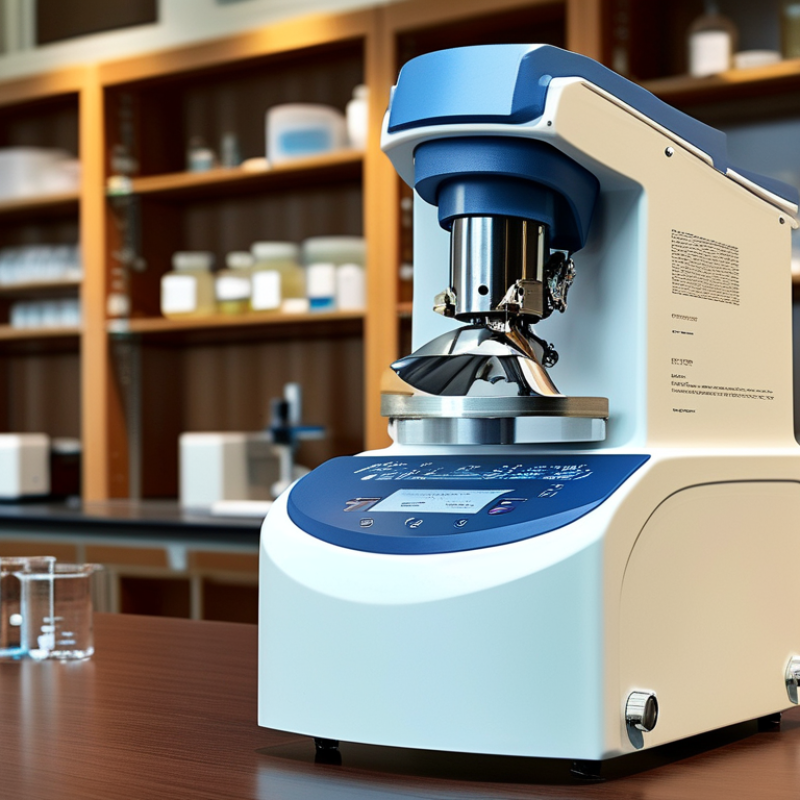
Key Specifications to Consider in Low Speed Centrifuges
When considering a low-speed centrifuge, the specifications you choose can significantly impact its performance. Speed range is critical. Most low-speed centrifuges operate between 1,000 and 5,000 RPM. This range is suitable for applications like cell separation and microbiology. Ensure the model meets your specific needs.
Another important feature is rotor capacity. Different rotors accommodate varying sample sizes. Some require smaller, fixed-angle rotors, while others utilize swinging-bucket designs. Consider the volume of samples you typically process. A model with a higher capacity can save time and improve efficiency.
Temperature control can also affect your results. Many low-speed centrifuges feature cooling systems to maintain sample integrity. This is especially vital for sensitive biological specimens. Research shows that maintaining appropriate temperatures can yield better results. Power consumption is an often-overlooked aspect. Energy-efficient models can reduce operational costs. However, balance efficiency with performance to avoid underpowered units. Be mindful of these specifications when selecting a low-speed centrifuge. They play a vital role in ensuring accurate and reliable results.
Essential Safety Features in Low Speed Centrifuge Models
When selecting a low-speed centrifuge, safety should be a top priority. Many models feature advanced protective measures that prevent accidents. According to the American Society for Clinical Laboratory Science, approximately 15% of laboratory accidents result from equipment failure. This highlights the need for robust safety features in centrifuges. Look for models that include automatic lid locking mechanisms. These can prevent accidental opening during operation, reducing the risk of injury.
Tip: Always ensure the centrifuge is properly balanced before operation. An unbalanced load can lead to equipment failure or accidents.
Another critical feature is the presence of overload protection systems. These systems automatically shut down the unit if it exceeds set limits. This helps to protect both the operator and the centrifuge itself. Regular maintenance checks are essential to keep these safety features functional. According to industry reports, 25% of centrifuge malfunctions arise from inadequate maintenance.
Tip: Keep a maintenance log. Documenting each service can prevent future issues.
In addition, consider models with vibration control technology. Excessive vibrations can lead to equipment wear and pose safety concerns. Research shows that about 30% of centrifuge-related incidents stem from vibrations. Investing in a model with good vibration control could mitigate these risks effectively.
Top 10 Low Speed Centrifuge Features Buyers Should Know
| Feature | Description | Importance |
| Speed Control | Allows precise adjustment of rotation speed. | Critical for sample integrity. |
| Safety Lid Lock | Prevents lid from opening during operation. | Essential for operator safety. |
| Automatic Imbalance Detection | Monitors sample placement for balance. | Protects equipment from damage. |
| Variable Speed Settings | Multiple speed options for different applications. | Versatility in processing samples. |
| Temperature Control | Maintains specific temperatures during centrifugation. | Critical for heat-sensitive samples. |
| Digital Display | Shows speed, time, and other crucial parameters. | Improves user interface and monitoring. |
| Programmable Settings | Allows users to save specific run profiles. | Increases efficiency for routine protocols. |
| Emergency Stop Button | Quick shutdown feature for safety. | Enhances operator safety. |
| Durable Build | Construction designed to withstand daily use. | Reduces maintenance costs over time. |
| Quiet Operation | Minimizes noise during operation. | Improves working environment. |
Maintenance and Durability Factors in Centrifuge Selection
When selecting a low-speed centrifuge, considering maintenance and durability is crucial. Centrifuges endure heavy usage, leading to wear and tear over time. Regular maintenance can prevent major issues. Check for parts that may need replacement. Keeping up with service schedules will extend the life of your equipment.
Tips: Establish a routine check-up plan. It can help identify minor problems before they escalate. Don't overlook seals and gaskets, as they are vital for maintaining the integrity of your samples.
Durability is largely influenced by build quality and materials. Make sure to choose a model made from robust materials. Pay attention to the manufacturer's guidelines on operation and storage. This can significantly reduce future maintenance needs and expenses.
Tips: Invest in training for users to ensure they operate the centrifuge correctly. Improper use can lead to unnecessary damage. Regularly assess the performance of your centrifuge to ensure it meets your needs.
Top 10 Low Speed Centrifuge Features Buyers Should Know
This chart illustrates the importance of various features considered by buyers in low-speed centrifuge selection, highlighting Maintenance and Durability Factors.
Compatibility with Sample Types and Applications
When considering low-speed centrifuges, compatibility with various sample types is crucial. Different applications require specific conditions. Biological samples like blood or tissue need gentle handling. A centrifuge incompatible with these can cause damage, affecting results. Understanding the types of samples you work with guides your choice.
Certain centrifuges excel with particular applications. For instance, cell cultures require precise speed settings. That safeguards cell integrity. On the other hand, research involving larger volumes might require robust, versatile equipment. It's essential to reflect on your lab's needs and potential future applications. Sometimes, miscalculating these needs leads to poor investment choices.
While many features appear attractive, not all are necessary. Buyers should prioritize essential characteristics. Evaluate the centrifuge's ability to work with various tube types and sizes. Inconsistent revolve speeds can result in uneven sample processing. Make a list of sample types you frequently handle. This ensures you select a model that aligns with your workflow and maximizes efficiency.
Energy Efficiency and Noise Level Considerations in Design
When selecting a low-speed centrifuge, energy efficiency and noise levels are critical factors. An energy-efficient design not only reduces operational costs but also minimizes environmental impact. Advanced motors and optimized speed settings can significantly lower energy consumption. Many buyers overlook this aspect. A high energy bill can negate savings from cheaper equipment.
Noise level is another essential consideration. Some centrifuges operate quietly, while others produce disruptive sounds. A well-designed centrifuge should minimize vibrations to enhance user comfort. Noise can be particularly important in laboratory settings, where concentration is crucial. Buyers may need to balance performance with sound output.
Choosing a low-speed centrifuge involves weighing these factors. It requires an understanding of specific needs. Many models come with various features that claim to enhance efficiency and quiet operation. However, not all fulfill these claims in practice. Buyers should conduct thorough research and seek real-world reviews. This approach helps in making a reliable choice.