

Explore cutting-edge articles on laboratory products, industry innovations, and research trends with Lab Consulting.
A Regenerative Thermal Oxidizer (RTO) treats certain industrial exhaust streams by using heat to break down volatile organic compounds and other combustible pollutants. Inside the unit, contaminated air passes through a ceramic heat-recovery bed before entering a combustion chamber. The treated gas then transfers much of its heat to another bed on the way out. This cycle can reduce fuel demand, though actual performance depends on the exhaust, operating conditions, and system design.
Picture warm ceramic media, a steady fan hum, and dampers shifting the airflow between chambers. These details matter. An RTO is not simply a burner with a heat exchanger; its performance also relies on flow balance, temperature control, and well-maintained seals. Small leaks or uneven flow can affect efficiency. Real facilities are rarely as tidy as diagrams suggest.
This introduction would benefit from a verified quotation from a named RTO specialist. No article or source was provided, so attributing a quote to a real person here would risk inventing evidence. That caution is part of understanding the technology, too: claims about energy savings, destruction efficiency, and emissions should be checked against documented operating data. The sections ahead explain how a Regenerative Thermal Oxidizer works, where it is used, and what operators should consider before selecting one.
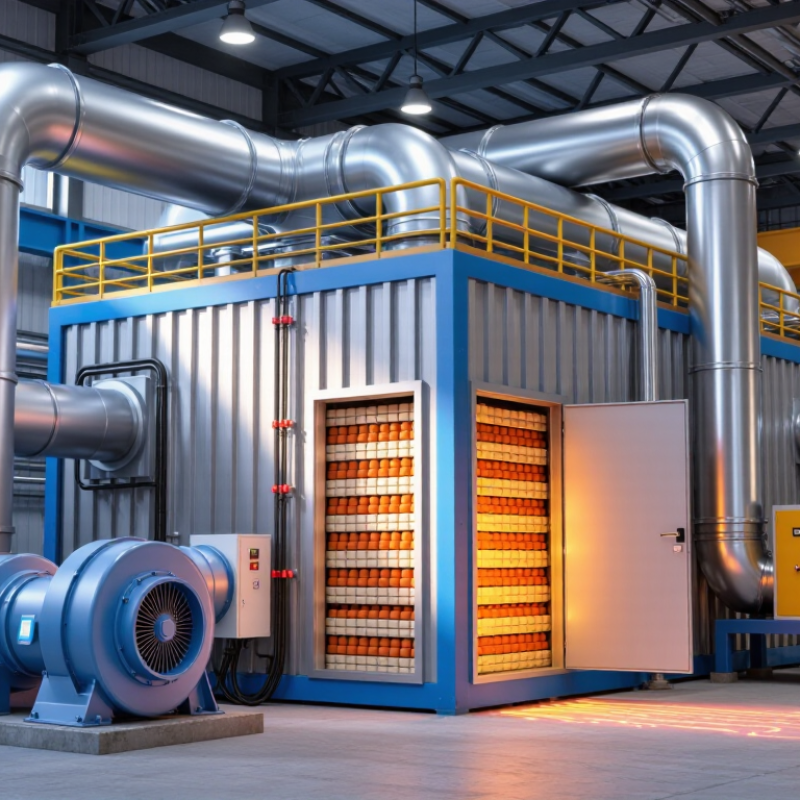
A regenerative thermal oxidizer, or RTO, is an industrial air-treatment system. It destroys many volatile organic compounds and other combustible pollutants in exhaust gas through high-temperature oxidation. The process converts these compounds mainly into carbon dioxide and water vapor. It is designed to reduce emissions, not to recover useful products.
Inside an RTO, exhaust passes through heat-storing ceramic media before reaching a combustion chamber. There, a controlled temperature and residence time support oxidation. Heated, cleaned gas then transfers much of its energy to another ceramic bed. Valves periodically reverse the flow, allowing the system to reuse heat. That can lower fuel demand, though actual performance depends on gas composition, concentration, flow rate, and operating conditions. The equipment is not a perfect fit for every exhaust stream; careful assessment matters.
Tips: Check inlet temperature, airflow, and pollutant levels before evaluating an RTO. Keep ceramic beds and valves in good condition. Small changes in exhaust composition can affect performance, so routine monitoring is useful. Don’t assume heat recovery alone guarantees low operating costs.
A regenerative thermal oxidizer uses heat to break down certain pollutants in industrial exhaust. Its parts work together to move gas, retain heat, and control operating conditions. The inlet duct carries exhaust into the unit, where switching valves direct it through a ceramic heat-exchange bed. The ceramic media has many narrow passages, giving it a large surface area. It absorbs heat from treated gas and transfers that heat to incoming exhaust.
Small details matter.
A combustion chamber sits above or between the beds. A burner raises the gas temperature when recovered heat alone is insufficient, supporting oxidation of targeted compounds. Temperature sensors and a control system monitor conditions and coordinate burner output and valve timing. After treatment, hot gas passes through another ceramic bed, warming the media before leaving through the outlet duct. Then the valves reverse the flow, allowing the beds to exchange roles.
A brief purge cycle can help clear untreated gas from a bed before it connects to the clean-gas side. Valve seals and ceramic surfaces deserve regular inspection; wear or fouling can reduce performance. In practice, balancing heat recovery, pressure drop, and reliable switching is not always neat, and operating data should guide adjustments.
What Is a Regenerative Thermal Oxidizer?
How the Heat Recovery and Oxidation Cycle Works
A regenerative thermal oxidizer treats exhaust containing volatile organic compounds by heating it in a controlled chamber. The gas first passes through ceramic heat-exchange media, which warms it before oxidation. In the combustion chamber, high temperatures break down many organic pollutants into carbon dioxide and water vapor. Exact operating conditions depend on the exhaust stream and system design.
The heat recovery cycle makes the process more efficient. Hot, treated gas leaves the chamber and transfers much of its heat to another ceramic bed. Valves then switch the airflow direction, sending incoming exhaust through the warmed bed. This cycle repeats, with stored heat helping reduce the fuel needed to maintain temperature. The switch is easy to overlook, but timing and valve condition matter. Low pollutant levels or cold starts may still require supplemental fuel.
Tips: Track inlet temperature, pressure drop, and valve operation during routine checks. A rising pressure drop can point to fouled media or other flow restrictions. Keep records of changing exhaust conditions, too; a system tuned for yesterday’s process may not perform as expected today.
What Is a Regenerative Thermal Oxidizer? Operating Conditions and Emission Control Performance
A regenerative thermal oxidizer destroys many volatile organic compounds by heating process exhaust in a combustion chamber. Ceramic media store heat from treated gas and transfer it to incoming exhaust. This heat recovery can reduce fuel demand, but only when airflow and operating conditions remain within the system’s design range. Temperature, residence time, and mixing all matter. A cold start, sudden flow increase, or uneven gas distribution can affect performance. Real plants are rarely perfectly steady.
Tips: Track inlet temperature, airflow, and chamber temperature together. Check sensor readings against routine inspections. A clean-looking display is not proof of reliable destruction.
Emission control performance depends on more than peak temperature. Operators should monitor changes in exhaust composition and maintain suitable operating conditions during production shifts. Excess moisture or particulate matter may affect equipment and readings, so site-specific checks are useful. Keep records of alarms, maintenance, and operating changes; these help explain performance trends. There is no single setting that fits every exhaust stream, and assumptions should be tested against measured data.
Illustrative operating points show how chamber temperature and VOC destruction efficiency may vary together. Actual performance depends on system design, gas composition, residence time, and operating conditions.
Regenerative thermal oxidizers are used to control volatile organic compounds in exhaust streams from processes such as paint coating, printing, and some chemical manufacturing. Inside the unit, hot ceramic beds capture heat from treated gas and transfer it to incoming exhaust. This heat recovery can reduce fuel demand compared with systems that discard most of their heat. The actual savings depend on the exhaust flow, pollutant concentration, and operating schedule.
Good operating decisions start with the process details. Exhaust flow and VOC levels can change during a shift, so operators should track both rather than rely on a single design estimate. Keep an eye on chamber temperature, pressure drop, and valve timing. Small changes matter. Dust, sticky aerosols, or condensed material can foul ceramic media and raise pressure drop. Some exhaust streams also contain compounds that may require added treatment or careful material selection; an RTO is not a universal answer.
Startup and shutdown deserve attention, too. A cold unit needs time and fuel to reach operating temperature, while frequent cycling may affect efficiency and equipment wear. Routine inspections can reveal leaks, damaged media, or switching valves that no longer seal well. Measurements are useful, but they do not explain everything. An unusual odor or a sudden change in pressure can be an early clue, though it should be checked against reliable process data.
Subscribe to our newsletter and receive the latest news and exclusive insights every month. No spam.
LabConsulting GmbH and LC LabService GmbH are Austrian companies which cooperate with over 600 manufacturers and offers a selection of more than 180,000 products and various laboratory product and service solutions for our Labcustomers.
Die LabConsulting GmbH und die LC LabService GmbH sind österreichische Unternehmen, die mit über 600 global verteilten Herstellern zusammenarbeiten und mit einer Auswahl von mehr als 180.000 Produkten und verschiedenen Laborprodukt- und Servicelösungen unseren Parnern im Labor anbieten.
INSTOCK CATALOGOur services
Our services