What is Refurbished Laboratory Equipment and How Does It Benefit You?
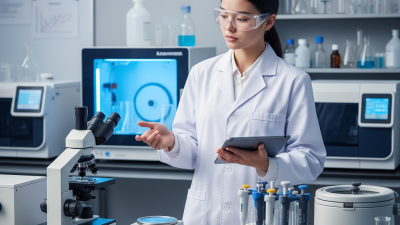
Refurbished laboratory equipment has become a crucial aspect of modern scientific research. Dr. Emily Hart, a respected expert in the field, states, “Using refurbished equipment allows labs to maintain quality while staying budget-friendly.” This highlights the dual benefits of affordability and effectiveness in laboratory settings.
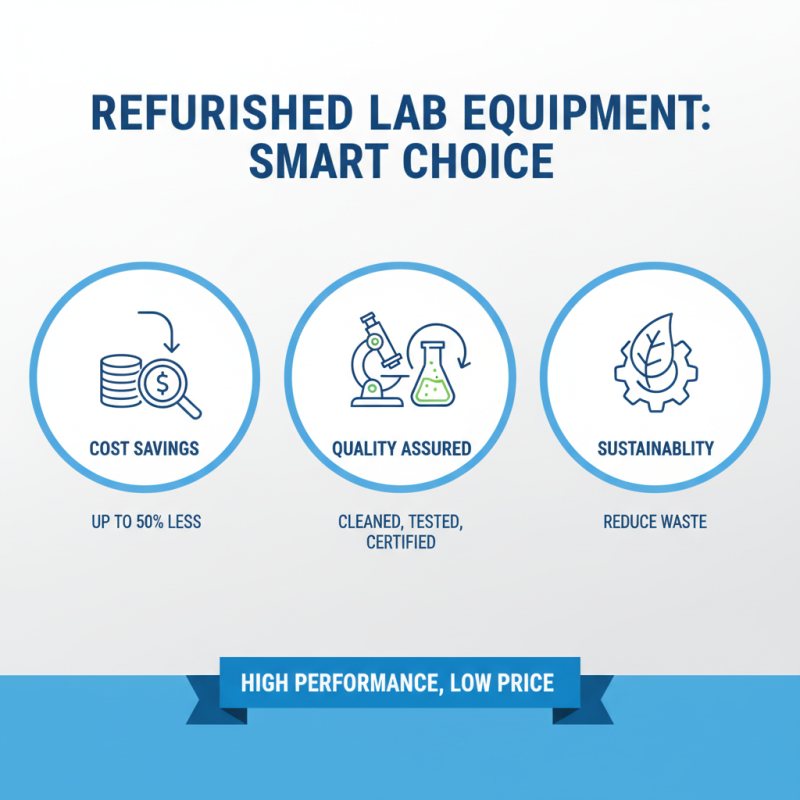
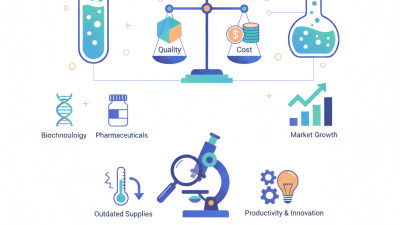
Purchasing refurbished laboratory equipment can save significant costs without sacrificing quality. Many labs face budget constraints and need reliable solutions. However, skepticism often arises about the performance of refurbished items. Understanding the refurbishing process can ease these concerns. Each piece is thoroughly tested and certified, ensuring it meets high standards.
Quality is key, but so is the awareness of limitations. Not every refurbished item is right for every lab. Some may lack the latest technology. Labs need to carefully assess their specific needs. In the end, choosing refurbished laboratory equipment can be a smart financial decision, provided that the selection process is handled with care.
What Does Refurbished Laboratory Equipment Mean?
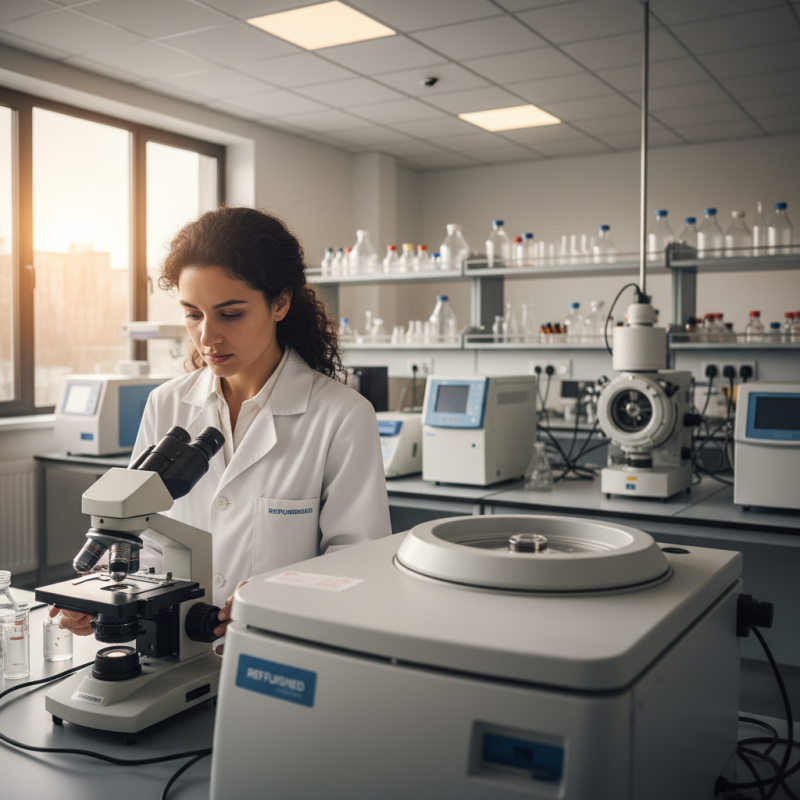
Refurbished laboratory equipment refers to used devices that have been restored to a working condition. This process often includes repairing, cleaning, and recalibrating the equipment. The goal is to make it function like new. Many laboratories opt for refurbished items to save costs. However, the quality of refurbishment can vary widely. Some suppliers do a thorough job, while others might cut corners.
The term "refurbished" suggests a second chance for these instruments. Chemical analyzers, microscopes, and centrifuges can all be refurbished. It’s crucial to check the certification and warranty before purchasing. Some refurbished items may have hidden issues. These potential risks require careful consideration. A lower price is tempting but can lead to unexpected problems.
Buying refurbished equipment can also support sustainability. It reduces waste and promotes the reuse of materials. However, the ethical sourcing of parts is a concern. Not all refurbished equipment is made from high-quality components. It’s essential to weigh these factors. Making an informed decision is vital to avoid future setbacks.
Key Differences Between Refurbished and New Laboratory Equipment
In the world of laboratory equipment, refurbished items are often misunderstood. Many believe refurbished means used or inferior. However, refurbished laboratory equipment can be nearly as good as new. These items are cleaned, repaired, and tested to meet high performance standards. The process can save significant costs. For budget-conscious labs, refurbished options provide quality without overspending.
There are key differences between refurbished and new equipment. New instruments come with the latest technology, ensuring optimal performance. They are usually accompanied by extensive warranties. Refurbished equipment, while not brand new, can still function at a high level. Customers might find slight cosmetic imperfections. However, their performance might match that of new models. It’s essential to assess the vendor’s refurbishment process.
Some labs hesitate to choose refurbished equipment due to concerns about reliability. They worry about potential risks and maintenance issues. It's worth considering that many refurbished items undergo rigorous testing. They may even come with warranties, offering peace of mind. Evaluating each piece’s specific history is vital. Many factors determine whether refurbished equipment is a sound investment. Balancing cost and quality requires careful thought.
Benefits of Using Refurbished Laboratory Equipment in Research
Refurbished laboratory equipment is a smart choice for many research facilities. Not only does it reduce costs, but it also helps in maintaining quality. Studies show that organizations can save up to 50% by opting for refurbished equipment. This is crucial when budgets are tight but research needs remain high.
Using refurbished equipment allows labs to access advanced technologies that they might otherwise afford. A report from Lab Manager indicated that more than 70% of labs reported significant efficiency improvements when using refurbished tools. These devices often undergo extensive testing and certification before being sold. This gives researchers confidence in their functionalities.
However, there are challenges with refurbished products. Quality can vary widely among sellers. Ensuring you get reliable equipment is essential. Some labs experience operational delays due to unexpected equipment failures. A thorough assessment and purchase from reputable sources can mitigate these risks. It’s vital for labs to weigh the initial savings against potential downtime. Balancing cost and reliability is key in maximizing the benefits of refurbished laboratory equipment.
What is Refurbished Laboratory Equipment and How Does It Benefit You?
| Equipment Type |
Original Price |
Refurbished Price |
Savings |
Warranty |
| Microscope |
$2,000 |
$1,200 |
40% |
1 Year |
| Centrifuge |
$4,500 |
$3,000 |
33% |
2 Years |
| Incubator |
$3,000 |
$1,800 |
40% |
1 Year |
| Water Purification System |
$5,000 |
$3,500 |
30% |
6 Months |
| Pipette |
$500 |
$350 |
30% |
1 Year |
How to Choose Quality Refurbished Laboratory Equipment
When selecting quality refurbished laboratory equipment, attention to detail is crucial. Look for suppliers who offer a warranty. Equipment that comes with a guarantee is often a sign of reliability. Inspect the refurbishment process they use. A comprehensive overhaul should address functionality and aesthetics. This ensures that the equipment meets your needs effectively.
Check for certifications from recognized bodies. These validation marks often highlight quality assurance. Ask for documentation regarding the equipment's history. Understanding past usage can provide insights into its current condition. It’s wise to inquire about the maintenance routines it underwent before sale. Sometimes, suppliers may skip this, and that’s a red flag.
Always compare prices before making a decision. Low prices can be tempting, but they may hint at potential issues. Research common problems associated with the type of equipment you're considering. This knowledge can guide your choice and help avoid pitfalls. Remember, refurbished doesn’t mean inferior, but it does require due diligence. Your lab’s efficiency depends on it.
Common Misconceptions About Refurbished Laboratory Equipment
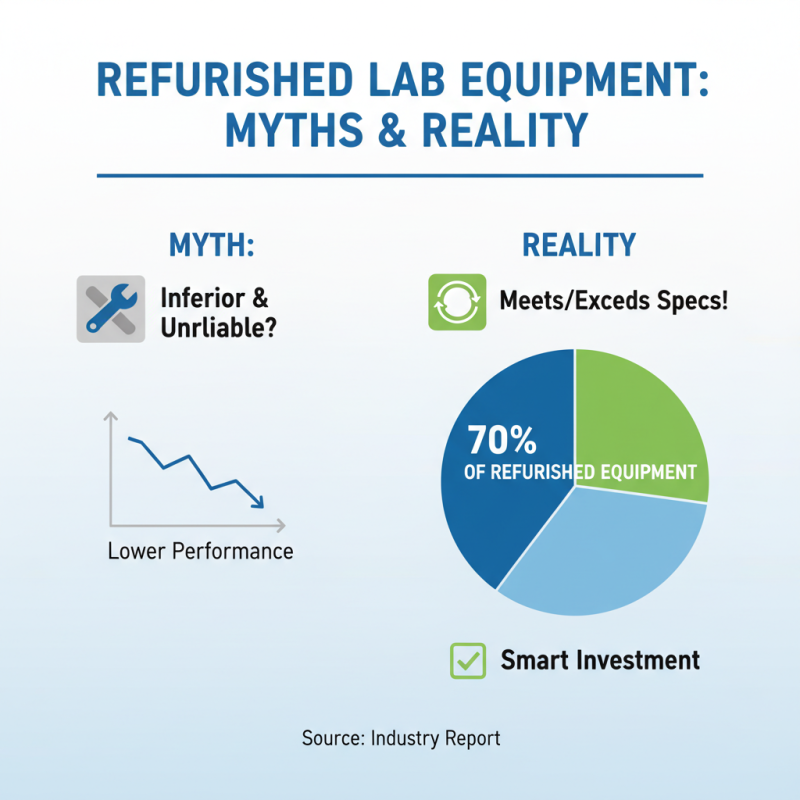
When discussing refurbished laboratory equipment, many misconceptions arise. Some believe that refurbished items are inferior and unreliable. However, according to a recent industry report, up to 70% of refurbished equipment meets or exceeds original manufacturer specifications. This statistic challenges the common belief that new is always better.
Another misconception is that refurbished equipment lacks support. In reality, many suppliers offer warranties and guarantees on refurbished items. A study by the Laboratory Equipment Manufacturers Association found that 60% of surveyed labs were satisfied with their refurbished purchases. They appreciated the reduced costs without sacrificing quality.
Some skeptics worry about the outdated technology in refurbished equipment. Surprisingly, many items are only a year or two old, having been returned due to changes in lab protocols or upgrades. This means buyers can access advanced technology at a fraction of the price. However, labs need to do their research and ensure they partner with reputable suppliers. Not all refurbished items are created equal, and due diligence is essential.