How to Optimize Lab Design for Better Efficiency and Safety?
In today's scientific landscape, the efficiency and safety of lab design are paramount. The global lab design market is projected to reach $8.3 billion by 2026, driven by increasing safety regulations and technological advancements. Effective lab design minimizes risks and maximizes productivity. “A well-designed lab is not just a space; it’s an environment that promotes innovation and safety,” says Dr. Emily Harper, a leading expert in lab architecture.
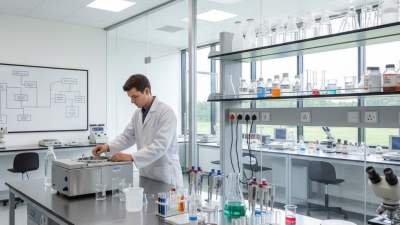
An optimized lab design incorporates ergonomic workspaces, advanced safety features, and flexible layouts. Reports indicate that poorly designed labs can lead to a 30% decrease in productivity. While many labs prioritize aesthetics, functionality must come first. Inefficient layouts can hinder workflow and increase the potential for accidents. Reflection on current practices reveals that many labs overlook essential aspects of safety, such as adequate ventilation and equipment spacing.
Holistic lab design considers both human factors and technological needs. As labs evolve, the focus must shift to creating sustainable and adaptive environments. Investing in thoughtful lab design not only ensures compliance but also fosters a culture of safety and efficiency. This ongoing challenge highlights the need for continuous improvement in lab practices, underscoring the significance of thoughtful lab design.
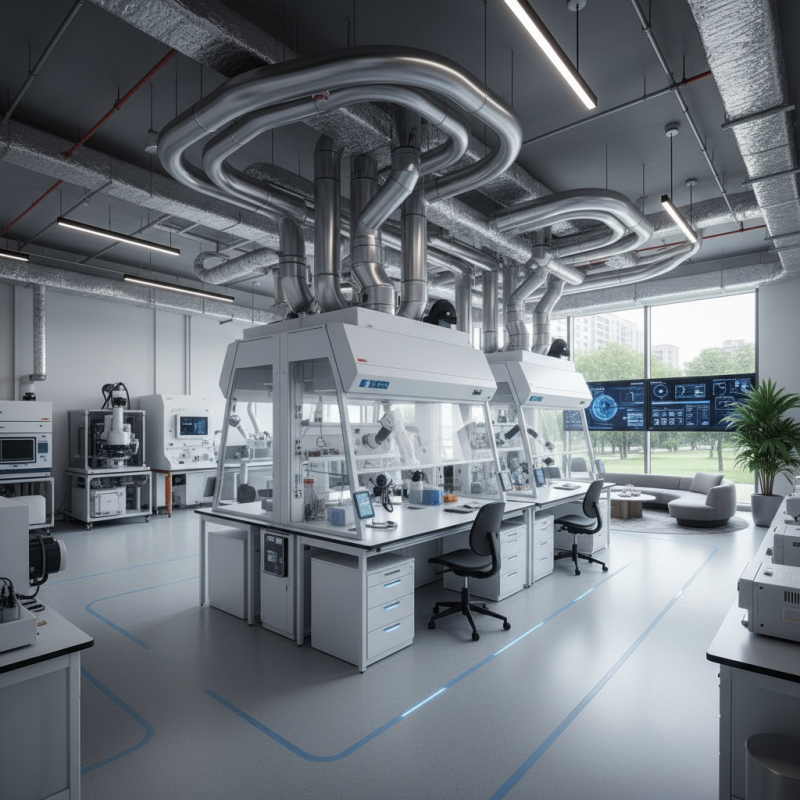
Assessing Current Lab Design for Potential Improvements
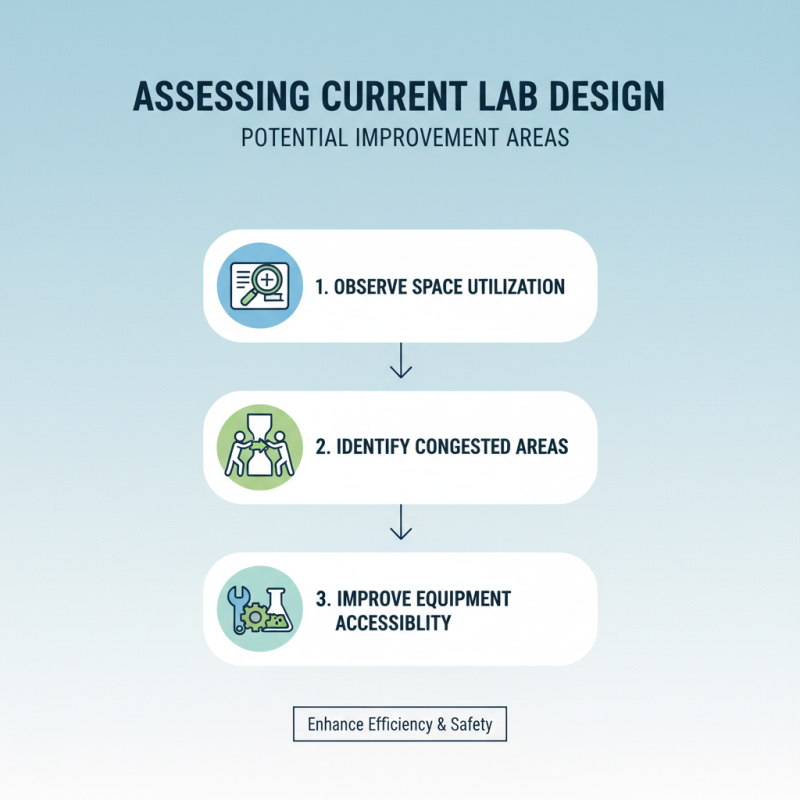
Assessing the current lab design is crucial for enhancing efficiency and safety. Start by observing how the space is utilized daily. Are there congested areas, or do employees struggle to access equipment? Identifying these pain points can reveal immediate opportunities for improvement.
Consider the flow of materials and personnel within the lab. If pathways are unclear, it can lead to accidents. Evaluate whether existing workstations are ergonomically designed. Poorly placed equipment can cause strain and reduce productivity. Small adjustments, like repositioning tools, can significantly enhance workflow.
Incorporate feedback from lab personnel. Their insights are invaluable in pinpointing shortcomings. Regular discussions can uncover persistent issues that may go unnoticed. Reflect on these findings regularly to adapt and evolve the lab design. Continuous improvement is key to maintaining a safe and efficient work environment.
Identifying Key Safety Protocols in Lab Environments
In laboratory environments, safety protocols are crucial for protecting personnel and ensuring smooth operations. Research shows that over 39% of lab incidents result from improper safety practices. Identifying these key protocols can significantly enhance both efficiency and safety.
Keeping a well-stocked emergency kit is vital. It should include first aid supplies, fire extinguishers, and spill kits. Regularly inspecting and updating this kit can prevent delays in emergencies. Another critical element is clear labeling of hazards and chemicals. About 52% of lab workers report confusion regarding proper handling of substances, which can lead to accidents. Implementing comprehensive training programs can address this issue.
Tips: Regular training sessions should include scenario-based drills. This practical approach helps workers understand their roles in emergencies better. Ensuring that every employee knows the evacuation routes is another essential step. It might seem minor, but it can save lives in critical situations. Never underestimate the value of clear communication in maintaining lab safety.
Incorporating Ergonomic Principles in Lab Layout
Incorporating ergonomic principles into lab design significantly enhances efficiency and safety. Research indicates that a well-optimized workspace can boost productivity by up to 25%. Ergonomics focuses on creating a comfortable work environment that reduces strain and injury risk. For instance, adjustable workstations allow users to tailor their setup to individual needs. This flexibility is crucial in labs where tasks vary greatly.
The layout should promote easy access to tools and equipment. A systematic arrangement can prevent unnecessary movements, thereby lowering the chances of accidents. Studies show that poorly designed labs account for 30% of injuries related to repetitive strain. By incorporating ergonomic design, labs can mitigate these risks. Utilizing ergonomic chairs and mats can also reduce fatigue, maintaining alertness.
Moreover, it's essential to involve lab personnel in the design process. Their insights help identify comfort and usability issues. Many labs fail to gather feedback before layout changes. This oversight can lead to inefficiencies. Engaging users fosters a sense of ownership and responsibility, ultimately enhancing safety and productivity in the lab.
Utilizing Technology to Enhance Lab Workflow Efficiency
In today's fast-paced laboratory environment, technology plays a crucial role in enhancing workflow efficiency. By integrating automation tools, labs can reduce repetitive tasks.
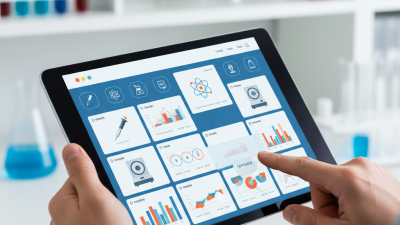
This not only saves time but also minimizes human error. For instance, using robotic systems for sample processing can free up researchers to focus on analysis and interpretation. Data management software also improves information accessibility. Researchers can share data quickly and streamline communication.
However, it's essential to reflect on the challenges that technology can bring.
Training staff to use new systems requires time and resources. Some team members might resist change, leading to a temporary drop in productivity. Additionally, over-reliance on technology can create vulnerabilities. If systems fail, it can halt critical lab processes.
Balancing technology with human oversight will enhance operational effectiveness while maintaining safety.
Lastly, considering user experience when designing lab workflows is vital. Tools need to be intuitive. Cluttered interfaces can hinder efficiency, causing frustration. Labs should regularly assess their technology's impact on productivity. Continuous improvement is key to optimizing lab design for efficiency and safety.
Implementing Regular Training and Safety Drills in Labs
Regular training and safety drills are essential for maintaining a high standard of efficiency in laboratory environments. These sessions build a consistent understanding of safety protocols among all staff members. Hands-on practice is crucial. Simulating real-life scenarios helps lab workers react effectively to emergencies. This proactive approach can significantly reduce the risk of accidents.
Every lab has unique challenges. For instance, the layout may limit quick escape routes during a fire drill. This limitation can cause confusion and increase panic among staff. Regular training sessions can identify such drawbacks. They encourage open discussions about potential hazards in the space. Feedback from these drills can highlight areas that need improvement, such as outdated equipment or unclear safety signage.
Revisiting safety drills regularly keeps safety at the forefront of everyone's mind. However, relying solely on drills may lead to complacency. It's essential to mix training types and include workshops on new safety techniques or equipment. This variation keeps the training relevant and engaging. Not all staff members absorb information in the same way, so addressing different learning styles is vital for effective training.
How to Optimize Lab Design for Better Efficiency and Safety? - Implementing Regular Training and Safety Drills in Labs
| Dimension |
Description |
Frequency |
Assessment Method |
| Safety Equipment Training |
Training on the proper use of personal protective equipment (PPE) |
Every 6 months |
Quizzes and practical demonstrations |
| Fire Safety Drills |
Practicing evacuation protocols in case of fire |
Quarterly |
Observation and feedback session |
| Chemical Safety Training |
Understanding material safety data sheets (MSDS) and chemical handling |
Annually |
Tests and group discussions |
| Equipment Operation Training |
Training on the proper use of lab equipment and machinery |
Biannually |
Hands-on assessments |
| Emergency Response Training |
Training for responding to medical emergencies |
Every year |
Mock drills and evaluations |