Top Laboratory Equipment Trends 2026 What Buyers Need to Know
The landscape of laboratory equipment is evolving rapidly. As we approach 2026, experts are predicting significant trends that will shape the industry. Dr. Emily Chen, a leading figure in laboratory technology, stated, "Innovation in laboratory equipment is the key to driving scientific discovery." This sentiment highlights the importance of staying informed about upcoming changes in the sector.
Buyers must understand the trends affecting laboratory equipment. New technologies like automation and smart devices are becoming integral to lab operations. They improve efficiency and accuracy in research settings. However, the influx of options can overwhelm decision-makers. It's crucial to prioritize needs and assess the reliability of vendors.
Moreover, sustainability is emerging as a central theme. Environmental considerations are influencing equipment design and procurement. Labs are now exploring eco-friendly materials, which can pose challenges during transition phases. Balancing performance with sustainability requires careful consideration but ultimately benefits both research and the planet.
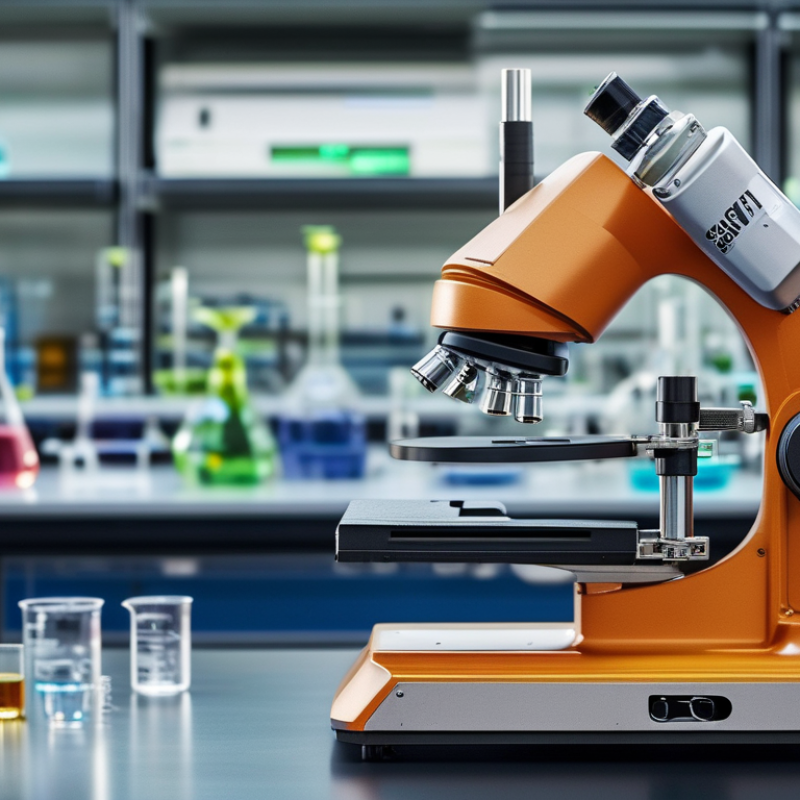
Emerging Technologies Shaping Laboratory Equipment in 2026
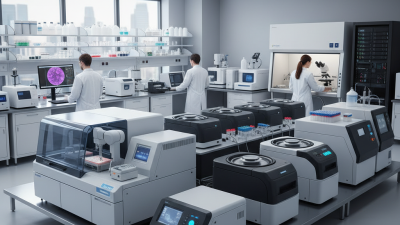
Emerging technologies are transforming laboratory equipment. In 2026, advanced automation is a major trend.
Robots will handle repetitive tasks with precision. This shift allows scientists to focus on analysis, fostering
creativity in research. However, high initial costs may pose challenges for smaller labs.
Artificial intelligence is another significant player. AI can analyze vast amounts of data swiftly. It identifies
patterns that humans might miss. Yet, dependence on AI raises concerns about data privacy. Researchers must
navigate these issues carefully.
Sustainability in lab equipment is gaining traction too. Green technologies will reduce waste and energy
consumption. Labs are investing in eco-friendly materials. However, the transition can be slow, and not every
lab is ready. Embracing these changes demands commitment and patience from all stakeholders.
Key Factors Influencing Laboratory Equipment Purchases
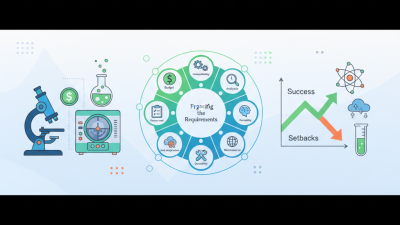
As laboratories prepare for evolving demands in 2026, several key factors will influence equipment purchases. According to a recent industry report, 62% of laboratory managers prioritize efficiency and automation when selecting equipment. This trend highlights the need for technology that streamlines operations and reduces manual workload. Labs are increasingly integrating automated systems to enhance productivity, particularly in high-throughput environments.
Cost-effectiveness remains a critical factor. Reports indicate that approximately 55% of lab decision-makers seek equipment with a better return on investment. This includes both initial costs and long-term maintenance expenses. Buyers are encouraged to evaluate the total cost of ownership, including energy consumption. Additionally, sustainability is driving choices; around 47% of labs are interested in eco-friendly equipment, aiming to reduce their carbon footprint. This reflects a growing awareness of environmental responsibility within the scientific community.
The dynamic nature of research also warrants flexibility. Laboratories must adapt to new regulations and fluctuating funding. About 40% of professionals expressed concerns over budget constraints impacting equipment choices. This uncertainty necessitates robust and versatile equipment that can accommodate diverse research needs without major financial risks. Analyzing these trends allows laboratories to make informed decisions that align with both immediate and long-term goals.
Sustainability Trends Impacting Lab Equipment Design and Usage
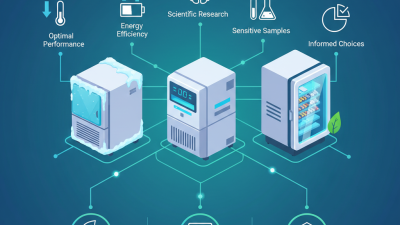
Laboratories are increasingly prioritizing sustainability in their equipment choices. This trend is reshaping how laboratories operate, highlighting the need for eco-friendly materials and energy-efficient technologies. Many researchers are now seeking equipment designed to minimize environmental impact. This not only helps the planet but can also reduce long-term operational costs.
Often, buyers may overlook these sustainable options due to initial cost concerns. Investing in greener equipment can lead to savings over time. It's essential to evaluate the lifecycle of lab equipment. Purchasing durable, energy-efficient models is often wiser than opting for cheaper alternatives that may need frequent replacement.
Consider the sourcing of materials when selecting lab equipment. Equipment made from recycled or sustainable materials often performs just as well as traditional options. Collaborating with suppliers who emphasize sustainability in their practices can lead to better lab operations. Remember, the choices labs make today could shape the scientific landscape tomorrow. Embracing sustainable trends can enhance not only lab efficiency but also the research community's commitment to a healthier planet.
Innovations in Safety Features for Laboratory Instruments
Laboratory safety is evolving rapidly, driven by new innovations. As we approach 2026, buyers need to focus on enhanced safety features in laboratory instruments. A recent report from the International Laboratory Equipment Association highlights a growing trend: 47% of labs prioritize safety innovations in purchasing decisions. This focus is not just a trend but a necessity for ensuring personnel protection.
Innovative features such as automatic shut-off systems, user-friendly interfaces, and real-time monitoring capabilities are becoming standard. These advancements help mitigate risks associated with hazardous materials. For instance, incorporating smart sensors can alert users to dangerous conditions. Such features can reduce accidents by an estimated 30%. Yet, despite these improvements, some laboratories still lag in updating outdated equipment. This gap raises concerns about the overall safety in the field.
Furthermore, regulatory bodies are increasingly emphasizing the importance of safety innovations. Compliance with the latest safety standards is critical. According to a report by the Safety Equipment Manufacturer's Association, non-compliance can lead to penalties that exceed $100,000. Laboratories must be proactive in integrating these innovations for both safety and compliance. However, there remains a need for ongoing training and education to maximize the effectiveness of these safety features. Buyers should consider not only the equipment but also the support systems in place to ensure a safer laboratory environment.
Market Outlook: The Future of Laboratory Equipment Procurement
As laboratory equipment trends evolve, buyers must stay informed about market dynamics. Understanding future needs can shape procurement strategies. In 2026, we anticipate a surge in automation and AI-driven solutions. These tools promise enhanced accuracy and efficiency, reducing human error.
The shift towards sustainability will mark a pivotal change. Buyers should consider eco-friendly products and energy-efficient systems. This not only meets compliance standards but also aligns with environmental goals. Affordability remains a critical factor. Organizations may hesitate to invest in advanced equipment without clear ROI.
Finally, a strong emphasis on interoperability will emerge. Laboratories require systems that communicate seamlessly. This reflects a need for integrated workflows. However, balancing cost and functionality can be challenging. Buyers need to evaluate trade-offs carefully. It's clear that informed decision-making will remain essential for successful laboratory procurement in the near future.
Top Laboratory Equipment Trends 2026: What Buyers Need to Know
| Trend |
Description |
Impact on Procurement |
Projected Growth Rate |
| Sustainability |
Increased demand for eco-friendly and energy-efficient laboratory equipment. |
Buyers will prioritize green certifications and energy savings. |
8% |
| Automation |
Adoption of robotic systems and automation tools for repetitive tasks. |
Higher initial investment but improved efficiency. |
10% |
| IoT Integration |
Use of Internet of Things technology to enhance monitoring and data collection. |
Buyers will seek equipment with connectivity features. |
12% |
| Personal Protective Equipment (PPE) |
Increased focus on safety and protective gear post-pandemic. |
Greater investment in PPE will be a priority for labs. |
7% |
| Digital Laboratories |
Digital transformation of laboratories, including cloud-based solutions. |
More efficient data management and collaboration will drive procurement decisions. |
15% |