



What is Lab Glassware and How is it Used in Scientific Research?
Lab glassware plays a crucial role in scientific research. According to Dr. Sarah Jensen, a distinguished chemist, "The precision of lab glassware can make or break an experiment." In laboratories around the world, researchers rely on various glass instruments to conduct experiments accurately.
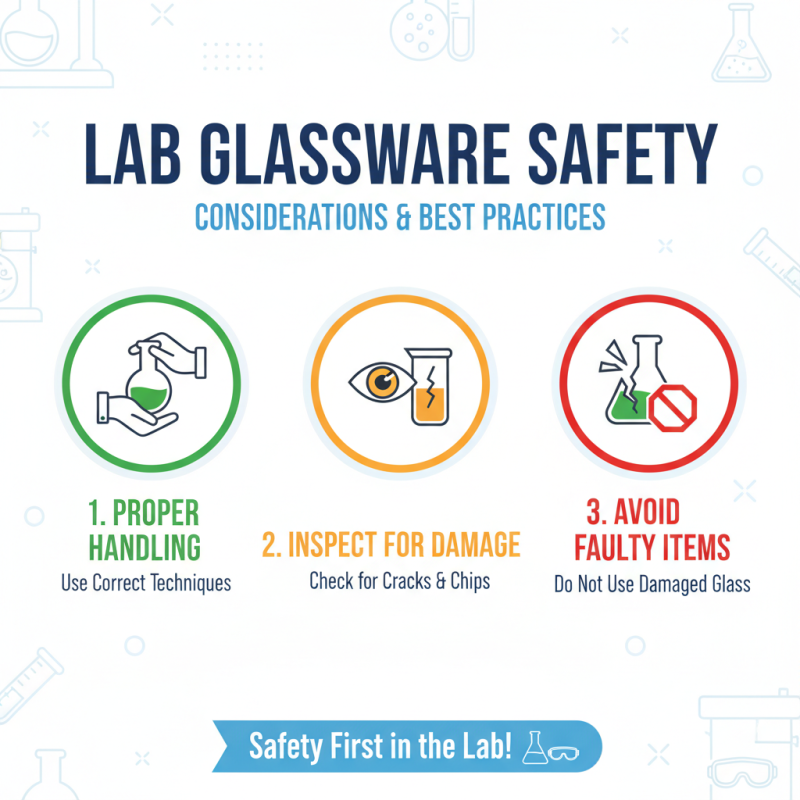
Each piece of lab glassware serves a unique purpose. Beakers, flasks, and test tubes are all essential for mixing and heating substances. These items are often made from borosilicate glass, which can withstand high temperatures. However, not all glassware is created equal. Some items may not be as durable, leading to potential accidents and setbacks.
Despite advancements in technology, the importance of understanding lab glassware remains high. Researchers must choose the right tools for their experiments carefully. They encounter challenges, such as contamination or incorrect measurements, which can affect results. As research evolves, lab glassware continues to be a foundational element, demanding both attention and respect in its use.
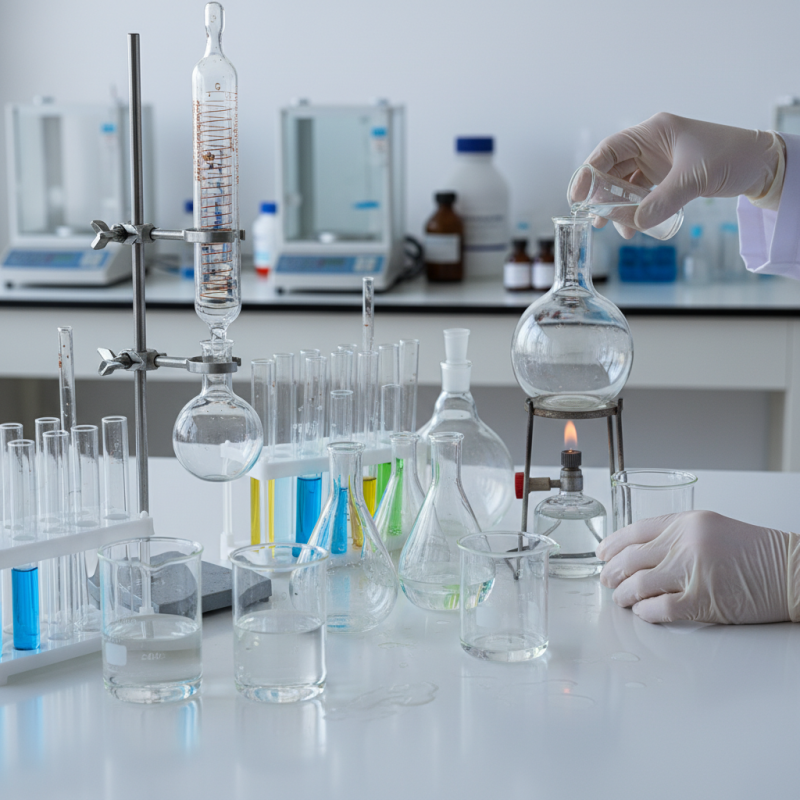
What is Lab Glassware? Understanding Its Definition and Functions
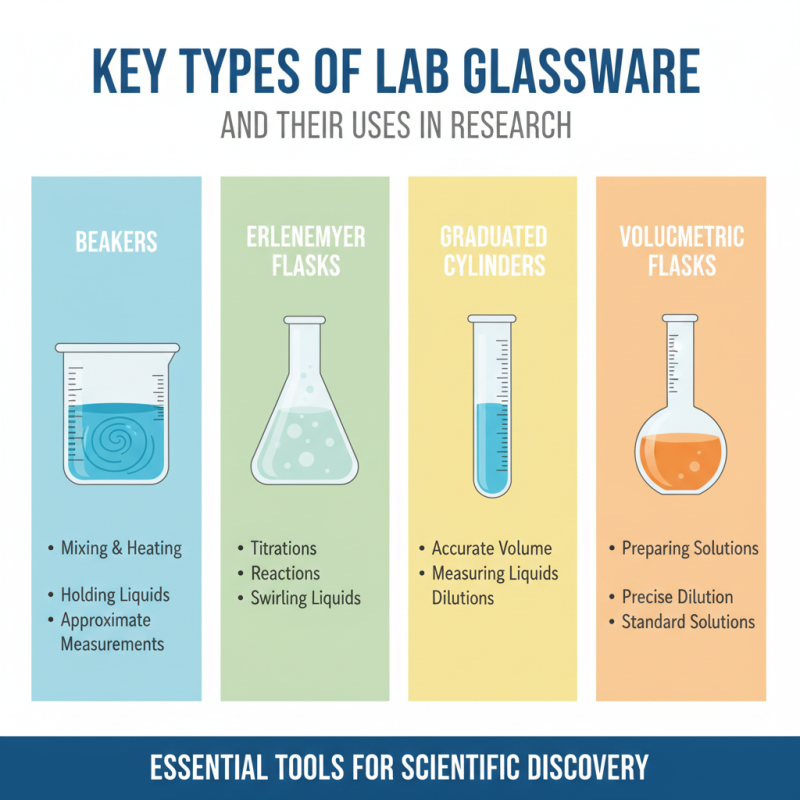
Lab glassware plays a crucial role in scientific research. It encompasses various vessels used for experimentation, measurement, and analysis. Common types include beakers, flasks, test tubes, and pipettes. Each type serves a specific purpose. For instance, beakers are typically used for mixing, while flasks are designed for reactions requiring venting.
An industry report indicated that the global lab glassware market will reach $7 billion by 2025. It highlights the increasing demand in pharmaceuticals and biotechnology sectors. These sectors rely heavily on precise measurements. Proper use of glassware ensures accurate results. Yet, many researchers still overlook meticulous cleaning protocols. Contaminated glassware can lead to erroneous data, hindering scientific progress.
Research shows that 30% of errors in labs result from poor glassware practices. Some scientists fail to recognize this issue. They might prioritize speed over accuracy, leading to flawed outcomes. It's essential to strike a balance between efficiency and attention to detail in laboratory settings. Lab glassware is foundational to successful experimentation, making it imperative to handle it properly.
What is Lab Glassware and How is it Used in Scientific Research?
| Type of Glassware | Common Uses | Material | Volume (mL) |
|---|---|---|---|
| Beaker | Mixing, Heating, Holding Samples | Borosilicate Glass | 50 - 2000 |
| Flask | Chemical Reactions, Storage | Borosilicate Glass | 100 - 5000 |
| Test Tube | Analyzing Reactions, Sample Storage | Borosilicate Glass | 10 - 50 |
| Graduated Cylinder | Measuring Liquid Volumes | Borosilicate Glass | 100 - 2000 |
| Pipette | Transferring Liquids, Precision Measurements | Glass or Plastic | 1 - 100 |
Related Posts
-

How to Choose the Right Lab Instruments for Your Scientific Research?
-

2026 Top Lab Supplies Trends for Researchers and Scientists?
-

How to Choose the Best Scientific Supplies for Your Experiments?
-
2026 Best Lab Bench Options for Every Type of Workspace?
-

Top 10 Laboratory Tools You Need to Know About?
-
How to Choose the Right Laboratory Tools for Your Experiments?
Newsletter
Subscribe to our newsletter and receive the latest news and exclusive insights every month. No spam.

LabConsulting GmbH and LC LabService GmbH are Austrian companies which cooperate with over 600 manufacturers and offers a selection of more than 180,000 products and various laboratory product and service solutions for our Labcustomers.
Die LabConsulting GmbH und die LC LabService GmbH sind österreichische Unternehmen, die mit über 600 global verteilten Herstellern zusammenarbeiten und mit einer Auswahl von mehr als 180.000 Produkten und verschiedenen Laborprodukt- und Servicelösungen unseren Parnern im Labor anbieten.
INSTOCK CATALOG


Our services
Our services

