



How to Choose the Best Incontinence Pad for Your Needs?
Choosing the right Incontinence Pad begins with understanding the person behind the symptom. Leakage varies by volume, timing, mobility, skin sensitivity, and health condition. The National Institute of Diabetes and Digestive and Kidney Diseases reports that urinary incontinence affects about one in two adult women at some point. The National Association for Continence also emphasizes that symptoms differ widely between individuals.
Fit matters. A pad should sit securely against the body without folding, pinching, or leaving gaps near the legs. Absorbency must match real use, not marketing language. A light pad may suit occasional coughing leaks, while a high-absorbency or overnight design may better support heavier leakage. Still, “maximum” does not always mean better. Extra material can feel bulky and increase heat.
Dr. Jill M. Rabin, a urogynecologist, has stated, “Incontinence is not a normal part of aging.” Her message supports a practical step: persistent leakage deserves professional assessment, not silent acceptance. A healthcare professional can help distinguish stress, urge, overflow, or mixed incontinence before product selection becomes guesswork.
Look for breathable materials, a soft top layer, reliable adhesive strips, and clear absorbency guidance. Change the Incontinence Pad when it feels wet, heavy, or uncomfortable. Check the skin daily, especially around the inner thighs. Redness is a warning, not a minor detail. There is no perfect pad for everyone. Personal testing may reveal an inconvenient truth: the most expensive option may not be the most comfortable or reliable.
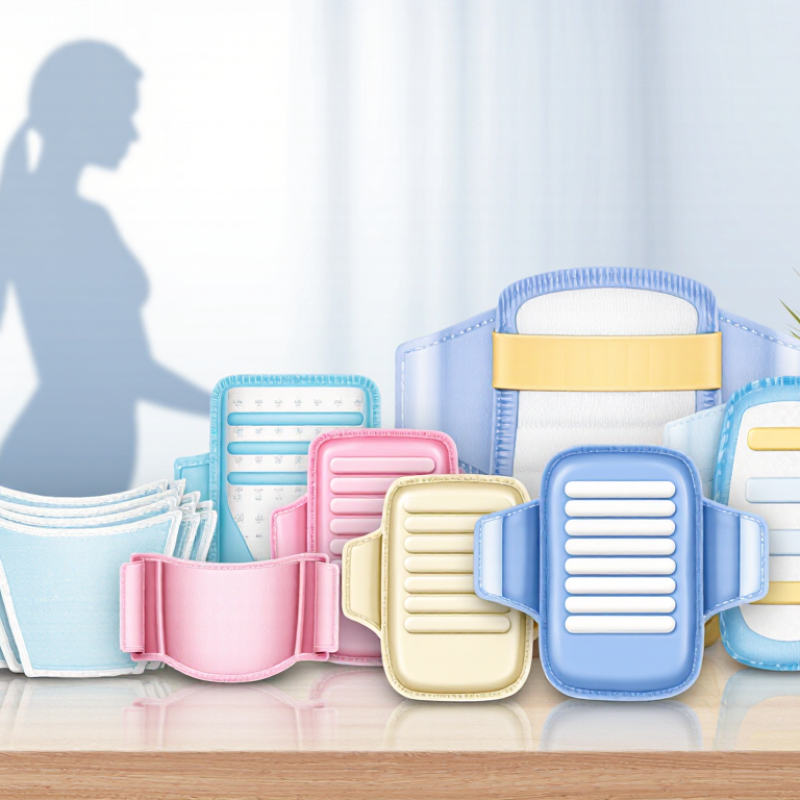
Understanding Incontinence Pads and Their Main Uses
How to Choose the Best Incontinence Pad for Your Needs?
Incontinence pads are designed to manage urine leakage, not replace medical care. They contain absorbent layers that pull moisture away from the skin. Their main uses include light bladder leaks, heavier episodes, travel, exercise, and overnight protection. The International Continence Society explains that incontinence varies by amount, timing, and cause. Therefore, one pad cannot suit everyone. NIDDK reports that urinary incontinence affects millions of adults, with risk increasing through age, pregnancy, illness, and certain treatments. The numbers feel distant until a small leak disrupts a commute.
Choose absorbency according to real leakage, not package size alone. A thin liner may suit occasional drops, while a contoured pad offers stronger protection during movement. Check the back adhesive, breathable surface, length, and fit around the legs. A loose pad can leak. A tight one may irritate. In practice, finding the right option often takes testing. That is inconvenient, but useful. Skin discomfort, strong odor, pain, blood, or sudden changes deserve medical advice. The NHS recommends seeking professional help when leakage affects daily life.
Tips: Keep a simple leakage diary for three days. Record timing, activity, fluid intake, and pad changes. Try one absorbency level at a time. Change the pad after significant wetness, even if it feels manageable. Wash gently, dry the skin carefully, and avoid heavily fragranced products. Comfort matters. Performance matters more.
| Pad Type or Selection Factor | Main Features | Suitable For | Key Benefits | Important Considerations |
|---|---|---|---|---|
| Light-Absorbency Liner | Thin, discreet design intended for small amounts of urine leakage. | Occasional dribbling, light stress leakage, or protection against minor dampness. | Comfortable, easy to carry, and less noticeable under clothing. | May not provide enough protection for moderate or heavy leakage. |
| Moderate-Absorbency Pad | Thicker absorbent core with a wider coverage area than a liner. | Regular daytime leakage or moderate bladder control problems. | Balances discretion, absorbency, and freedom of movement. | Choose a larger or more absorbent design if leakage occurs around the edges. |
| Maximum-Absorbency Pad | High-capacity core and broader coverage for heavier urine leakage. | Frequent or heavier leakage when a full brief is not required. | Provides greater absorbency and longer protection between changes. | It may feel bulkier; fit and secure placement are especially important. |
| Male-Shaped Pad | Contoured shape designed to fit the male anatomy, often with adhesive strips. | Men with light to moderate urinary leakage. | Can improve comfort and reduce movement when correctly positioned in close-fitting underwear. | It is intended for urine leakage and may not be suitable for bowel incontinence. |
| Shaped or Contoured Pad | Curved design that follows the body and may include elastic edges or a wider rear section. | People who need improved body conformity during standing, walking, or sitting. | Can help reduce gaps and improve stability compared with a flat pad. | A correct size is necessary; an oversized pad can bunch or shift. |
| Overnight Pad | Designed with increased coverage and absorbency for extended periods of use. | Night-time leakage or people who need additional protection while resting. | May support longer protection and help reduce overnight bedding changes. | Change the pad after waking, or sooner if it becomes wet or uncomfortable. |
| Adhesive Backing | Adhesive strip or strips help attach the pad to underwear. | People who prefer a pad that stays in a fixed position. | May reduce sliding and improve confidence during daily activities. | Use with close-fitting underwear; adhesive is generally not designed for direct skin contact. |
| Breathable Backing | Allows more air circulation than a fully impermeable plastic-style backing. | People who experience warmth, sweating, or discomfort during prolonged wear. | May improve comfort and help reduce moisture buildup around the skin. | Breathability does not replace regular changing and proper hygiene. |
| Odor-Control Layer | Absorbent materials help contain urine; some products also use odor-neutralizing components. | People concerned about odor during work, travel, or social activities. | Can improve confidence when used with timely changes and correct disposal. | Persistent strong odor may indicate a health issue and should be discussed with a healthcare professional. |
| Skin-Friendly Materials | Soft, non-abrasive topsheet and moisture-wicking absorbent layers. | People with sensitive skin or a higher risk of irritation. | Helps improve comfort and keeps some moisture away from the skin. | Stop using a product that causes rash or pain and seek medical advice if irritation continues. |
| Size and Fit | Coverage should match the body and the expected leakage pattern without excessive gaps. | Everyone, because fit affects comfort, protection, and leakage control. | A well-fitted pad is less likely to move, bunch, or leak around the edges. | Follow the product size guide and reassess the fit after changes in weight or mobility. |
| Change Routine | Replacement is based on wetness, odor, comfort, skin condition, and personal needs. | All users of absorbent pads. | Regular changes help maintain comfort, cleanliness, and skin protection. | Do not wait until the pad is completely saturated; wash and dry the skin gently after removal. |
| General Guidance | The best pad is the one that matches leakage volume, body shape, activity level, skin sensitivity, and the required wearing time. If leakage is sudden, painful, associated with blood or fever, or significantly changes, consult a healthcare professional. | |||
Newsletter
Subscribe to our newsletter and receive the latest news and exclusive insights every month. No spam.

LabConsulting GmbH and LC LabService GmbH are Austrian companies which cooperate with over 600 manufacturers and offers a selection of more than 180,000 products and various laboratory product and service solutions for our Labcustomers.
Die LabConsulting GmbH und die LC LabService GmbH sind österreichische Unternehmen, die mit über 600 global verteilten Herstellern zusammenarbeiten und mit einer Auswahl von mehr als 180.000 Produkten und verschiedenen Laborprodukt- und Servicelösungen unseren Parnern im Labor anbieten.
INSTOCK CATALOG


Our services
Our services

