Top Lab Supplies Every Scientist Should Have to Succeed?
In the world of science, having the right lab supplies is crucial. Every researcher knows that quality equipment can make a difference. It can influence results, enhance safety, and save time. Whether in biology, chemistry, or physics, certain supplies are indispensable.
Key lab supplies include pipettes, beakers, and safety goggles. Each item serves a specific purpose. For example, pipettes ensure precise measurement of liquids. Beakers allow for mixing and observing reactions. Safety goggles protect eyes from potential hazards. However, many scientists underestimate their importance.
Sometimes, a lab can feel cluttered or poorly equipped. This leads to frustration and inefficiency. It’s essential to reflect on what supplies are truly needed. Regular assessments can help identify gaps. Finding the right balance of lab supplies can promote success and innovation in scientific endeavors.
Essential Glassware for Laboratory Experiments
In any laboratory setting, essential glassware plays a vital role in the success of scientific experiments. Beakers, flasks, and test tubes are foundational items that every scientist needs. According to a recent report, 85% of laboratory experiments rely on proper glassware for accurate results. The precision in measurements and reactions can significantly impact findings. Quality glass materials reduce contamination risks, which is crucial in any research.
When selecting glassware, consider durability and resistance to chemical reactions. Pyrex glass, for instance, can withstand high temperatures and harsh chemicals. Be cautious; not all glassware is created equal. Using substandard materials can lead to errors in experiments. Always opt for glassware designed for your specific applications to ensure reliability and accuracy.
Tip: Regularly inspect your glassware for cracks or imperfections. Even minor damage can introduce variables in sensitive experiments. It’s also beneficial to label your glass items clearly. This helps avoid mix-ups during critical stages of research. Keeping an organized lab not only promotes efficiency but also minimizes potential errors. Remember, a well-equipped lab leads to greater scientific breakthroughs.
Top Lab Supplies Every Scientist Should Have to Succeed - Essential Glassware for Laboratory Experiments
| Item |
Type |
Volume |
Material |
Common Uses |
| Beaker |
Glassware |
1000 mL |
Borosilicate Glass |
Mixing, Heating, and Measuring |
| Graduated Cylinder |
Glassware |
500 mL |
Plastic |
Volume Measurement |
| Flask |
Glassware |
250 mL |
Borosilicate Glass |
Reactions and Heating |
| Petri Dish |
Dishware |
100 mm |
Polymer |
Cell Culture and Microbiology |
| Pipette |
Laboratory Tool |
10 mL |
Plastic |
Transferring Small Volumes |
Key Laboratory Instruments for Precision and Accuracy
In any laboratory, precision and accuracy are paramount. Essential instruments ensure reliable results. A high-quality balance is crucial for measuring mass. It provides the detailed weight necessary for experiments. For liquid measurements, using a precise micropipette is vital. It helps in accurately dispensing small volumes. These tools are foundational for producing trustworthy data.
However, equipment alone is not enough. Regular calibration is often overlooked but crucial for maintaining accuracy. Even the best tools can produce errors if not properly maintained. Researchers must remain vigilant. Temperature and environmental control also impact experimental outcomes. Ignoring these factors can lead to inconsistent results. Keeping a keen eye on them enhances reliability.
Additionally, safety equipment should not be forgotten. Personal protective gear is essential. Accidents can happen in any lab environment. Having the right safety tools can prevent injuries. Balancing precision in results with attention to safety is a challenge all scientists face. Overall, creating a successful laboratory demands constant reflection and adaptation.
Essential Lab Supplies for Scientific Success
Protective Gear: Ensuring Safety in the Lab Environment
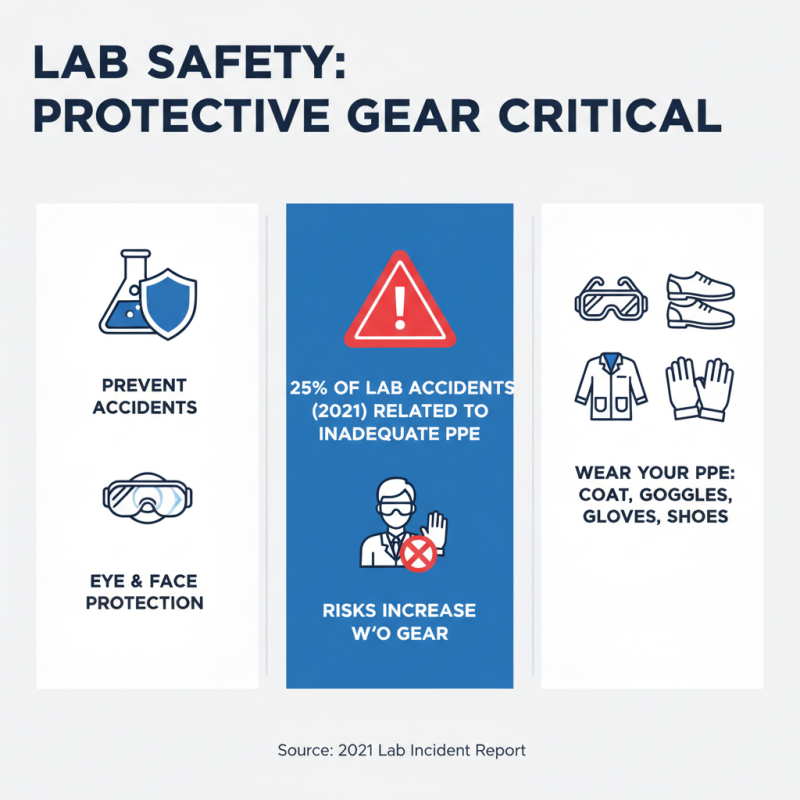
In the lab, safety is paramount. Protective gear plays a critical role in preventing accidents. In 2021, nearly 25% of lab accidents were related to inadequate personal protective equipment (PPE). Without proper gear, risks increase significantly.
Scientists must wear lab coats, gloves, and goggles. These items serve as barriers against spills and chemical exposure. A study showed that using PPE reduced injuries by 70%. Yet, many labs still overlook the basics. It’s alarming that compliance with protective gear guidelines hovers around 60%. This shortfall can lead to serious injuries.
Consider the importance of fit and comfort. Ill-fitting gloves can compromise dexterity. Moreover, research found that only 40% of scientists feel safe while working in labs. This statistic highlights a need for improved training and awareness around safety practices. Regular inspections and upgrades to safety protocols can further minimize risks and foster a culture of safety.
Vital Chemicals and Reagents for Scientific Research
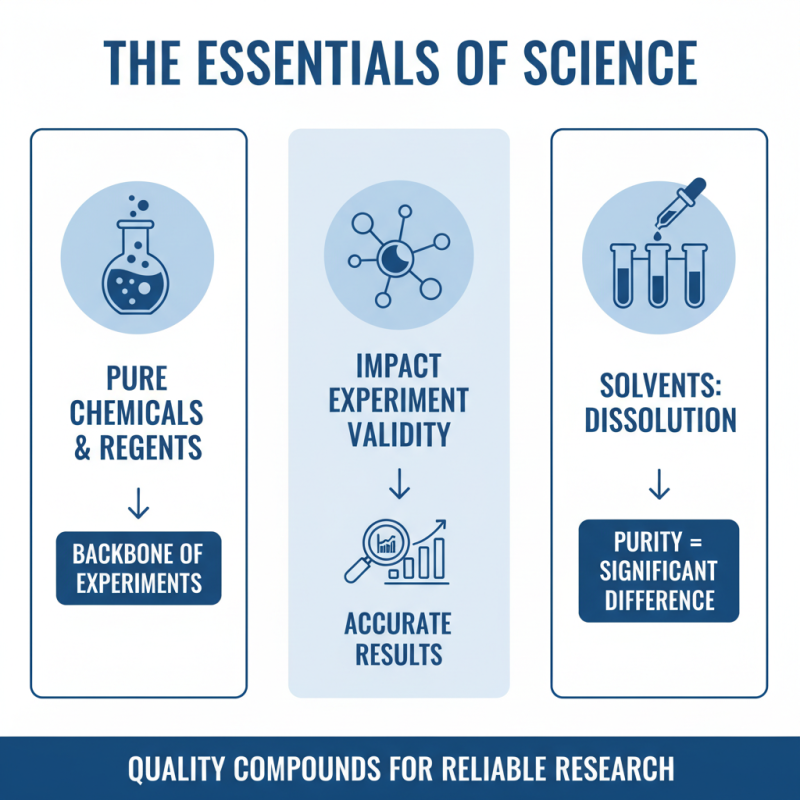
In scientific research, the right chemicals and reagents are crucial. They form the backbone of experiments. Each compound can yield different results, impacting the validity of findings. For example, solvents are essential for dissolving other substances. A pure solvent can make a significant difference in your experiments.
Reagents, such as catalysts and indicators, also play important roles. They can change how reactions occur. Choosing the right reagent is not always straightforward. Each decision can lead to unexpected outcomes. It’s important to test and review the results. Reflection helps improve future experiments. Sometimes, a small change in concentration can lead to a big difference.
Don’t forget about proper labeling and storage. Chemicals need to be organized and easily accessible. Mislabeling can cause confusion and errors. Always double-check before use. Maintaining a well-stocked lab is a continuous process. Regular audits of supplies can prevent running out of essential components. It helps ensure reliability in research endeavors.
Storage Solutions: Organizing Lab Supplies Effectively
Effective organization of lab supplies is crucial for scientists aiming for success. A well-organized lab can boost productivity significantly. Research indicates that disorganization can waste up to 30% of scientists’ time. Time spent looking for misplaced supplies directly affects research outcomes. A simple, yet effective storage solution is essential.
Clear labeling of equipment and reagents is one step toward improved organization. Many laboratories utilize transparent bins for visibility, allowing quick access to tools. Shelving units and drawer organizers can also help. Studies show that a clutter-free workspace can increase focus by 20%. It’s vital to regularly assess and declutter your supplies. Items that remain unused for months should be reconsidered.
Implementing a digital inventory can enhance management further. Tracking stock levels digitally prevents shortages and excesses. Around 40% of scientists have faced delays due to insufficient supplies. By investing time in setting up a systematic approach, they can minimize disruptions. Not all solutions are effective for every lab; flexibility is needed. Continuous evaluation of storage practices will reveal what works best.