BlogsBlogs

Explore cutting-edge articles on laboratory products, industry innovations, and research trends with Lab Consulting.

Explore cutting-edge articles on laboratory products, industry innovations, and research trends with Lab Consulting.

What Is Compound Steel Grating and What Are Its Types?

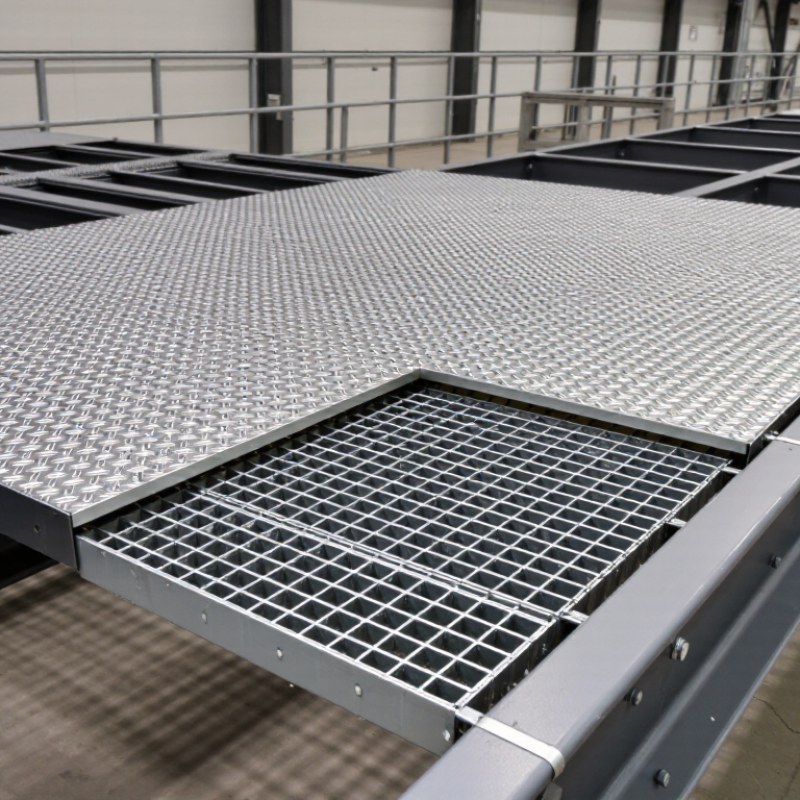
Compound Steel Grating pairs an open steel grating panel with a solid cover plate, creating a surface that supports loads while limiting debris and small objects from passing through. The assembly is commonly used on walkways, platforms, stair landings, and service areas. Picture a grated walkway with a checkered plate welded across its top. The open grid remains visible underneath.

“ A composite deck is only as dependable as the connection between its grating and cover plate,” says fictional industry specialist Dr. Elias Morgan. This illustrative quote is not a verified statement from a real expert. It highlights a practical point: plate thickness, weld quality, support spacing, and corrosion protection all affect performance. Small details matter.

Compound Steel Grating comes in several forms. Base panels may use plain or serrated bearing bars, while cover plates may be checkered or smooth. Surface treatments, such as galvanizing, can also vary by service environment. The right combination depends on expected loads, drainage needs, foot traffic, and maintenance conditions. There is no single best type. A solid plate can improve containment, but it may reduce drainage and add weight. That trade-off deserves careful review. This guide explains common configurations, their uses, and the details buyers should check before specifying a panel. It also points out where product descriptions can be incomplete. Verify dimensions and load data with the manufacturer.
What Is Compound Steel Grating and What Are Its Types?

Definition and Basic Structure of Compound Steel Grating

What Is Compound Steel Grating and What Are Its Types?

Definition and Basic Structure of Compound Steel Grating

Compound steel grating combines an open steel grating panel with a solid cover plate fixed on top. The grating usually has parallel load-bearing bars joined by cross bars. The plate may be plain or checkered, depending on the required surface and drainage. Together, these parts create a panel that supports foot traffic while covering some openings. The exact structure varies by design.

The plate-to-grating connection matters. Welds, bar spacing, bearing-bar depth, plate thickness, and panel span all affect performance. A sturdy-looking surface is not proof of capacity; specifications and tested load data should guide selection. As industry context, World Steel Association’s World Steel in Figures 2024 reports 1,892.2 million tonnes of crude steel production worldwide in 2023. That figure reflects the scale of steelmaking, not the quality of any particular grating product.

Tips: Check drawings for panel dimensions, weld details, and load ratings. Confirm whether the plate is intended to provide a solid walking surface or only partial coverage. Small details matter.

Materials and Components Used in Compound Steel Grating

Compound steel grating combines a load-bearing grating panel with a solid plate, usually welded or mechanically fastened together. The main bars are commonly carbon steel, selected for strength and practical fabrication. Cross bars hold the bearing bars at regular spacing and help distribute loads across the panel. Details matter.

A solid steel plate is fitted over the grating to create a more continuous walking or working surface. Plate thickness depends on the expected load and span; a thin plate may flex under concentrated loads. Perimeter flat bars or shaped edge trim cover exposed ends and help keep the assembly neat. Clips, bolts, or welds secure the components, but the attachment method should suit the structure and allow for inspection where needed.

Surface protection is another material choice. Hot-dip galvanizing is often specified for outdoor exposure, while stainless steel may suit some corrosive environments. Neither option is right for every site. Chemical exposure, standing water, and maintenance access can change the choice. A coating can also be damaged during cutting or welding, so repairs may be necessary. Not every site agrees. Reviewing drawings, load requirements, and exposure conditions helps prevent a well-made panel from being poorly matched to its setting.

What Is Compound Steel Grating and What Are Its Types? - Materials and Components Used in Compound Steel Grating
Category Type or component Materials and typical reference data Description and common use
Definition Compound steel grating A steel bar-grating panel combined with a solid cover plate, commonly a checkered plate. The grating provides a load-bearing framework; the plate creates a more continuous walking or working surface. The two parts are joined by welding or other specified fastening methods.
Grating-core type Welded-bar core Bearing bars are commonly spaced at 30 mm or 40 mm; cross bars are often spaced at 50 mm or 100 mm. Actual layouts vary by design. Cross bars are resistance-welded to the bearing bars. This widely used core can be paired with a cover plate for platforms, walkways, and stair landings.
Grating-core type Press-locked core Bearing bars and cross bars are mechanically interlocked in matching slots; bar depth and spacing are selected for the required load and span. A flush, uniform grid can be produced without the same welded cross-bar arrangement. The cover plate and its attachment should be specified for the intended service conditions.
Grating-core type Swage-locked core Cross bars are mechanically locked into bearing bars by deformation at the intersections; dimensions depend on the load, span, and product design. Another mechanically assembled grating-core option. It can be combined with a plate surface where a more continuous deck is required.
Cover-plate type Plain plate Often specified at approximately 3–6 mm thick for general-purpose panels; thickness must be verified against loading and support conditions. Provides a flat surface. Drainage, slip resistance, and plate deflection should be considered in the design.
Cover-plate type Checkered plate Commonly supplied in nominal plate thicknesses around 3–6 mm, with raised patterns formed on the surface; available sizes vary by supplier and specification. Raised patterns can improve surface traction compared with a plain plate, though performance depends on pattern, footwear, and site conditions.
Structural component Bearing bars Common carbon-steel bar thicknesses are about 3–6 mm, with depths often around 25–100 mm. These are reference ranges, not a design specification. The primary load-carrying bars normally span between supports. Required size depends on load, span, deflection limits, and applicable design requirements.
Structural component Cross bars May be round, twisted-square, or other specified bars; common layouts use approximately 50 mm or 100 mm cross-bar spacing. Hold bearing bars in position and help distribute loads across the grating panel. They are not normally a substitute for the bearing bars as the main spanning members.
Material option Carbon steel Common choice for both grating and plate; may be supplied with a protective coating or left uncoated when appropriate for the environment. Often selected for general industrial platforms and access ways. Corrosion protection should be matched to exposure and maintenance requirements.
Material option Hot-dip galvanized steel Fabricated carbon-steel components are coated with zinc by hot-dip galvanizing; coating requirements depend on the applicable specification and service environment. Used to improve corrosion resistance. Coating coverage and fabrication sequence should be considered for the combined grating-and-plate assembly.
Material option Stainless steel Common grades include 304 and 316; the appropriate grade depends on chemical exposure, chloride levels, temperature, and cleaning conditions. Used where corrosion resistance or hygiene is important. Stainless components and compatible joining methods should be specified together.
Connection component Welds, clips, and panel supports Connection type and spacing are determined by panel size, support arrangement, loading, vibration, and the project specification. Secure the cover plate to the grating and the panel to its supporting structure. Connections should be designed to prevent movement and suit the corrosion-protection system.
Note: Dimensions shown are typical reference ranges only. Final bar sizes, spacing, plate thickness, materials, coatings, and connections should be selected from project-specific load calculations and applicable standards.

How Compound Steel Grating Is Made

Compound steel grating is made by combining an open steel grating panel with a solid cover plate, often a patterned plate for added grip. The grating itself uses parallel bearing bars joined by cross bars through welding or mechanical locking. Its bar height, spacing, and steel thickness are chosen to suit the intended load and span. Small choices matter.

The cover plate is cut to size, then aligned over the grating. Fabricators may weld it at selected points or secure it with fasteners, depending on the design and access needs. A close fit helps prevent rattling, though uneven surfaces can still cause trouble. Edges are often trimmed or fitted with a band to reduce sharp projections and protect the assembly. After joining, workers check dimensions, welds, and the panel’s flatness. The finished unit may then be galvanized or receive another specified corrosion-protection treatment. Coating after fabrication can cover exposed welds, but it can also affect drainage openings and surface texture. That trade-off deserves attention. A solid top may improve footing and contain debris, yet it adds weight and reduces the open area that lets water pass through.

Main Types of Compound Steel Grating

Main Types of Compound Steel Grating

Compound steel grating usually pairs a load-bearing steel grating panel with a solid or patterned steel plate. The grating supports the load, while the plate creates a more continuous walking surface. Its main types differ by the grating profile and the top plate.

Plain-bar compound grating uses flat bearing bars and suits many platforms and walkways. Serrated-bar versions have notched edges that can improve grip in wet or oily areas. The notches are useful, but they do not replace sensible drainage or regular cleaning. I-bar grating uses narrower, shaped bearing bars to reduce weight. It may fit applications where load and span calculations allow it.

The top plate can be smooth or checkered. A smooth plate is easier to wipe clean, while a checkered plate offers a raised texture underfoot. Some assemblies also use perforated plates when drainage or airflow matters. Details vary by design. Buyers should check bar spacing, plate thickness, support span, weld quality, and corrosion protection against the actual site conditions. A heavier-looking panel is not automatically safer; the connection and support layout matter too. There is no single best combination. Even a small mismatch between panel span and support spacing can cause unwanted flex.

Common Applications and Selection Factors

Compound steel grating pairs an open steel bar panel with a solid or patterned plate, creating a surface that can carry loads while limiting dropped debris. It is commonly used on factory platforms, service walkways, stair treads, and mezzanines. On a wet processing floor, the plate can help contain spills, while the grating beneath allows drainage and airflow. Small details matter. Plate thickness, bar spacing, and the direction of the bearing bars all affect performance.

Selection starts with the actual load, clear span, and support arrangement—not just the panel’s appearance. The U.S. Bureau of Labor Statistics recorded 865 fatal work injuries involving falls, slips, and trips in 2022, in its Census of Fatal Occupational Injuries. This figure does not show that any one flooring product prevents accidents; it does highlight why slip resistance and secure installation deserve attention. Check load tables, opening size, corrosion exposure, drainage needs, and how the panel will be fixed and maintained. A tidy drawing can still miss a field condition, such as a support placed off-center. Review measurements on site, and ask a qualified engineer to verify the design before ordering.

Newsletter

Subscribe to our newsletter and receive the latest news and exclusive insights every month. No spam.