How to Choose the Right Check Valve in 2026?
Choosing the right check valve in 2026 requires more than matching pipe size. Flow direction, pressure surges, fluid chemistry, temperature, installation angle, and maintenance access all matter. A wafer check valve may fit neatly between flanges, yet a sluggish disc can create damaging water hammer. A spring-loaded design may close faster, but its cracking pressure can restrict a low-flow system. Small details decide large outcomes.
Industry data supports careful selection. Grand View Research’s industrial valves market analysis identifies energy, water treatment, chemicals, and infrastructure as major demand sectors. MarketsandMarkets also reports continued growth in smart and automated valve applications. These trends increase expectations for dependable backflow protection, traceable materials, and predictable lifecycle performance. However, market forecasts cannot replace engineering judgment. They show direction, not the correct valve for your pipeline.
R. W. Zappe, author of Valve Selection Handbook, offered a practical principle: “Select the valve for the service, not merely the line size.” That warning remains valuable. The best check valve is not always the most expensive model. It is the one that closes before reverse flow accelerates, survives the medium, and remains inspectable after installation. API 594, API 6D, ASME B16.34, and ISO 5208 provide useful reference points for design, testing, and verification. Still, standards do not eliminate uncertainty. Poor flow data, incomplete operating records, and optimistic assumptions can weaken a sound specification. This guide examines the evidence, trade-offs, and field realities behind choosing the right check valve in 2026.
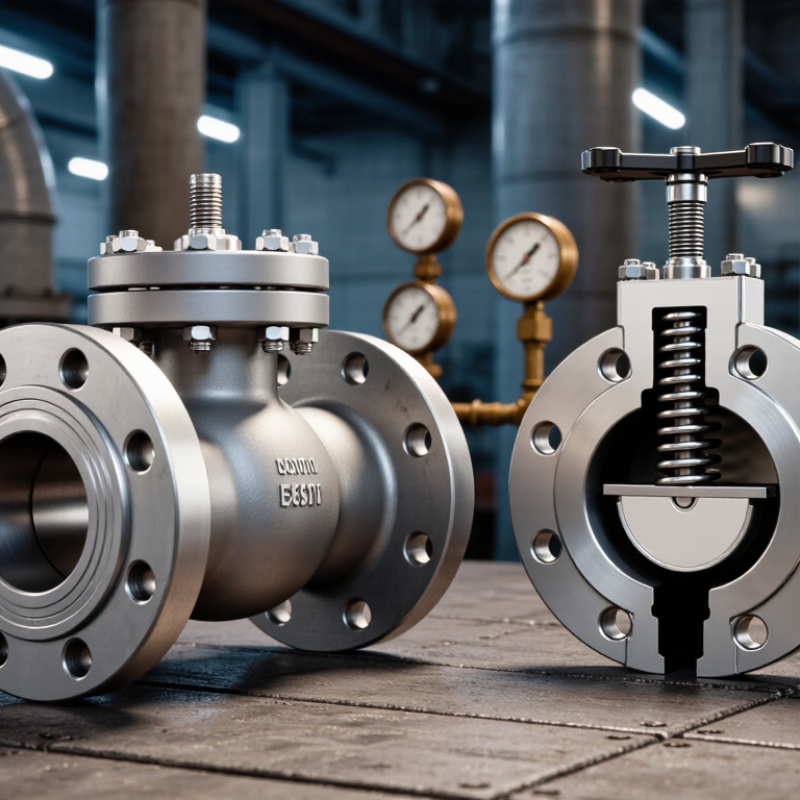
What a Check Valve Is and How It Controls Fluid Flow
Check valves are automatic one-way devices. They permit fluid to move forward and stop reverse flow. A spring, disc, ball, or lift mechanism responds to pressure changes. When inlet pressure exceeds outlet pressure, the valve opens. Reverse pressure pushes its closing element onto a seat. This simple action protects pumps, filters, tanks, and process lines from backflow.
Choosing one requires more than matching pipe size. Identify the fluid, temperature, pressure, flow rate, and installation position. Clean water may suit a swing design, while fast cycling systems often need a spring-loaded design. Cracking pressure matters. Too much resistance wastes energy, but too little may allow unwanted reverse movement. In a narrow vertical line, gravity and flow direction can change performance. Always check the arrow on the body.
I have seen a valve selected correctly on paper but installed near severe turbulence. It chattered, wore the seat, and failed early. That mistake is easy to repeat. Leave suitable straight pipe where technical data requires it. Consider water hammer, especially when a pump stops suddenly. Materials must resist corrosion and chemical attack. Inspect seals, noise, leakage, and closing response during maintenance. Digital pressure sensors can reveal abnormal cycling, but they cannot replace hands-on inspection. A small flow test may expose a large problem.
Which Check Valve Design Fits Your Piping System
How to Choose the Right Check Valve in 2026?
Which Check Valve Design Fits Your Piping System?
Selecting a check valve starts with the piping system, not the catalog. A swing check valve suits steady, horizontal flow with limited reversals. A wafer dual-plate valve saves space and responds faster. A lift check valve can handle higher pressure, but it needs cleaner flow conditions. Installation direction matters. A small error can create serious noise, vibration, or reverse flow.
The U.S. Department of Energy’s Improving Pumping System Performance sourcebook reports that pumping systems may consume 25–50% of an industrial facility’s electricity. Therefore, disc weight, spring force, and pressure loss deserve close attention. A valve with a low cracking pressure may reduce energy waste. However, it may not close quickly enough during a pump trip. That trade-off is easy to underestimate.
Use actual flow velocity, temperature, pressure, and fluid density during selection. API 6D and ASME B16.34 provide useful requirements for pressure-containing valve design and testing. ISO 5208 also defines leakage-testing methods. For wastewater, solids can prevent a tight seal. For gas service, even minor leakage deserves careful review. Field inspections often reveal that a theoretically correct valve performs poorly after poor support or turbulent inlet piping. The calculation may be right. The installation may still be wrong.
How to Compare Materials, Connections, and Installation Conditions
How to Choose the Right Check Valve in 2026?
Choosing a check valve starts with the fluid, not the catalog picture. In maintenance reviews, I have seen unsuitable materials cause swelling, corrosion, or brittle seals. Match the body and internal parts to the fluid’s chemistry, temperature, pressure, and cleanliness. Stainless steel may suit corrosive water, while engineered plastics can reduce weight in compatible systems. Always verify the manufacturer’s pressure and temperature ratings against real operating conditions. A small safety margin matters.
Connections also affect reliability. Threaded ends work well on compact, accessible lines. Flanged connections support larger pipes and simplify controlled removal. Wafer designs save space, but they require accurate alignment between flanges. Check the pipe schedule, gasket material, bolt pattern, and flow direction. I once focused too much on valve material and overlooked a mismatched connection. That mistake delayed installation.
Tips: Measure the available space before ordering. Confirm the minimum flow needed to open the valve. Review vertical and horizontal installation limits. Avoid placing the valve beside an unstable pump discharge. Support heavy piping independently. Test for leakage after installation, then record the result. These steps seem basic. They are often skipped. Also, do not assume a quiet valve is a healthy valve; inspect pressure loss and closing behavior under actual conditions. If the system changes later, reassess the valve rather than trusting the original selection.
How to Verify Performance, Maintenance Needs, and Safety Standards
How to Choose the Right Check Valve in 2026?
Performance verification should match the valve’s real operating conditions. Record fluid type, temperature, pressure, flow rate, and installation direction. Do not guess.
A bench test can measure cracking pressure, full-flow pressure loss, and reverse leakage. Compare the results with the manufacturer’s certified data and project requirements. During commissioning, listen for sharp impact sounds or repeated movement. These signs may indicate valve slam, unstable flow, or incorrect sizing. Small details matter. A clean strainer upstream can prevent debris from damaging the sealing surface.
Maintenance planning should reflect the fluid and duty cycle. Inspect the hinge, spring, disc, seat, and body for wear or corrosion. Check valve position indicators, bolts, and nearby pipe supports. A maintenance log should include test dates, leakage readings, replaced parts, and observed changes. In practice, teams sometimes replace seals too early while ignoring vibration. That is a costly mistake, but inspection routines are rarely perfect.
Safety verification requires more than checking a pressure label. Confirm pressure-temperature ratings, material compatibility, end connections, and safe access for isolation. Pressure tests should follow the applicable project procedure and recognized standards, such as ISO 5208 or API 598, where relevant. Requirements can differ by industry and location. Have a qualified engineer review unusual fluids, high temperatures, toxic service, or pulsating flow. A valve that passes a workshop test may still fail after installation. Recheck it under actual operating conditions.


