2026 How to Choose the Right Lab Supplies for Your Research Needs?
Choosing the right lab supplies is crucial for any research project. The quality and suitability of these materials can directly impact your results. With countless options available, making an informed decision can be daunting.
Understanding your specific research needs is vital. Are you conducting biological experiments or chemical analyses? Each field requires different lab supplies. For instance, a biologist may need petri dishes and pipettes, while a chemist might prioritize beakers and volumetric flasks.
It’s essential to consider reliability when selecting supplies. Look for suppliers with proven expertise and good reviews. Not all supplies are equal. Some might perform well in controlled tests but fail in real-world applications. Always reflect on past experiences when choosing your materials. Your decisions can shape the outcome of your research significantly.
Identifying Your Research Objectives and Requirements
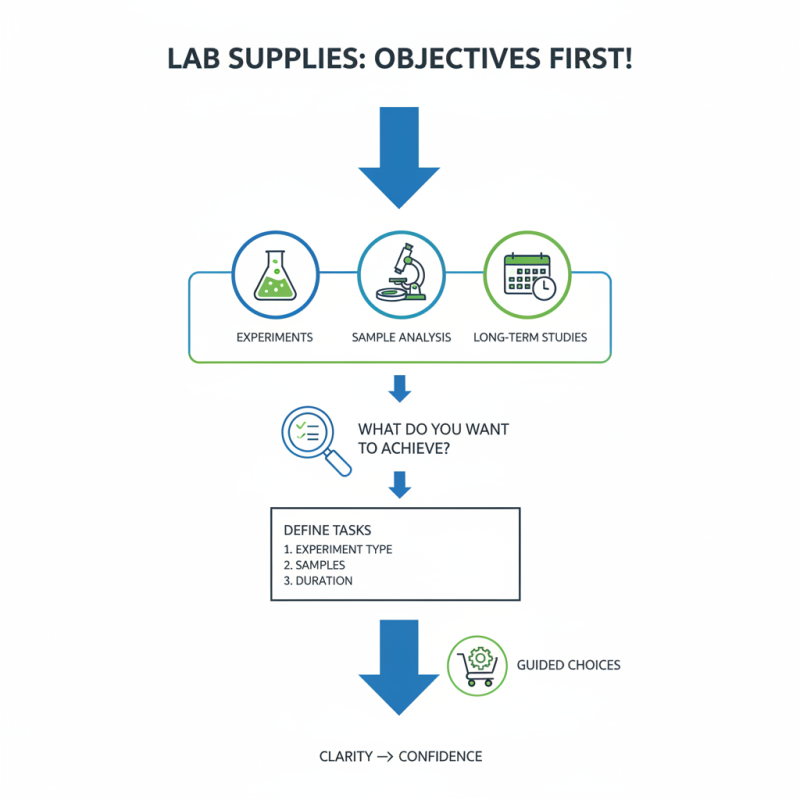
When it comes to lab supplies, your research objectives must come first. Consider what you want to achieve. Are you conducting experiments, analyzing samples, or doing long-term studies? Identify the specific tasks each supply will help you with. This clarity will guide your choices.
Understanding your requirements is crucial. Different research areas may have unique tools or materials that fit their methodologies. For instance, biological research may require sterile environments, while chemistry might need precision instruments. Each project has distinct needs, so evaluate what you lack and what will enhance your workflow.
Think about the reliability of your lab supplies. Not all products perform equally well, and some may not meet your standards. Assess user reviews and consult with colleagues. This practice will help you navigate choices. Research needs can change, prompting a re-evaluation of your supplies over time. Regularly reflect on what is working and what could improve your research quality.
Understanding Different Types of Lab Supplies Available
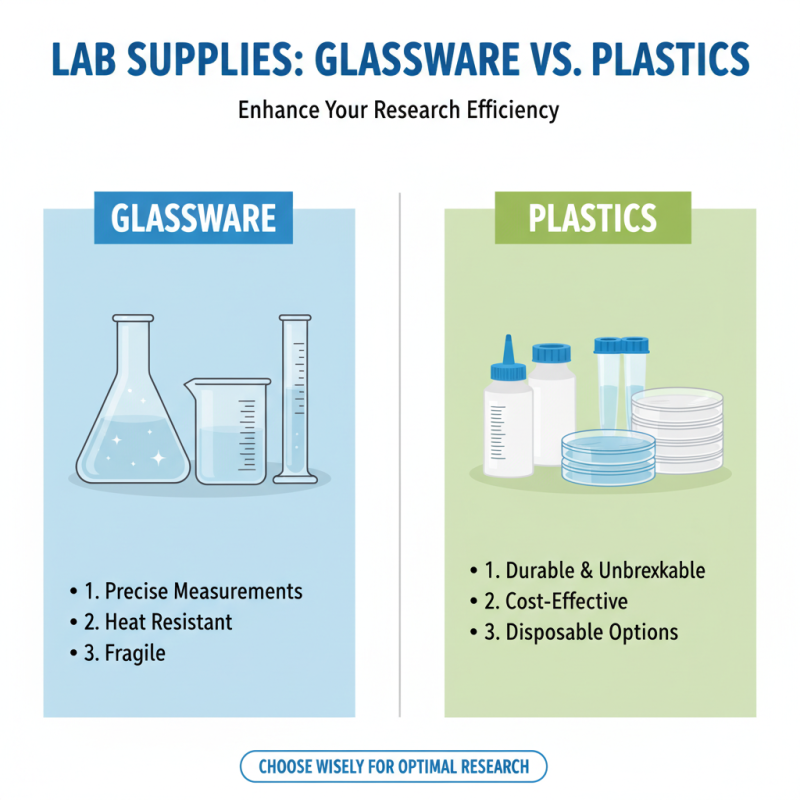
When it comes to research, selecting the right lab supplies is crucial. Different types of supplies serve various functions, and understanding these can enhance your research's efficiency. For instance, glassware is essential for precise measurements but can be fragile. Plastic containers, while less accurate, often offer a more durable option.
According to a report by the National Institute of Standards and Technology, around 30% of lab errors stem from improper equipment usage. This statistic highlights the importance of matching supplies to research requirements. For biological studies, invest in sterile consumables to avoid contamination. However, while bulk purchasing can save costs, it may lead to waste if supplies are not used timely.
Moreover, consider the source of your supplies. A survey from Lab Manager Magazine indicates that 85% of researchers prioritize supplier reliability and quality. This reflects the need for trustworthy partnerships in the lab supply chain. Balancing cost and quality is often a challenge. Researchers must reflect on their past experiences with supplies to make informed decisions.
Evaluating Quality and Reliability of Lab Supplies
When evaluating the quality and reliability of lab supplies, precision is key. Start by assessing the manufacturer's reputation. Research their history and user reviews. A reliable company often has years of experience and positive feedback.
Tips: Always check certifications related to lab supplies. These documents provide insights into quality standards. Be aware, though, that not all suppliers will disclose this information. It may take extra effort to confirm their credentials.
Next, consider the materials used in the supplies. Some materials may be prone to degradation over time. This could lead to compromised results in your experiments. It's crucial to choose items made from durable materials. However, achieving a perfect balance between cost and quality can be challenging.
Tips: Test samples whenever possible. Conducting trials will give you an idea of how well supplies perform in your specific research context. Don't overlook the importance of technical support. A responsive supplier can be invaluable.
Considering Budget Constraints and Cost-Effectiveness
Budget constraints often challenge researchers. Lab supplies can be expensive. Balancing quality and cost is essential. Consider the specific needs of your project. Are you prioritizing accuracy, precision, or durability? Each factor influences the choice of supplies.
Explore various suppliers. Some may offer bulk discounts. Don’t hesitate to compare prices. Look for reliable reviews. Yet, remember that lower prices do not always mean superior value. It’s vital to assess the reliability of the products. Check if the supplies meet industry standards and user feedback.
Reflections on what works best can be helpful. After initial purchases, monitor how the supplies perform. Are they meeting your expectations? If not, consider alternatives. Engaging with peers can provide insights into cost-effective yet reliable options. Research is not just about funding; it’s about making informed choices.
2026 Research Lab Supplies Cost Analysis
This bar chart illustrates the estimated costs of various lab supplies critical for conducting research effectively. Understanding these costs can help researchers budget appropriately and choose the most cost-effective supplies for their projects.
Finding Reputable Suppliers and Comparing Options
Choosing lab supplies requires careful consideration. The quality of your materials can significantly impact your research outcomes. Start by identifying your specific needs. Each experiment has unique requirements. Therefore, selecting the right supplies is crucial.
Finding reputable suppliers can be challenging. Look for companies with strong industry experience. Read reviews from other researchers to gauge reliability. Visit their websites to assess product range and quality certifications. Compare prices and stock availability, but don’t sacrifice quality for cost.
Transparency is key when assessing suppliers. Ask for documentation on materials and sourcing practices. Be wary of vague information. Additionally, consider delivery times and customer service responses. Reliable support can save you time during critical experiments. Engage with suppliers directly if needed. This interaction can provide insights that reviews often miss.