2026 How to Choose the Best Pathology Equipment for Your Laboratory Needs?
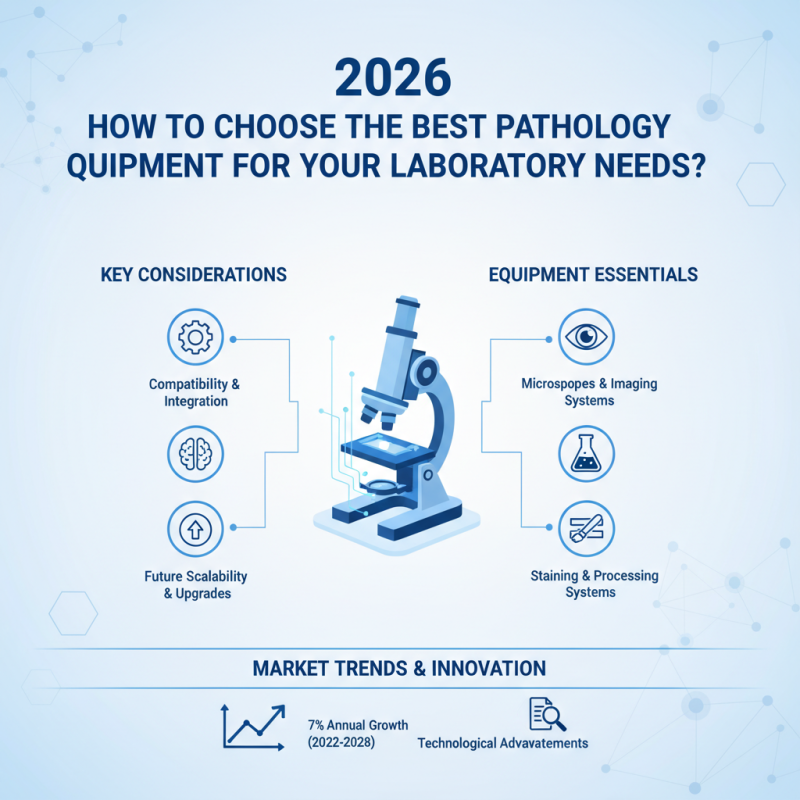
Choosing the right pathology equipment is critical for any laboratory. In a fast-evolving field, laboratories must adapt to new technologies and standards. According to the Global Pathology Equipment Market report, the market is expected to grow by 7% annually from 2022 to 2028. This highlights a strong demand for advanced equipment to enhance diagnostic accuracy.
Pathology equipment varies widely in function and design. Understanding the unique needs of your laboratory is essential. High-quality microscopes, analyzers, and staining systems are foundational. However, ensuring compatibility with existing systems often poses challenges. Selecting equipment that aligns with both current demands and future growth can be daunting.
Furthermore, user training and ongoing maintenance are often overlooked factors. Equipment can be state-of-the-art yet underutilized if staff are not adequately trained. Investing in quality equipment is just the beginning. Monitoring technological advancements remains crucial for maintaining laboratory efficiency. Scanning industry reports regularly can keep laboratories informed of the latest trends and innovations in pathology equipment.
Understanding the Importance of Quality Pathology Equipment
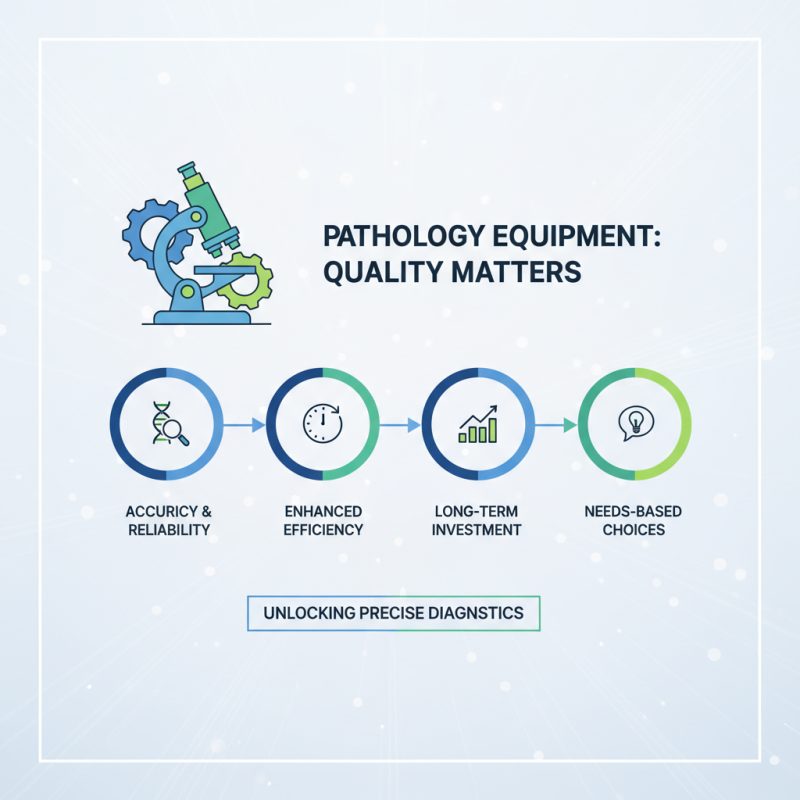
Choosing the right pathology equipment is crucial for laboratories. Quality equipment enhances accuracy and efficiency, which are essential for reliable results. When investing, consider not just the cost but also the long-term benefits of quality. Understanding specific laboratory needs will guide your choices effectively.
Tips for selecting pathology equipment include assessing functionality. Ensure the equipment aligns with the tasks it will perform. For instance, check specifications for precision and durability. Support and training services should not be overlooked. Having access to expert guidance can enhance your lab’s productivity.
Quality equipment can make a significant difference in outcomes. However, not all high-priced items guarantee optimal performance. Reflect on their actual benefits against your lab's needs. Analyze user feedback and performance metrics. Ensure the equipment will truly serve its intended purpose efficiently.
Identifying Your Laboratory's Specific Needs and Requirements
Choosing the best pathology equipment begins with understanding your laboratory's specific needs. Each lab is unique, influenced by its size, function, and the types of samples processed. A small lab may require fundamental equipment like microscopes and staining systems, while larger facilities may need advanced diagnostic tools and automated systems. It's essential to assess workflow demands and expected sample volumes to determine the right fit.
Budget constraints often impact decisions. Investing in high-quality equipment can pay off in the long run, improving efficiency and accuracy. However, balancing quality with affordability is challenging. Consider the long-term benefits against initial costs. Seek expert advice to evaluate the latest technology options. Always aim for functionality that meets current needs, but don’t ignore potential future growth.
Training staff to use new equipment effectively is vital. Even the best machines are only as good as the operators behind them. Ongoing education ensures your team utilizes technology to its fullest potential. Reflect on past experiences with equipment—what worked and what didn’t? This reflection can guide better choices moving forward, resulting in improvements that enhance lab performance.
2026 How to Choose the Best Pathology Equipment for Your Laboratory Needs?
| Equipment Type |
Key Features |
Considerations |
Approximate Cost |
| Microscope |
High resolution, LED illumination, Ergonomic design |
Magnification levels, image capture options |
$1,000 - $5,000 |
| Centrifuge |
Variable speed, Compact design, Multiple rotor options |
Max capacity, rotor compatibility |
$2,000 - $10,000 |
| Autoclave |
Automated cycle control, Sterilization assurance, Energy efficient |
Size, cycle time |
$3,000 - $15,000 |
| Refrigerator |
Dual temperature zones, Alarm system, Adjustable shelves |
Capacity, temperature range |
$1,500 - $6,000 |
| Slide Scanner |
Whole slide imaging, High throughput, Digital archiving |
Software compatibility, image resolution |
$10,000 - $50,000 |
Key Features to Consider When Selecting Pathology Equipment
When selecting pathology equipment for laboratory needs, several key features should be prioritized. Quality assurance stands out. Reliable equipment enhances accuracy in diagnostics. A study by the American Association of Clinical Pathologists noted that 10% of diagnostic errors stem from faulty equipment. This emphasizes the need for precision and dependability.
Another important consideration is user interface design. Complex equipment can hinder efficiency. The user experience can directly impact workflow. Research indicates that labs with intuitive systems experience a 15% reduction in operational time. Additionally, ensure that the equipment meets compliance standards. Regulatory compliance prevents legal complications and ensures patient safety.
Finally, consider the service and support options available. Equipment can sometimes fail or require calibration. Having reliable support can minimize downtime. Ensure that the vendor offers timely maintenance and training services. A survey in the clinical diagnostics field revealed that 20% of labs face operational disruptions due to inadequate support. Keeping these factors in mind will guide a more informed decision.
Evaluating Different Types and Brands of Pathology Instruments
Choosing the right pathology equipment is crucial for laboratory efficiency. Popular instruments include microscopes, slide scanners, and staining machines. Each type has varying features, which can significantly impact results. According to a recent industry report, the pathology equipment market is expected to grow by 7% annually, highlighting the demand for advanced technology.
When evaluating brands, consider reliability and support services. A trusted manufacturer often provides better warranties and training resources. Tips for selection include assessing the equipment's precision, ease of use, and maintenance needs. Always review user feedback and consult peer-reviewed studies that evaluate instrument performance in real-world settings.
Remember that the best choice may not always be the most expensive one. Some affordable options offer similar functionality and reliability. Reflect on your specific requirements and budget constraints. Customizing your pathologist’s toolkit can enhance productivity while ensuring high-quality diagnostic results.
Budgeting and Financing Options for Laboratory Equipment Purchase
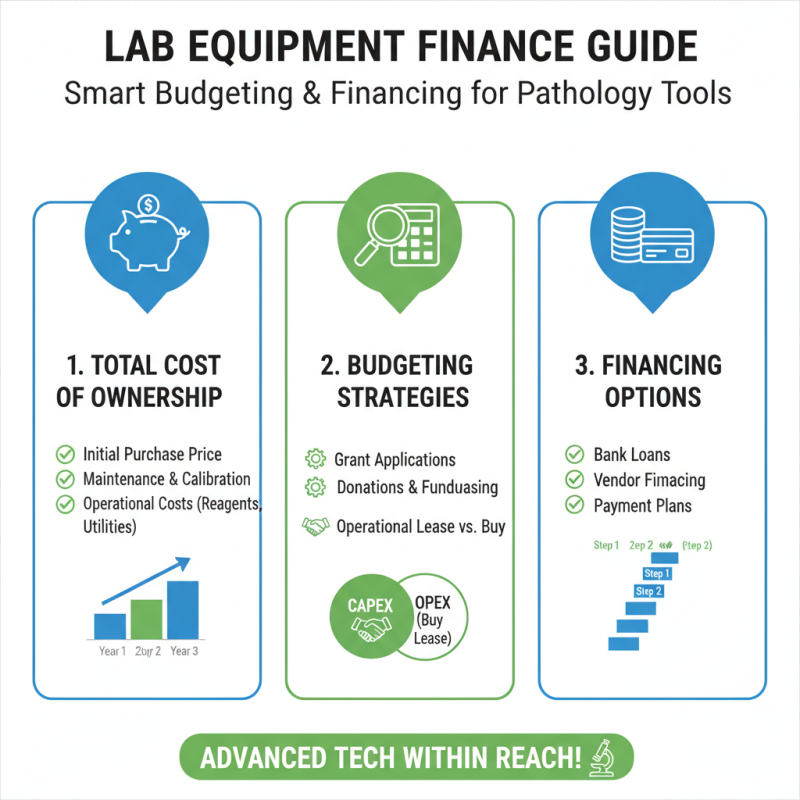
When considering the purchase of pathology equipment, budgeting and financing are crucial. Many laboratories face tight budgets while needing advanced technology. Understanding the total cost of ownership is important. This includes initial purchase, maintenance, and operational costs.
Before buying, create a detailed budget. Estimate both immediate and long-term expenses. Evaluate whether leasing or financing options might reduce upfront costs. Some laboratories find leasing offers flexibility. It allows you to upgrade equipment without large capital outlay.
**Tips:** Look for government grants that support laboratory innovations. Some institutions provide funding opportunities for specific projects. Explore various financing options, including loans and payment plans. It’s important to assess the long-term implications of each choice. Keeping finances in check is essential; avoiding unexpected expenses should be a priority.
Consider starting small with essential equipment. This approach can minimize financial strain while still meeting laboratory needs. Investing wisely can yield significant benefits, both now and in the future. Each decision should align with your lab’s goals and budget.