How to Choose the Best Laboratory Glassware for Your Needs?
Choosing the right laboratory glassware is crucial for accurate experiments and reliable results. The diversity of laboratory glassware can be overwhelming. Each type serves a specific purpose, from beakers to test tubes. Knowing what you need can save time and improve your workflow.
When selecting laboratory glassware, consider material, size, and shape. Glassware can be made from various materials, such as borosilicate glass or quartz. Borosilicate is known for its thermal resistance. Meanwhile, quartz glassware provides excellent optical clarity. Each choice influences your experiments.
Investing in quality laboratory glassware is essential. Subpar glassware can lead to inconsistent results and greater risk of spills. Experience matters when choosing suppliers. Look for reputable brands with good reviews. Researching can prevent mistakes and enhance your lab's performance. Remember, the right glassware can make a significant difference in your scientific endeavors.
Understanding the Types of Laboratory Glassware: A Comprehensive Guide
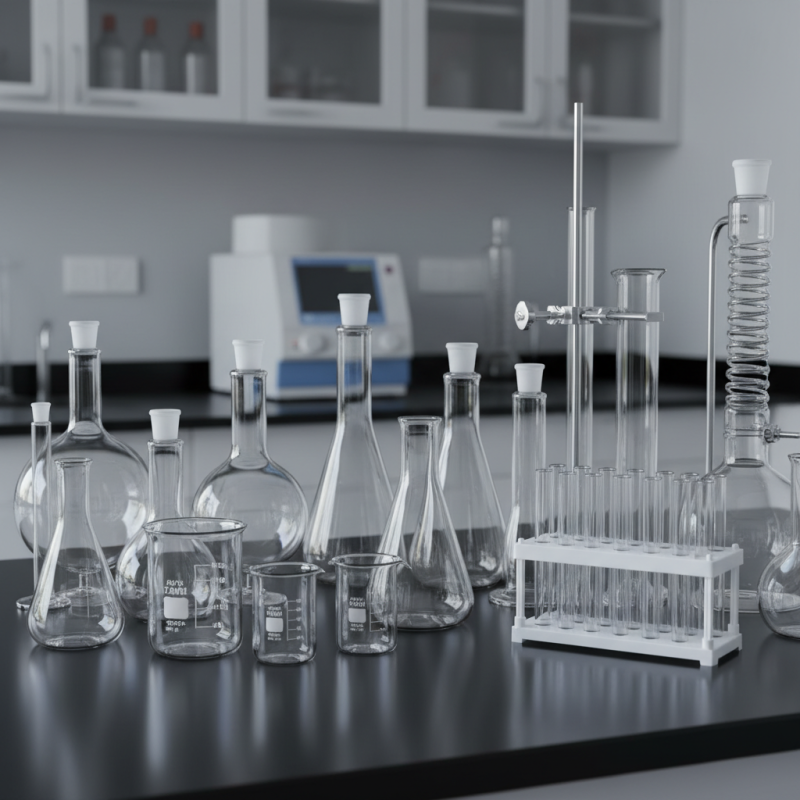
Laboratory glassware comes in various types, each serving a specific function. Understanding these types is crucial for effective experimentation. According to a report by Research and Markets, the global laboratory glassware market is expected to reach $3.5 billion by 2025, reflecting a growing demand for high-quality glassware. Common types include beakers, flasks, and test tubes. Each of these serves its purpose, whether it's for mixing, heating, or storing chemicals.
Beakers are widely used for mixing solutions. Their flat bottom allows for easy stirring. However, not all beakers are created equal. Some may have inaccurate measurement markings. Graduated cylinders offer a better solution for measuring liquids precisely. On the other hand, flasks are ideal for boiling and mixing, with designs that minimize evaporation. But their narrow necks can also make cleaning difficult, prompting reflections on efficiency in lab procedures.
Test tubes are fundamental in many labs. They facilitate small-scale experiments and reactions. Though they're multifunctional, they require careful handling to avoid breakage. Lab glassware must meet certain standards for durability and safety. A 2021 study published in the Journal of Hazardous Materials noted that improper glassware usage can lead to chemical spills, emphasizing the importance of choosing the right equipment for specific tasks. Understanding the pros and cons of various lab glassware helps ensure reliable and accurate results.
Key Considerations in Selecting Laboratory Glassware for Chemical Safety
Selecting the right laboratory glassware is crucial for ensuring chemical safety. Professionals should consider the material of the glassware. Borosilicate glass is favored for its thermal resistance. It can withstand rapid temperature changes, reducing the risk of breakage. A report by the American Chemical Society indicates that 85% of laboratory incidents are due to glassware failures. Thus, choosing durable options is vital for operational safety.
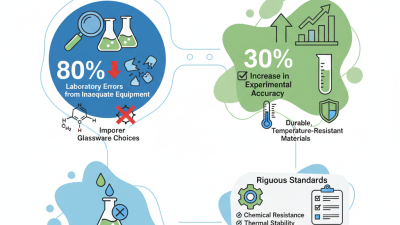
It's important to understand the intended use of the glassware. Different tasks require specific designs—such as beakers, flasks, or pipettes. Each type has unique characteristics that can impact accuracy and safety. For example, volumetric glassware is essential for precise measurements, as shown in studies where errors in measurement were reduced by 30% when using high-quality volumetric flasks.
Tips: Always inspect glassware for chips or cracks before use. Store glassware properly to prevent damage. Regular training on safe handling practices should also be conducted. These steps can significantly reduce laboratory accidents and improve overall safety, reinforcing the need for continual evaluation of equipment used in chemical work.
How to Choose the Best Laboratory Glassware for Your Needs? - Key Considerations in Selecting Laboratory Glassware for Chemical Safety
| Glassware Type |
Capacity |
Chemical Resistance |
Temperature Tolerance |
Cost |
| Beaker |
100 mL - 5 L |
Moderate |
-20°C to 100°C |
$10 - $30 |
| Flask |
50 mL - 2 L |
High |
-50°C to 220°C |
$15 - $50 |
| Pipette |
1 mL - 10 mL |
Low |
0°C to 60°C |
$5 - $20 |
| Test Tube |
5 mL - 25 mL |
Moderate |
-20°C to 120°C |
$1 - $10 |
| Burette |
25 mL - 100 mL |
High |
0°C to 200°C |
$15 - $40 |
The Role of Material Composition in Laboratory Glassware Selection
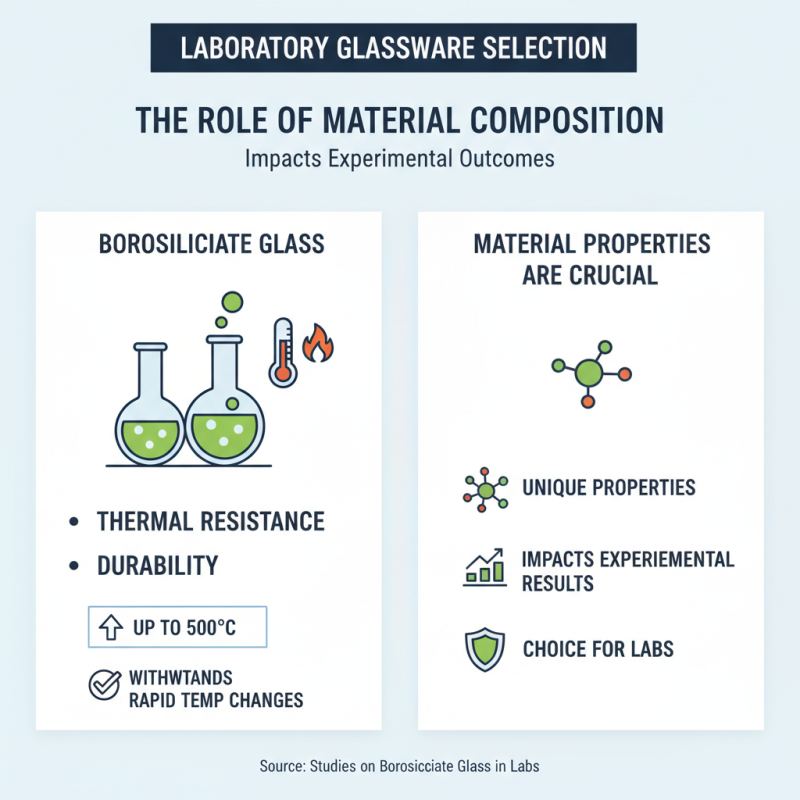
When selecting laboratory glassware, material composition is crucial. Different materials offer unique properties that can impact experimental outcomes. For instance, borosilicate glass is renowned for its thermal resistance and durability. It can withstand rapid temperature changes, making it a common choice in labs. In fact, studies indicate that borosilicate glass can tolerate temperatures up to 500°C without compromising integrity.
On the other hand, soda-lime glass is more susceptible to thermal shock. It is less expensive but also less durable. According to industry reports, using soda-lime glass for reactions involving heat might lead to unexpected breakage. Researchers should also consider chemical compatibility. Some materials react unfavorably when in contact with certain chemicals. A mismatch here can skew results or even pose safety risks.
Plastic alternatives are gaining popularity too. They are lightweight and shatter-resistant. However, their chemical resistance varies widely. Polypropylene, for example, has a good resistance to acids but not to solvents. Thoughtful material selection based on intended use can help avoid costly mistakes in the laboratory. Understanding these nuances can empower scientists to make informed decisions and minimize errors.
Comparative Analysis of Glassware Sizes and Shapes for Specific Experiments
When selecting laboratory glassware, understanding sizes and shapes is crucial for experimentation. Beakers, flasks, and test tubes each serve specific purposes. A beaker, for example, is often used for mixing and heating. Its wide mouth is beneficial for transferring liquids. However, its accuracy is limited. For precise measurements, volumetric flasks are ideal. They provide exact liquid volumes and minimize errors, crucial for quantitative experiments.
Consider the dimensions of your glassware. Research indicates that flasks with narrow necks are better for reactions requiring airtight conditions. A study showed that standard 250 mL Erlenmeyer flasks can facilitate better stirring and mixing due to their tapered shape. Choosing appropriate glassware also depends on your specific experiment's volume needs. Using a smaller container for large volumes can lead to inaccuracies.
Functionality often dictates shape and size. For instance, large round-bottom flasks are excellent for boiling or refluxing. However, they require a specialized heater for stability. Conversely, smaller test tubes are excellent for quick reactions but may not hold enough material for in-depth analysis. Reflection on these details can enhance experimental replication and accuracy, key factors in any scientific inquiry.
Industry Standards and Certifications for Quality Laboratory Glassware
When selecting laboratory glassware, industry standards and certifications play a crucial role. Look for glassware that adheres to recognized guidelines, such as ISO or ASTM. These benchmarks ensure that the glassware meets certain quality and safety criteria. For instance, glassware that complies with these standards is often manufactured using high-quality materials. This leads to reduced risks of breakage and contamination during experiments.
Certifications can also vary based on the intended use. Analytical lab glassware, for instance, may require specific certifications for accuracy and precision. Always verify the supplier’s claims regarding these certifications. Some may exaggerate compliance to attract customers. It is vital to examine documentation and seek assurance from trusted organizations. This attention to detail elevates your laboratory's efficiency.
However, not all glassware will meet every need. Some products may lack the necessary certifications, potentially compromising your work. It's important to frequently review your choices and adapt. Engage with fellow professionals to gain insights into which options perform best in real-world applications. This collaborative approach promotes informed decisions and fosters a culture of safety and efficacy in the laboratory environment.