Why Choose the Right Safety Padlock Hasp for Your Needs?
When it comes to securing valuable assets, choosing the right Safety Padlock Hasp is crucial. These devices play a vital role in protecting your equipment and premises. A well-chosen hasp ensures that only authorized personnel have access, enhancing overall safety.
The market offers various types of Safety Padlock Hasps. Some are designed for outdoor use, while others are suited for indoor environments. Understanding your specific needs is essential. You might consider the level of security required, environmental conditions, or the type of lock that fits best. Each choice carries implications for security effectiveness.
However, selecting a Safety Padlock Hasp is not always straightforward. Many options exist, and making a poor choice can leave your assets vulnerable. Take the time to evaluate your requirements. Reflect on past mistakes when security measures fell short. A thoughtful selection can lead to improved safety and peace of mind.
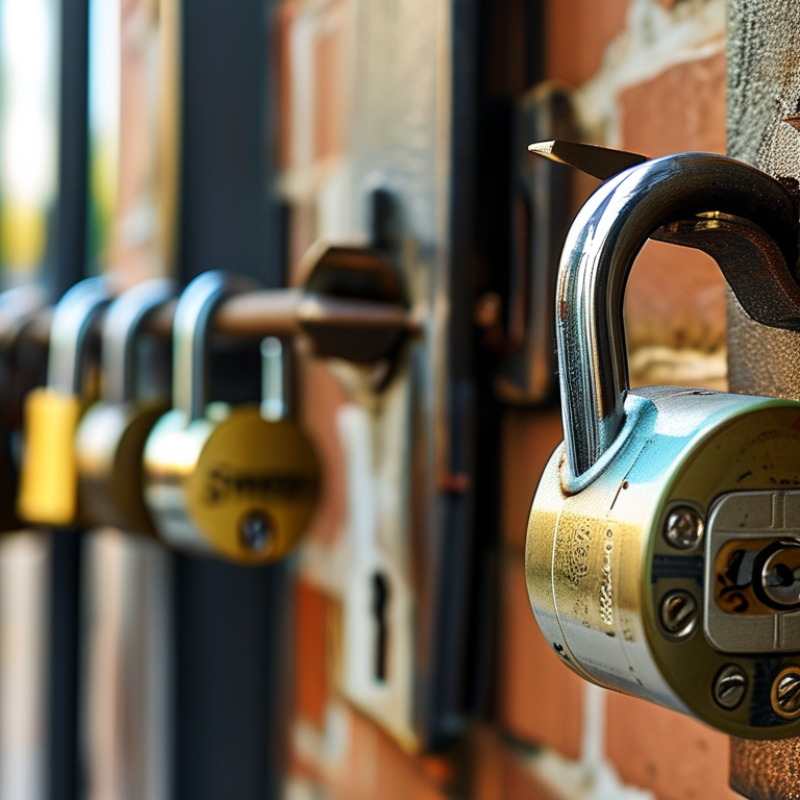
Understanding the Importance of Safety Padlock Hasps in Lockout/Tagout
In industrial settings, lockout/tagout (LOTO) procedures are crucial for worker safety. A safety padlock hasp is an essential component of this process. It allows multiple locks to be applied to a single energy-isolating device, ensuring that only authorized personnel can access hazardous equipment. According to the Occupational Safety and Health Administration (OSHA), proper lockout/tagout procedures can reduce workplace injuries by over 29%. This statistic underscores the need for an effective safety padlock hasp that meets specific operational requirements.
Choosing the right safety padlock hasp involves understanding its materials and design. For example, hasps made of durable materials can withstand harsh environments. A hasp with a high corrosion resistance rating can perform better in wet conditions. Research indicates that using high-quality hasps decreases the likelihood of equipment tampering, which can lead to accidents. Additionally, safety padlock hasps that offer a clear visual indicator of lock status can enhance compliance and improve safety culture in the workplace.
Despite the advantages, not all padlock hasps are created equal. Some may lack necessary features like tamper resistance or sufficient size for multiple locks. This can lead to unsafe conditions where unauthorized personnel access energy sources. Several industry reports highlight that ineffective lockout/tagout systems contribute to a significant amount of injuries annually, reinforcing the importance of selecting a reliable hasp. Thoughtfully evaluating these factors can save lives and promote a safer working environment.
Types of Safety Padlock Hasps: Materials and Designs Explained
When selecting a safety padlock hasp, understanding the different types available is crucial. They come in various materials like steel, aluminum, and plastic. Steel hasps provide superior strength, often preferred in industrial settings. Aluminum is lightweight and corrosion-resistant, making it suitable for outdoor use. Plastic options are often less expensive, ideal for low-risk environments.
Design also plays a significant role. For example, some hasps feature a versatile design that accommodates multiple padlocks, enhancing security. Others may offer a more compact form, which can be easier to manage in tight spaces. According to a recent safety report, nearly 40% of workplace accidents occur due to improper locking mechanisms. Thus, the right choice of hasp is directly linked to safety efficiency.
While there are many options, not every design will fit your specific needs. It's vital to assess the environment where the hasp will be used. Factors such as exposure to weather and the level of threat in the area should influence your choice. Sometimes, the most robust option might not be necessary, highlighting the importance of a thoughtful selection process based on actual risk levels.
Industry Standards and Regulations Impacting Safety Padlock Hasp Selection
Choosing the right safety padlock hasp is crucial for compliance with industry standards. Various organizations set these guidelines to ensure workplace safety. The Occupational Safety and Health Administration (OSHA) emphasizes the need for proper locking mechanisms. A staggering 88% of workplace accidents could be prevented with reliable safety measures.
Understanding these regulations can be complex. For instance, the American National Standards Institute (ANSI) outlines specific requirements for safety padlock hasps. Adhering to these standards can mean the difference between a safe work environment and potential hazards. Often, companies overlook the importance of proper hasps, leading to risks that could be easily mitigated.
In addition, the National Fire Protection Association (NFPA) suggests regular audits of locking devices. These audits highlight the importance of maintaining equipment as per the latest safety regulations. Regular checks can also expose flaws, prompting reconsideration and improvement of safety practices. For organizations, aligning with these standards is not just a legal obligation but a step toward fostering a culture of safety.
How Size and Capacity Affect the Effectiveness of Padlock Hasps
Choosing the right safety padlock hasp can significantly enhance security measures. Understanding size and capacity is vital. A padlock hasp that is too small compromises strength. Conversely, an oversized hasp may not fit securely. Industry reports suggest that 30% of thefts occur due to inadequate locking mechanisms. Hence, selecting an appropriate size is crucial for optimal protection.
Effective padlock hasps should match the security requirements of your application. Smaller hasps may suffice for low-risk areas. In contrast, high-risk zones require sturdier options with larger capacities. These strong hasps can accommodate thicker locks, making them harder to tamper with. Research indicates that using a hasp rated for at least three times the lock's strength can reduce the risk of break-ins by over 50%.
When choosing your padlock hasp, consider the environmental conditions. Factors like exposure to moisture or extreme temperatures can affect materials. Rust-resistant options might be necessary for outdoor use. Reflect on your unique needs; a one-size-fits-all solution rarely provides the best security outcome. Proper fit can often be overlooked, leading to vulnerabilities. Additionally, perform regular checks to ensure everything remains secure.
Best Practices for Implementing Safety Padlock Hasps in Work Environments
Choosing the right safety padlock hasp can significantly influence workplace safety. Implementing these hasps in your environment requires a thoughtful approach. Assess the specific needs of your team first. Not every hasp is suitable for every situation. For instance, consider areas with high foot traffic versus isolated zones. Each setting has distinct demands.
Educate your employees on proper usage. Misunderstandings about safety procedures can lead to accidents. Hold training sessions that emphasize the importance of these devices. Use real-life scenarios to illustrate possible risks and how hasps can mitigate them. An informed team is a safer team.
Regularly review your safety protocols. Over time, work environments change. New machinery or workflows might require different hasps. Engage with your staff to receive feedback. They may identify gaps in your current system. Safety is a collective responsibility. A proactive stance fosters a culture of safety awareness and collaboration.