


Top 10 Vacuum Hydrocarbon Cleaning Machine Makers in China
Choosing a vacuum hydrocarbon cleaning machine is a practical decision, not a catalog exercise. The right system must remove oil from real parts, reach narrow passages, and dry components without leaving visible residue. Cycle time matters. So do chamber size, basket loading, filtration, and maintenance access. A polished brochure cannot prove long-term performance.
Grand View Research’s industrial cleaning equipment market analysis provides useful context on equipment demand and automation, while MarketsandMarkets’ industrial solvents market analysis helps frame solvent-related industry trends. These reports cover broader markets, not Chinese hydrocarbon cleaning machines alone. That distinction matters. Their findings should guide questions, not substitute for supplier verification. Buyers should request documented test conditions, material compatibility guidance, service arrangements, and clear information about process controls. Ask what was cleaned, how cleanliness was measured, and whether results can be repeated.
This guide introduces ten Vacuum Hydrocarbon Cleaning Machine Manufacturers in China. It considers machine design, available configurations, technical support, and the evidence companies provide for their claims. Details matter. A stainless-steel chamber, a sealed loading door, and a clearly described drying stage can reveal more than a broad performance promise. The list is a starting point, not a certified ranking. Company information and product ranges can change, and a supplier that suits one factory may not suit another. Some comparisons remain imperfect. Verify specifications directly, and match each machine to the parts, soils, throughput, and quality checks in your own production line.
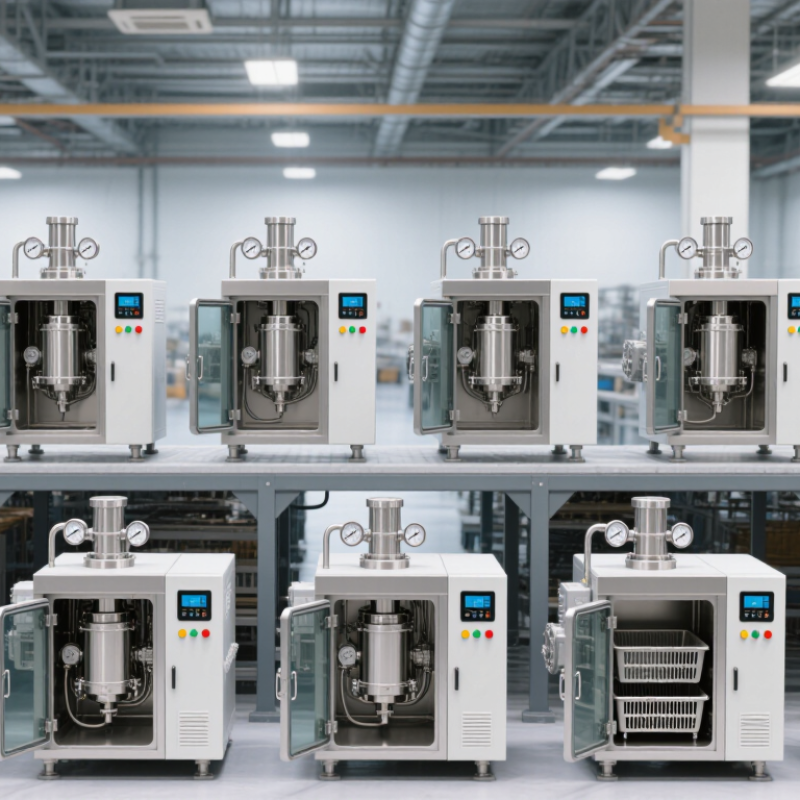
Vacuum Hydrocarbon Cleaning: Principles, Process Stages, and 10–100 mbar Operation
Vacuum hydrocarbon cleaning uses a closed chamber and a low-residue hydrocarbon solvent to remove oils, grease, and machining films. The chamber is evacuated before cleaning, helping the solvent reach narrow gaps and displace trapped air. Pressure readings should be treated as absolute pressure; 10–100 mbar is a common operating range, not a universal setting. Small changes matter.
A typical cycle starts with loading parts into a basket and closing the chamber. The system evacuates air, introduces solvent, and cleans by immersion, spray, or circulation. Some machines add ultrasonic agitation for blind holes and fine passages. The used solvent is drained and filtered, then a rinse stage removes loosened residue. Vacuum drying helps evaporate remaining solvent, which is condensed and recovered. Check parts for water-sensitive materials and trapped pockets.
At 10–100 mbar, reduced pressure lowers the boiling point of the solvent and supports drying at moderate temperatures. Lower pressure is not automatically better: foaming, load geometry, solvent condition, and cycle time all affect results. A heavy basket may dry unevenly, even when the gauge looks steady. Operators should validate cleanliness on representative parts and verify seals, filtration, and solvent recovery. There is no perfect cycle; small batches often reveal problems that production runs hide.
Top 10 Vacuum Hydrocarbon Cleaning Machine Makers in China - Vacuum Hydrocarbon Cleaning: Principles, Process Stages, and 10–100 mbar Operation
Technical reference: The entries below describe common system functions and process considerations, not individual manufacturers or a company ranking. Pressure values are absolute pressure unless otherwise stated.
| No. | System Area or Process Stage | Typical Technical Consideration | Purpose in the Cleaning Cycle | What to Verify |
|---|---|---|---|---|
| 1 | Vacuum chamber | A sealed chamber is evacuated to the process setpoint; 10–100 mbar is a common range for vacuum-based process steps, though the required pressure depends on the workpiece and solvent. | Reduces trapped air and helps the cleaning medium reach cavities and enclosed passages. | Confirm chamber leak rate, usable chamber volume, door interlocks, and the pressure measurement range. |
| 2 | Initial evacuation | The chamber is pumped down before solvent exposure. Pump-down time varies with chamber volume, load, plumbing, and vacuum-pump capacity. | Removes much of the air from the chamber and accessible workpiece spaces. | Check the pressure curve under a representative production load, not only with an empty chamber. |
| 3 | Hydrocarbon wash | Liquid hydrocarbon solvent is circulated, sprayed, or used for immersion. Solvent choice and wash temperature must suit the soil and component materials. | Dissolves oils, greases, and other compatible non-polar contaminants. | Validate solvent compatibility, flow coverage, soil-removal performance, and residue limits. |
| 4 | Ultrasonic assistance | Some systems apply ultrasonic energy in a liquid wash tank. Frequency and power density are selected for the part geometry and sensitivity. | Can help remove particles and contamination from accessible recesses and complex surfaces. | Confirm that ultrasonic treatment is suitable for delicate parts and does not damage coatings or assemblies. |
| 5 | Drain and solvent recovery | After washing, liquid drains back to a collection or storage tank. Drain time depends on part orientation, surface area, and geometry. | Limits solvent carryover into later stages and supports recovery for reuse. | Review drainage paths, tank separation, filtration, and measures for preventing cross-contamination. |
| 6 | Rinse stage | A rinse may use cleaner or distilled solvent, depending on the process design. Not every application requires a separate rinse. | Removes dissolved soil and residual contamination left by the wash stage. | Set rinse frequency and solvent-quality limits using cleanliness testing and production results. |
| 7 | Vapor or heated-solvent rinse | Some processes use solvent vapor generated in a controlled zone. Vapor conditions depend on the solvent’s properties and system design. | Provides a final rinse and can promote uniform solvent contact on cooler workpiece surfaces. | Verify vapor containment, temperature control, condensation management, and the applicable solvent safety requirements. |
| 8 | Vacuum drying | Reduced pressure can lower the boiling temperature of volatile liquids. Drying pressure, heat input, and time must be matched to the solvent and load. | Removes residual solvent from surfaces and accessible cavities. | Confirm dryness using an appropriate method, such as residual-solvent testing or a validated mass-loss criterion. |
| 9 | Condensation and solvent recovery | Vapor may be cooled in a condenser and returned to a recovery tank. Recovery performance depends on condenser capacity and operating conditions. | Reduces solvent loss and helps limit vapor reaching the vacuum-pump exhaust. | Check condenser performance, recovered-solvent quality, tank capacity, and exhaust treatment arrangements. |
| 10 | Controls and safety systems | Automated recipes commonly control valves, pumps, temperatures, pressure stages, and cycle timing. Hydrocarbon solvents require appropriate fire and exposure controls. | Supports repeatable cycles and helps protect operators, equipment, and the work environment. | Review alarms, interlocks, grounding, ventilation, solvent handling, maintenance procedures, and local regulatory compliance. |
Newsletter
Subscribe to our newsletter and receive the latest news and exclusive insights every month. No spam.

LabConsulting GmbH and LC LabService GmbH are Austrian companies which cooperate with over 600 manufacturers and offers a selection of more than 180,000 products and various laboratory product and service solutions for our Labcustomers.
Die LabConsulting GmbH und die LC LabService GmbH sind österreichische Unternehmen, die mit über 600 global verteilten Herstellern zusammenarbeiten und mit einer Auswahl von mehr als 180.000 Produkten und verschiedenen Laborprodukt- und Servicelösungen unseren Parnern im Labor anbieten.
INSTOCK CATALOG


Our services
Our services

