



Where to Buy Top Refurbished Laboratory Equipment in China?
Finding reliable refurbished laboratory equipment in China requires more than comparing prices online. Buyers should examine supplier experience, technical capabilities, inspection records, and after-sales support. A polished website is useful, but it cannot replace evidence from real equipment.
Experienced suppliers usually provide clear model numbers, manufacturing dates, service histories, and photographs of key components. Ask whether engineers test temperature stability, vacuum performance, electrical safety, or measurement accuracy before shipment. Calibration certificates should identify the testing method and issuing laboratory. These details matter when selecting centrifuges, incubators, microscopes, analytical instruments, or other laboratory systems.
Look for suppliers that explain refurbishment steps honestly. Components may be replaced, repaired, cleaned, or upgraded. The differences should be documented, not hidden behind vague terms. Request a video showing the equipment operating under normal conditions. A reliable company should also discuss packaging, installation guidance, spare parts, warranty coverage, and remote troubleshooting.
No supplier is perfect. Some product pages may contain outdated specifications, and communication can occasionally be incomplete. Buyers should confirm every critical detail in writing before payment. Independent inspection can provide extra confidence for expensive equipment. It is also wise to compare several quotations rather than trusting the lowest offer.
This guide explores where to buy refurbished laboratory equipment in China and how to assess each supplier professionally. It focuses on practical verification, responsible purchasing, and long-term usability. The best choice is not always the newest-looking machine. It is equipment with a traceable history, verified performance, and support that remains available after delivery.
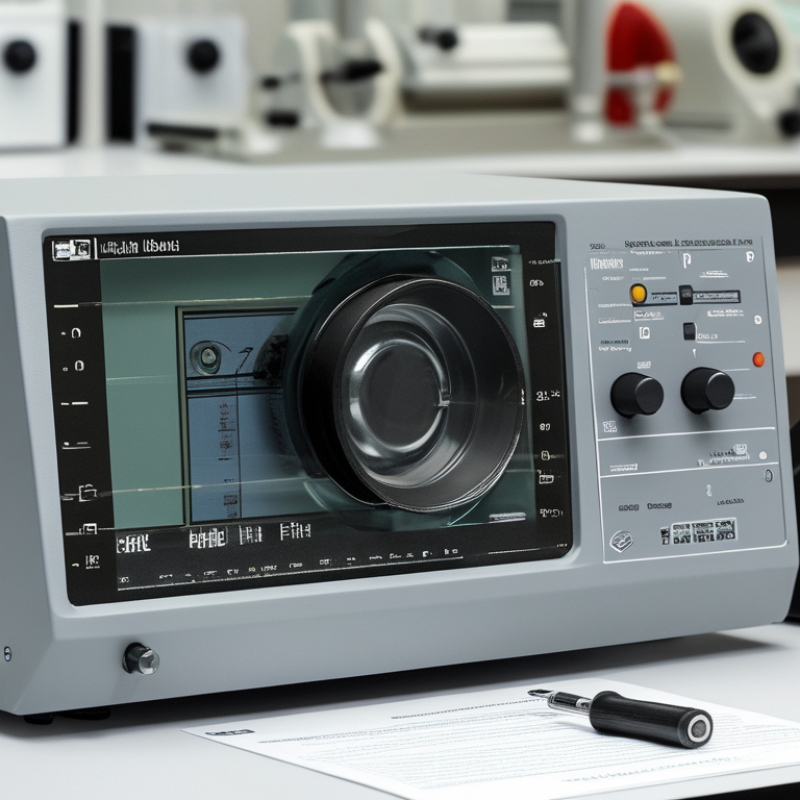
Assess China’s Refurbished Lab-Equipment Market with 2024 CAGR Data
China’s refurbished laboratory-equipment market gained attention in 2024. Industry reports commonly estimated a compound annual growth rate of about 7% to 10%, depending on equipment type and research scope. This range needs careful reading. Some reports combine medical, educational, and industrial instruments, which can distort laboratory-specific results.
Demand is strongest for analytical instruments, centrifuges, incubators, microscopes, and general testing systems. Buyers often purchase through specialized refurbishment workshops, certified equipment distributors, laboratory auctions, and established online marketplaces. Reliable sellers should provide serial-number records, repair histories, calibration certificates, and clear equipment photographs. Ask for test results using real samples, not only a power-on demonstration.
A practical inspection starts with the housing, cables, seals, display, and moving parts. Check temperature stability over several hours. For optical systems, inspect the lamp history and baseline noise. For pumps, record pressure performance under load. These details matter more than polished listings. However, refurbished equipment is not automatically equal to new equipment. Some sellers may offer incomplete maintenance records. That is a warning sign.
CAGR figures also deserve skepticism. Exchange rates, import policies, laboratory investment cycles, and inconsistent market definitions can change the result. A 2024 estimate is useful for planning, but it cannot replace supplier verification. Buyers should compare warranty length, spare-part access, installation support, and local service response before placing an order. The cheapest unit may create expensive downtime later.
Where to Buy Top Refurbished Laboratory Equipment in China? — Assess China’s Refurbished Lab-Equipment Market with 2024 CAGR Data
| Equipment Category | Typical Refurbished Purchase Range in China (RMB) | 2024 Market-Growth Benchmark | Main Buyer Segments | Refurbishment Checks Required | Market Assessment |
|---|---|---|---|---|---|
| Optical Microscopes | ¥8,000–¥180,000 | 5%–8% CAGR benchmark | Universities, clinical laboratories, materials laboratories, manufacturing quality-control departments | Optical alignment, illumination uniformity, stage accuracy, camera compatibility, objective condition | One of the easiest categories to source second-hand because basic models have long service lives and relatively low operating complexity. |
| Laboratory Centrifuges | ¥6,000–¥150,000 | 6%–9% CAGR benchmark | Biology laboratories, hospitals, pharmaceutical research, food and environmental testing | Rotor integrity, maximum speed, temperature control, imbalance protection, lid-lock safety and service records | Refurbished demand is supported by the broad user base; rotor age and safety testing have a major effect on resale value. |
| UV-Visible Spectrophotometers | ¥10,000–¥120,000 | 5%–7% CAGR benchmark | Water testing, food analysis, teaching laboratories, pharmaceutical quality control | Wavelength accuracy, photometric accuracy, lamp hours, baseline stability, cuvette compartment and software status | A practical entry point for laboratories with routine analytical workloads and limited capital budgets. |
| High-Performance Liquid Chromatography Systems | ¥40,000–¥450,000 | 6%–9% CAGR benchmark | Pharmaceutical testing, chemical analysis, food safety, academic research | Pump pressure stability, injector precision, detector response, leak testing, column-oven performance and data-system licensing | Strong refurbishment potential, but the total cost must include replacement seals, lamps, tubing, software and installation. |
| Gas Chromatography Systems | ¥35,000–¥350,000 | 5%–8% CAGR benchmark | Petrochemical testing, environmental laboratories, forensic analysis, food and flavor testing | Carrier-gas leakage, oven uniformity, detector sensitivity, injector condition, temperature calibration and gas-safety controls | Suitable for cost-sensitive laboratories when the detector and injector modules are fully tested before shipment. |
| Mass Spectrometry Systems | ¥180,000–¥1,500,000+ | 7%–11% CAGR benchmark | Clinical research, pharmaceutical development, metabolomics, proteomics and advanced chemical analysis | Vacuum performance, source cleanliness, detector response, mass calibration, pump condition, software and application qualification | Offers substantial capital savings, but technical verification and post-sale support are more important than the headline purchase price. |
| PCR and Real-Time PCR Systems | ¥25,000–¥280,000 | 7%–10% CAGR benchmark | Molecular biology, infectious-disease research, agricultural testing, food safety and academic laboratories | Thermal uniformity, optical-channel verification, fluorescence calibration, block condition, software compatibility and contamination control | Demand remains diversified, while refurbishment quality depends heavily on calibration records and the availability of compatible consumables. |
| Laboratory Incubators | ¥5,000–¥90,000 | 4%–7% CAGR benchmark | Cell culture, microbiology, food testing, pharmaceutical research and teaching laboratories | Temperature uniformity, humidity control, CO₂ accuracy, door-seal condition, contamination removal and alarm testing | Generally economical to refurbish; internal corrosion, contamination history and sensor replacement should be checked carefully. |
| Laboratory Autoclaves | ¥20,000–¥220,000 | 5%–8% CAGR benchmark | Hospitals, universities, pharmaceutical facilities, biotechnology laboratories and food laboratories | Chamber integrity, pressure-vessel documentation, temperature mapping, safety valves, door gasket and cycle validation | Can provide strong value for routine sterilization, but compliance documentation and pressure-safety inspection are essential. |
| Ultra-Low-Temperature Freezers | ¥25,000–¥160,000 | 6%–9% CAGR benchmark | Biobanks, hospitals, biotechnology laboratories, universities and pharmaceutical research | Temperature recovery, compressor performance, vacuum-panel condition, alarm system, gasket sealing and power-failure protection | Refurbished units may reduce upfront cost substantially, but energy consumption and compressor age should be included in lifecycle calculations. |
Related Posts
-
What is Refurbished Laboratory Equipment and How Does It Benefit You?
-

2026 Top Trends in Second Hand Laboratory Equipment for Science Professionals?
-
Top 10 Refurbished Laboratory Equipment Buyers Guide?
-
Essential Lab Equipment List for Global Buyers?
-
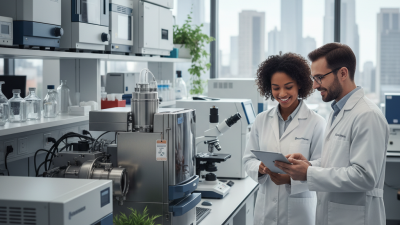
2026 How to Buy Refurbished Laboratory Equipment Efficiently?
-
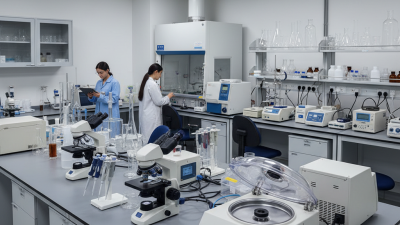
What is a Comprehensive Lab Equipment List for Scientific Research?
Newsletter
Subscribe to our newsletter and receive the latest news and exclusive insights every month. No spam.

LabConsulting GmbH and LC LabService GmbH are Austrian companies which cooperate with over 600 manufacturers and offers a selection of more than 180,000 products and various laboratory product and service solutions for our Labcustomers.
Die LabConsulting GmbH und die LC LabService GmbH sind österreichische Unternehmen, die mit über 600 global verteilten Herstellern zusammenarbeiten und mit einer Auswahl von mehr als 180.000 Produkten und verschiedenen Laborprodukt- und Servicelösungen unseren Parnern im Labor anbieten.
INSTOCK CATALOG


Our services
Our services

