What is the Best Orthodontic Adhesive System for Braces?
In the world of orthodontics, the choice of an effective Orthodontic Adhesive System is crucial. Dr. Sarah Miller, a leading orthodontist, emphasizes, “The right adhesive can significantly impact the duration and effectiveness of treatment.” This underscores the importance of selecting a reliable system for braces.
Orthodontic adhesives must provide strong bonding while allowing for easy bracket removal later. This balance is challenging to achieve. Many practitioners often debate which adhesive system performs best under various conditions. Factors like moisture control, patient sensitivity, and ease of application play critical roles.
Some adhesives may bond too aggressively, creating stress on the enamel. Others might lack the necessary strength, leading to premature bracket failure. It's vital for orthodontists to evaluate their options carefully. Each design has strengths and weaknesses that can affect treatment outcomes. The journey to finding the perfect Orthodontic Adhesive System continues, with no one-size-fits-all solution available. Each case demands specific consideration.
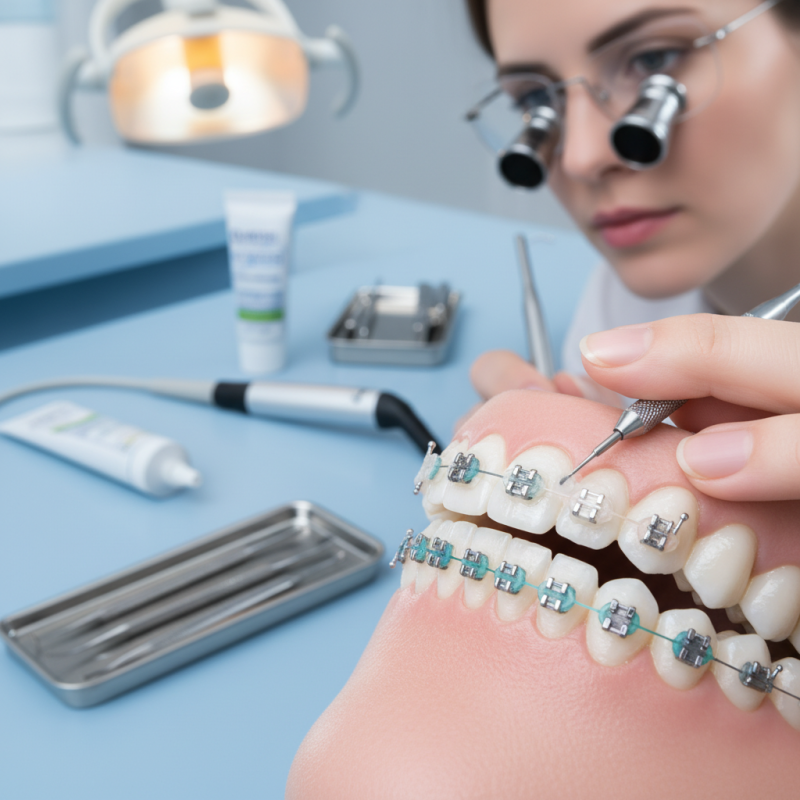
Types of Orthodontic Adhesive Systems Used for Braces
When considering orthodontic adhesive systems for braces, it's essential to know the different types available. Commonly used adhesives include resin-based systems and glass ionomer cements. Resin-based adhesives are known for their strong bond and durability. They can be very effective, but sometimes they can be a bit difficult to remove after treatment. Many orthodontists struggle with this issue.
Glass ionomer cements, on the other hand, offer a different set of advantages. They release fluoride, which can be beneficial for oral health. However, their bond strength is generally lower than that of resin-based systems. This might pose a challenge for certain patients. In some cases, the adhesive may fail unexpectedly, leading to unwanted repositioning of brackets. Regular monitoring is essential to mitigate these risks.
Each adhesive system has its pros and cons, leaving orthodontists to weigh their options carefully. The choice can depend on factors like patient age, treatment duration, and oral hygiene habits. Finding the right balance is crucial. It's a trial-and-error process that requires thoughtful consideration and adjustments.
Key Factors to Consider When Choosing an Orthodontic Adhesive
Choosing the right orthodontic adhesive is crucial for effective brace placement. The strength of the adhesive affects how well the brackets hold. A strong bond is essential for preventing issues during treatment. You will want to consider the longevity of the adhesive. Some adhesives may degrade over time, leading to bracket failures.
Another factor is the ease of removal. After treatment, brackets need to be taken off without damaging teeth. A good adhesive should offer both a robust bond during use and simple removal later. Some products allow for quicker adjustments, which can save time in the orthodontic chair. However, a quicker bond application may also lead to more frequent repair needs.
You must ensure that the adhesive meets safety regulations, particularly for individual sensitivities. Some patients may react badly to specific components. It's important to test and find the best fit for each patient's needs. Experimentation with different products can be enlightening but challenging. Achieving the perfect balance between strength, ease of use, and safety is often a process of trial and error.
Advantages and Disadvantages of Different Adhesive Systems
Choosing the right orthodontic adhesive system is crucial for effective brace application. There are several options, each with its own advantages and disadvantages. For example, light-cured adhesive systems are popular. They offer strong bonding and easy cleanup. However, they require a curing light and can be time-consuming during application.
Another option is self-etching adhesive. This type simplifies the preparation process. It's less technique-sensitive, making it easier for less experienced practitioners. Yet, it may not provide the same bond strength as traditional adhesives. Some orthodontists argue that self-etching adhesives can lead to potential sensitivity issues for patients.
Lastly, we have conventional adhesive systems. They are reliable and have been used for years. Their drawbacks include the need for multiple steps and longer chair time. Additionally, the removal process can sometimes be messy, leaving residue on teeth. Each system requires careful consideration based on the specific needs of the patient and the orthodontist's skill.
What is the Best Orthodontic Adhesive System for Braces? - Advantages and Disadvantages of Different Adhesive Systems
| Adhesive System | Advantages | Disadvantages |
| Transbond XT | Excellent bond strength, good handling properties, and moisture tolerant. | May be more expensive than other options, requires special curing light. |
| RMO Ortho-Force | Easy to use and provides good bond strength. | Potential for slower curing time under certain conditions. |
| Gemini | Reliable bond and easy cleanup process. | May not perform well in high moisture environments. |
| Orthosol | Good aesthetics and bond strength with a minimal curing time. | Less widely available compared to other systems. |
Comparative Analysis of Popular Orthodontic Adhesives in the Market
When choosing an orthodontic adhesive system for braces, several options are available. Each adhesive has unique properties that can affect the overall treatment experience. Factors like bond strength, setting time, and ease of removal play significant roles in their effectiveness. Some adhesives set quickly, which can be beneficial during busy clinic hours. Others may require more time to cure, leading to potential delays in treatment.
However, concerns arise with different materials. Some adhesives may weaken over time, making it necessary for orthodontists to monitor them closely. The removal process can also be challenging, especially with certain formulations. An adhesive that bonds well initially might create difficulties later on. It's important for practitioners to regularly assess the performance of the adhesive systems used.
User comfort is another aspect that needs consideration. Some patients may experience sensitivity or discomfort with specific adhesives. Finding a balance between strength and patient comfort is essential yet often overlooked. Additionally, the environmental impact of adhesive materials is becoming a topic of discussion in the industry. Overall, the choice of an orthodontic adhesive system requires careful thought and continuous evaluation for optimal outcomes.
Best Practices for Application and Removal of Orthodontic Adhesives
When applying orthodontic adhesives for braces, precise technique is crucial. Start by ensuring that teeth are clean and dry. A well-prepared surface enhances bonding strength. Use a light curing unit to harden the adhesive. It’s essential to check the curing time. Over or under-curing can weaken the bond, leading to potential issues later.
Removing orthodontic adhesives is equally important. Use specialized removal tools to ensure safety. Be gentle to avoid damaging the enamel. Sometimes, remnants of the adhesive remain. This can complicate the process and cause frustration for both patients and orthodontists. A thorough follow-up visit can address any residual adhesive. It’s an opportunity for reflection on the process. Each case is unique, and strategies may need adjustments for better outcomes in future applications.
Orthodontic Adhesive Systems Performance Comparison