What Is the Best Electric Block Machine in China?
Choosing the best Electric Block Machine in China is not simply a matter of comparing prices or advertised output. The right choice depends on the blocks you need, your available space, and the consistency of your materials. A machine designed for standard hollow blocks may not suit paving stones or specialized shapes. Start with your product requirements.
Compare practical details, including mold options, vibration strength, hydraulic components, control systems, and the time needed to change molds. Ask suppliers for production figures based on a clearly stated block size and operating schedule. Rated capacity can differ from everyday output. A short factory demonstration can reveal how evenly the machine feeds material, how quickly it cycles, and whether finished blocks have clean edges. Small details matter.
Also check operator training, maintenance guidance, spare-part availability, and the supplier’s response process. Request references or documented examples from installations with similar products and operating conditions. Verify what is included in the quotation, such as mixers, pallets, installation support, or commissioning. These items affect the real cost of ownership. No machine is perfect.
Even a careful comparison has limits: soil, cement, aggregate, and operator practices all influence results. Treat performance claims as questions to verify, not guarantees. This guide explores the main machine types, evaluation criteria, and supplier checks that can help buyers make a more informed decision. It also considers where a lower purchase price may create extra work later.
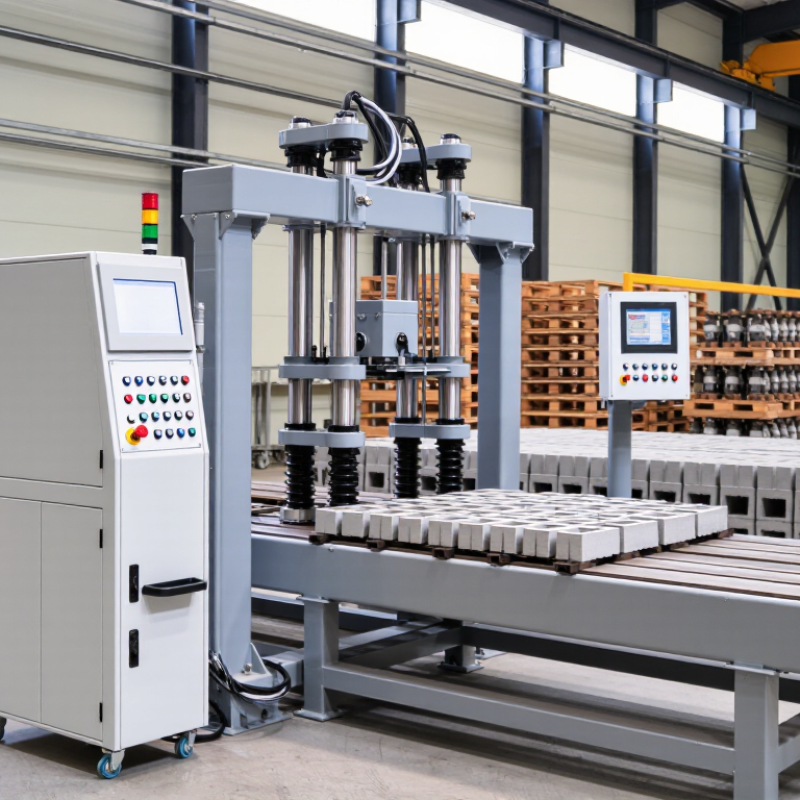
How Electric Block Machines Work: Feeding, Vibration, Pressing, and Curing
An electric block machine converts a prepared concrete mix into uniform units through controlled feeding, vibration, and pressing. The feed system spreads material into the mold; uneven filling can leave one corner low or create weak edges. Watch the mix, too. If it is overly wet, blocks may slump after release; if too dry, corners can crumble.
Vibration helps particles settle and reduces trapped air. The right setting depends on the mix, mold, and machine, so a fixed cycle is not always ideal. Small details matter. Operators can check sample blocks for density, dimensions, and visible cracks, then adjust feed quantity or vibration time. Pressing compacts the mix against the mold, giving each block its shape. Excessive pressure is not a shortcut to better quality; it may strain equipment or produce inconsistent results.
After demolding, blocks need careful curing to gain strength. Keep them protected from rapid drying, and follow a suitable schedule for the mix and local conditions. Curing is easy to underestimate. A machine may form crisp-looking blocks, but appearance alone does not confirm strength. When comparing electric block machines in China, consider adjustable settings, stable cycle performance, mold options, and access to practical operating guidance. A short production trial can reveal issues that a specification sheet may miss.
Which Machine Types Suit Hollow Blocks, Solid Blocks, and Pavers?
Hollow blocks need a machine that fills narrow cores evenly without dragging the mix out of shape. A stationary hydraulic press with strong, adjustable vibration and interchangeable core molds suits this work. ASTM C90-22 sets a minimum average net-area compressive strength of 2,000 psi for loadbearing concrete masonry units. That makes consistent compaction and stable block dimensions more important than headline cycle speed.
Solid blocks contain more concrete and need firm, even compaction across the mold. A high-pressure hydraulic system can help produce dense units, but overly aggressive vibration may cause uneven surfaces or sticking. It matters. For mixed production, check how quickly operators can change molds and reset vibration settings; downtime is easy to underestimate.
Pavers call for precise thickness, sharp edges, and uniform face texture. A dry-cast press with controlled, high-frequency vibration and a dedicated paver mold is usually a better fit than a general-purpose setup. ASTM C936/C936M requires an average compressive strength of 8,000 psi and average water absorption no greater than 5 percent for concrete pavers. Those targets demand reliable batching as well as pressing. Not just speed. I would test samples using the actual local aggregate and cement mix before choosing; catalog figures cannot show every production issue.
What Is the Best Electric Block Machine in China?
Typical suitability for hollow blocks, solid blocks, and pavers
The best choice depends on product mix, required automation, and available floor space. Ratings are a qualitative selection guide, not measured production data; actual capability depends on the machine configuration, mold, and mix design.
How ASTM C90’s 13.8 MPa Strength Benchmark Guides Machine Selection
When comparing electric block machines in China, treat 13.8 MPa as a finished-unit benchmark, not a machine rating. ASTM C90-22 specifies a minimum average net-area compressive strength of 2,000 psi (13.8 MPa) for loadbearing concrete masonry units, based on three units. ASTM C140/C140M provides the sampling and test methods. That distinction matters. A powerful motor alone cannot guarantee the result: mix grading, water content, compaction, mold wear, and curing all affect measured strength. Request traceable test reports for blocks made with your intended mix and mold.
During a plant trial, record moisture, cycle time, vibration settings, and curing conditions, then test representative units. Compare both average and individual results with the applicable C90 edition and project requirements. Inspect dimensions, edges, and density too; strength alone cannot show whether production is consistent. Check that filling stays even across mold cavities at the planned operating speed. A quieter cycle may be appealing, but repeatability matters more. Supplier samples can look excellent while routine shifts drift. Require repeat trials and independent laboratory verification before purchase.
How Supplier Support, Spare Parts, and Service Shape Ownership Costs
What Is the Best Electric Block Machine in China?
How Supplier Support, Spare Parts, and Service Shape Ownership Costs
The best electric block machine is not always the one with the lowest purchase price. Ownership costs also depend on how quickly a supplier answers technical questions and ships replacement parts. A machine may run smoothly during installation, then lose production time when a small sensor or hydraulic seal fails. Ask for a parts list with prices and typical delivery times before buying. Check whether the supplier offers clear wiring diagrams, operating instructions, and remote troubleshooting. These details are easy to overlook. They matter when a machine is making noise on a busy production day.
Tips: Request a written service plan. Confirm which parts are stocked locally, and ask how support works after the warranty ends. Keep common wear parts on site, such as seals and switches.
Compare suppliers using practical scenarios, not broad promises. Ask how they would diagnose uneven block height or a motor that trips under load. A useful answer should identify checks an operator can perform safely and explain when a technician is needed. If possible, speak with a current customer using a similar production setup. Service quality can vary, even within one supplier’s network. I would also leave room for uncertainty: delivery estimates and response times may change. Record agreed terms in writing, then compare expected downtime alongside machine price.


