Best Calcium Hydroxide Food Grade for Global Buyers?
The demand for Calcium Hydroxide Food grade is rising globally. This compound plays a critical role in food processing and preservation. According to a recent industry report, the market for food-grade calcium hydroxide is projected to reach $300 million by 2027. Its applications extend from dairy products to various pickling processes.
In the food industry, quality and safety are paramount. Calcium Hydroxide Food Grade serves as an acidity regulator and firming agent. However, buyers must ensure they source from reputable suppliers. Not all products labeled "food grade" meet the required safety standards. For instance, inferior quality calcium hydroxide can lead to health risks. The FDA emphasizes rigorous testing for food-grade additives.
Choosing the best Calcium Hydroxide Food Grade involves diligent research. Buyers should analyze supplier credentials and product certifications. Despite the proven benefits, potential contamination is a genuine concern. Therefore, only trusted suppliers with a track record should be considered.
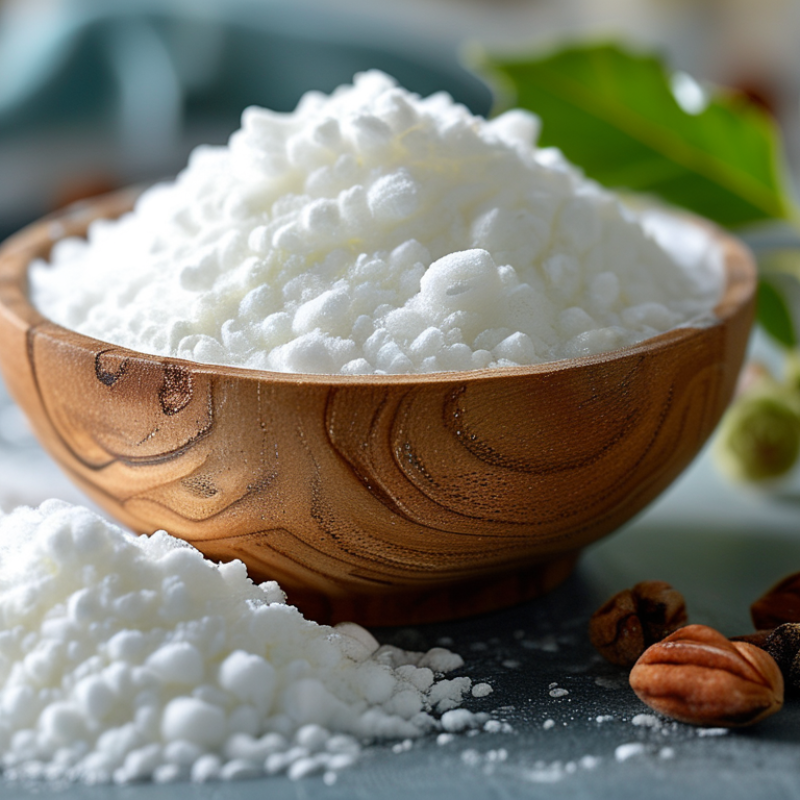
What is Calcium Hydroxide and Its Uses in Food Industry?
Calcium hydroxide, also known as slaked lime, plays a significant role in the food industry. It is commonly used for food preservation and processing. This compound helps maintain the crispness in fruits and vegetables. It aids in the development of a firm texture, making it ideal for products like pickles or canned goods.
Notably, calcium hydroxide is safe for consumption when used correctly. However, incorrect usage can lead to undesirable effects. Maintaining proper dosage is crucial. This substance can also be involved in the preparation of traditional foods, such as tortillas, where it assists in the nixtamalization process. Its ability to increase pH is essential for food safety.
Despite its benefits, reliance on this compound invites scrutiny. Some might question its need in the food supply chain. As consumers become more health-conscious, the demand for natural alternatives rises. It leads to ongoing discussions about the role of additives like calcium hydroxide in food production. Balancing tradition with modern practices remains a challenge for food manufacturers today.
Factors to Consider When Choosing Food Grade Calcium Hydroxide
When choosing food grade calcium hydroxide, several crucial factors must be considered. The purity level is paramount. According to industry standards, food grade calcium hydroxide should contain at least 95% pure calcium hydroxide. High purity ensures safety and efficacy in various applications, such as food processing and preservation.
The particle size also plays a significant role. Finer particles enhance solubility and accessibility, which are vital for effective use. Research shows that smaller particle sizes improve reactivity, making the substance more effective in food applications. Buyers should also inquire about the source of the material. Natural, sustainably sourced ingredients are increasingly preferred in the food industry.
Tip: Always request a certificate of analysis. This document confirms the product’s compliance with food safety regulations. It provides assurance of the quality and safety of the calcium hydroxide being used.
Another aspect to consider is the storage conditions. Improper storage can lead to contamination, affecting the product's quality. Consider suppliers who prioritize proper handling and storage. Transparency in these practices reflects a supplier's reliability.
Tip: Visit suppliers’ facilities if possible. Seeing their operations can help you gauge their commitment to quality and safety.
Best Calcium Hydroxide Food Grade for Global Buyers
| Attribute | Details |
| Purity Level | 99% and above |
| Appearance | White powder |
| Solubility | Slightly soluble in cold water |
| Applications | Food processing, pH regulation |
| Safety Standards | FDA compliant |
| Storage Conditions | Store in a cool, dry place |
| Shelf Life | 2 years minimum |
Top Suppliers for Calcium Hydroxide: A Global Overview
When seeking reliable suppliers of food-grade calcium hydroxide, various factors should be considered. The global market has seen significant growth, estimated to reach USD 600 million by 2025, according to industry reports. This demand is primarily driven by food applications, where purity and safety are paramount.
Top suppliers often ensure rigorous quality standards. They conduct multiple tests for contaminants and maintain certifications that align with global safety regulations. Reports indicate that about 75% of companies in this sector prioritize stringent quality control. This commitment to quality helps build trust with buyers.
Geographical considerations also play a role in sourcing. Regions like North America and Europe are leading in production due to advanced technologies. However, emerging markets in Asia-Pacific are gaining traction. Their potential for scalability is notable, but challenges like regulatory compliance must be addressed. Suppliers must continuously refine their processes to meet evolving industry standards.
Global Calcium Hydroxide Food Grade Suppliers Overview
Health and Safety Guidelines for Using Calcium Hydroxide in Foods
Calcium hydroxide, commonly used in food processing, must adhere to strict health and safety guidelines. According to a 2021 report by the European Food Safety Authority, calcium hydroxide should not exceed 0.5% of total food weight. This limit helps prevent potential toxicity from excessive consumption.
Using calcium hydroxide safely requires careful handling. It can cause irritation to skin and eyes. Proper protective equipment is essential. The Occupational Safety and Health Administration (OSHA) recommends gloves and eye protection when working with this chemical. Its use in food applications, like preserving fruits, needs thorough washing after treatment to avoid residues.
Consumer awareness is crucial. Many are unaware of additives in their foods. Regulatory bodies, such as the FDA, emphasize labeling to inform consumers. Studies show a significant portion of buyers prefer naturally sourced ingredients. This shift underlines the importance of transparency in food manufacturing practices. While calcium hydroxide can enhance food safety and longevity, its presence raises questions about processing standards. The industry must balance safety and consumer trust.
Benefits of Using Food Grade Calcium Hydroxide in Food Processing
Calcium hydroxide, often used in food processing, offers several benefits. Its versatility makes it an essential ingredient for various applications. For instance, it is widely used in the preparation of traditional foods, such as tortillas and certain types of pickles.
One primary benefit of food grade calcium hydroxide is its ability to improve texture. It enhances the crispness of fruits and vegetables, making them more appealing. Moreover, it can help in the extraction of certain flavors. This not only elevates taste but also maintains a longer shelf life.
Another aspect to consider is safety. Using food grade calcium hydroxide is generally regarded as safe in approved amounts. However, it’s crucial to maintain proper usage levels to avoid potential health risks. Many processors may overlook the importance of sourcing high-quality calcium hydroxide. This step is vital to ensure the end product's safety and effectiveness.