What is the Best Akron Abrasion Tester for Global Buyers?
In the world of material testing, the Akron Abrasion Tester stands out. This device is essential for assessing the wear resistance of various materials. Buyers globally seek reliable testing equipment to ensure product quality.
Choosing the right Akron Abrasion Tester can be daunting. The market is filled with options, each claiming superior performance. Some may lack the precision required for accurate results. Others may not meet international standards. It’s crucial to understand your specific testing needs. This understanding will guide you in selecting the best model.
This article explores various Akron Abrasion Tester options, analyzing their features and benefits. We will discuss the importance of accuracy and consistency. Understanding these factors is key for making informed decisions. The choices can significantly impact the durability of materials tested. Engaging with industry experts can enhance your understanding further.
Understanding the Akron Abrasion Tester and Its Importance in Testing
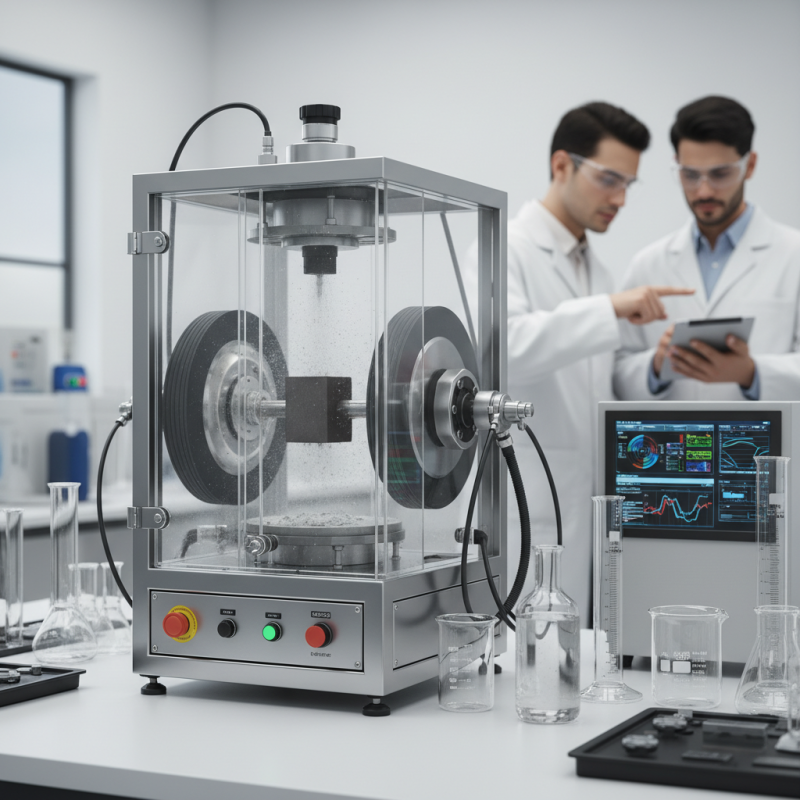
The Akron Abrasion Tester plays a crucial role in evaluating the durability of materials. This tester simulates wear and tear, helping manufacturers ensure product longevity. Understanding how it operates is vital for professionals in various industries.
Key features of the Akron Abrasion Tester include its ability to apply consistent pressure and measure material loss. This reliability makes it a favorite among engineers and quality control teams. However, not all models offer the same efficiency. Some testers may yield inconsistent results, which can mislead data interpretation.
Selecting the right Akron Abrasion Tester requires careful consideration. Users must reflect on the specific materials and conditions they are testing. Some may overlook the importance of calibration, leading to skewed results. Others might ignore user feedback, which is essential in identifying limitations.
Key Features to Look for in an Akron Abrasion Tester
When choosing an Akron abrasion tester, consider key features that impact reliability and accuracy. Look for an easy-to-read display that provides precise results. A robust construction ensures durability under frequent use. High-quality materials in the design can minimize wear over time, enhancing longevity.
Another important aspect is calibration options. Opt for testers that allow for simple recalibration to maintain accuracy. Test speed and sample size capacity are also crucial. You want a tester capable of handling various materials effectively. Ease of use matters too; complicated settings can lead to errors during testing.
Moreover, note that not all testers suit every application. Factors like the specific material being tested play a vital role. Sometimes, a machine might fail to deliver consistent results. Users should monitor performance and test results periodically. Focusing on these aspects ensures you make a well-informed decision.
Top Akron Abrasion Tester Brands for Global Buyers
When selecting an Akron abrasion tester, global buyers must consider the diverse brands available today. The abrasion tester market is projected to reach $1.5 billion by 2026, with an impressive annual growth rate of 5.3%, according to industry reports. Buyers should carefully evaluate options focusing on durability, accuracy, and ease of use.
Some top brands in this segment are recognized for their innovative designs and robust features. For instance, many testers offer adjustable weight settings and digital displays, which enhance precision. A well-calibrated device can significantly affect results, leading to better product quality assurance.
Tip: Always check the calibration certificates of the testers. A device that is consistently out of calibration can compromise your results. Also, consider user reviews on platform reliability. Not all testers, despite marketing claims, deliver consistent outcomes.
Investing in a tester with comprehensive customer support is also crucial. This ensures troubleshooting help is available when necessary. Remember, the right device is an important asset, but it must also be reliable in various testing conditions.
Comparison of Different Models of Akron Abrasion Testers
When selecting an Akron abrasion tester, buyers face various options. Different models offer unique features. Some testers are designed for specific materials, while others provide broader applications. The choice often depends on the type of analysis needed.
Certain models have more advanced functionality. They may include digital displays and automated settings. These enhance accuracy and ease of use. However, some testers might lack comprehensive user manuals. This can lead to confusion during operation. Buyers should prioritize models that balance technology with user accessibility.
Cost is another significant factor. While some models are more affordable, they may compromise on precision. Others are expensive but offer superior performance. It's essential to weigh the cost against the expected output. Testers with high durability and accuracy tend to provide long-term value. Understanding these nuances can guide buyers in making informed decisions.
Tips for Choosing the Right Akron Abrasion Tester for Your Needs
Choosing the right Akron abrasion tester requires careful consideration. Key factors include testing standards, specimen size, and the materials being evaluated. According to a 2023 industry report, 45% of users face difficulties in selecting the appropriate model. This highlights the need for users to identify their specific requirements before making a purchase.
For instance, testing rubber and plastics has unique demands. The ASTM D5963 standard offers guidelines that should inform your choice. Additionally, an effective tester should have adjustable settings. This feature allows users to simulate different wear conditions. Not all models support this flexibility. Some may not accommodate various specimen sizes, limiting their application.
Feedback from industry experts indicates that 30% of testers fail to deliver reliable results under diverse conditions. Understanding the limitations of each model can prevent costly mistakes. It’s essential to evaluate calibration processes and maintenance needs as well. Regular checks can enhance accuracy and extend the tester's lifespan. An informed choice will ensure you meet your testing objectives efficiently.
Comparison of Akron Abrasion Testers