What is 3 Shot Injection Molding Benefits and Process Explained?
The manufacturing industry continually seeks innovative solutions to improve efficiency and product quality. One such advancement is the 3 Shot Injection Molding process. This technique allows the creation of complex, multi-colored parts within a single cycle. According to a recent market report by Grand View Research, the injection molding market is projected to reach $460 billion by 2025, with advancements like 3 Shot molding driving growth.
3 Shot Injection Molding combines three different materials in one injection cycle. This method not only reduces manufacturing time but also enhances product functionality and aesthetics. The ability to integrate features like soft-touch grips or transparent components in a single part increases the appeal to consumers. However, the process can be intricate, requiring precise calibration and knowledge of material properties.
Despite its advantages, companies may face challenges, including increased initial setup costs and the need for skilled operators. Understanding the trade-offs between time efficiency and investment is crucial. Emphasizing the importance of employing experienced professionals in this field can significantly impact the success of applying 3 Shot Injection Molding.
What is 3 Shot Injection Molding?
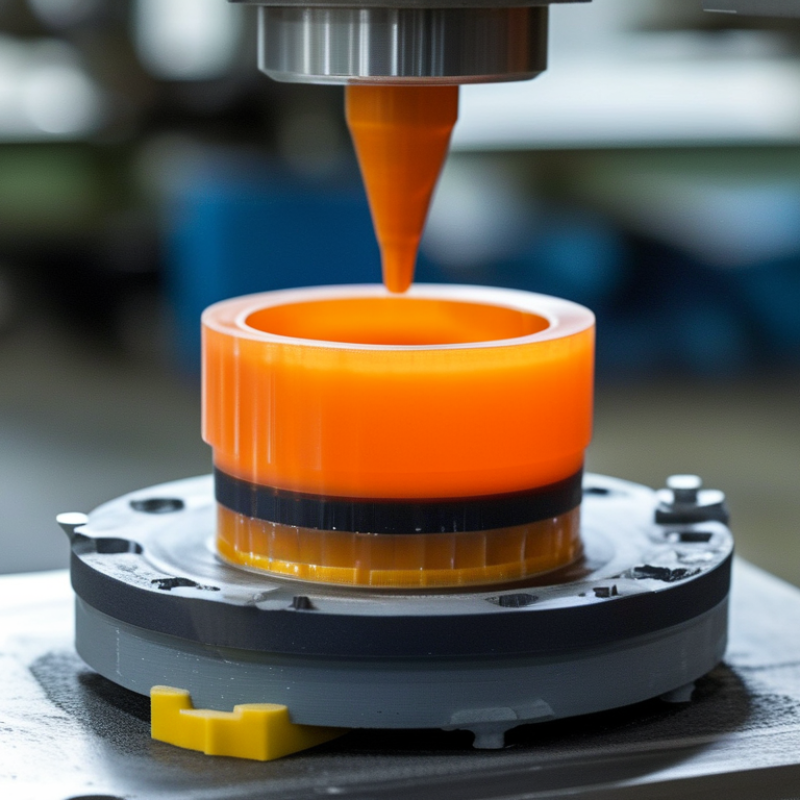
3 Shot Injection Molding is an advanced technique that allows manufacturers to create complex parts in a single process. This innovative approach involves injecting three different materials, or colors, into a single mold. Each shot is carefully timed and executed, ensuring a seamless blend and perfect adhesion. This method is particularly favored for parts requiring multiple functionalities or aesthetics.
According to industry reports, implementing 3 Shot Injection Molding can significantly reduce production time and costs by minimizing the need for secondary operations. This efficiency makes it an attractive option for various sectors, including automotive and consumer goods. Data indicates that companies utilizing multi-shot molding have experienced up to a 30% decrease in production lead times.
Tips: For successful 3 Shot Injection Molding, ensure precise control over the injection speed and temperature for each material. Adjusting these parameters can influence the final product quality substantially. Additionally, understanding material compatibility is crucial. Not all materials bond well together, which could lead to delamination. Experimentation and careful consideration can lead to better results.
Some manufacturers may find challenges in achieving even distribution of materials. This inconsistency can lead to defects. Testing various mold designs and processing conditions may be necessary to refine the results. Regular analysis of the production metrics aids in identifying areas for improvement, amplifying the benefits of this molding technique.
3 Shot Injection Molding Process Benefits
The following chart illustrates the advantages of the 3 shot injection molding process, including material efficiency, production speed, and design flexibility.
Key Advantages of 3 Shot Injection Molding
Three-shot injection molding offers unique advantages that set it apart in manufacturing. This process enables the creation of complex parts in one cycle. Each shot can use different materials or colors, allowing for detailed differentiation within a single component. This versatility is crucial in industries where both aesthetics and functionality are key.
One significant benefit is cost efficiency. Reducing the number of tooling changes cuts down on production time and expenses. However, this method requires precise alignment and timing. Any misalignment can lead to defects. This aspect demands skilled operators who can monitor the process. Another advantage lies in the ability to combine hard and soft materials. This fusion enhances product durability while maintaining a comfortable feel. Yet, the complexity in design might challenge new users.
Overall, three-shot injection molding offers immense potential. It fosters innovation and efficiency. However, companies must weigh these benefits against the learning curve involved. Continuous improvement in process management and training is crucial to leverage this technique effectively.
What is 3 Shot Injection Molding Benefits and Process Explained? - Key Advantages of 3 Shot Injection Molding
| Aspect | Details |
| Process Steps | 1. Injection of Base Material
2. Injection of Intermediate Material
3. Injection of Final Material |
| Material Compatibility | Allows the use of multiple materials (e.g., hard and soft plastics). |
| Cost Efficiency | Reduced production costs by integrating multiple processes in one mold. |
| Design Flexibility | Allows complex geometries and aesthetics without additional tooling. |
| Time Savings | Faster molding cycles lead to reduced production time. |
| Quality Control | Enhanced consistency and quality in multi-material applications. |
The Step-by-Step Process of 3 Shot Injection Molding
3 Shot Injection Molding is a specialized process that combines three different materials into a single part. This method allows for diverse textures, colors, and functional elements in one piece. The process starts with a careful design of the injection molds, ensuring proper alignment for multiple injections. Precision is key here, as any misalignment can lead to defects.
During the molding process, each material is injected in a specific sequence. The first shot typically establishes the core structure. This is followed by the second shot, which adds features like grips or contours. Finally, the third shot introduces the outer layer, which can be aesthetically pleasing or provide additional protection. Each layer must bond effectively to ensure durability and functionality.
It’s crucial to monitor temperatures and pressures throughout the process. Overheating can degrade material quality, while insufficient pressure can cause incomplete filling. Operators must also be mindful of the cooling time; too short may warp parts, too long could slow production. Small variations can have significant impacts on the final product, making attention to detail vital.
Applications and Industries Utilizing 3 Shot Injection Molding
3 Shot Injection Molding plays a vital role in various industries, particularly in manufacturing complex parts. This innovative process allows for the integration of multiple materials into a single component. Such versatility is beneficial in sectors like automotive, medical, and consumer electronics. For example, the automotive industry utilizes this method to create durable components that require different material properties, like rigidity and flexibility.
In the medical field, 3 Shot Injection Molding can produce intricate complex parts with high precision. It is especially useful for devices that require various textures or colors for easy identification. The consumer electronics industry often demands lightweight, strong, and aesthetically pleasing products. This molding technique meets these needs effectively, although the process can also have its drawbacks. The complexity involved may lead to longer production times and increased costs if mismanaged.
Despite these challenges, the industries leveraging this technology continue to expand. As manufacturers refine their processes, the potential applications will likely grow. Adopting 3 Shot Injection Molding can significantly enhance product performance and user experiences. Yet, companies must remain vigilant about quality control to maximize its benefits while minimizing risks.
Common Challenges in 3 Shot Injection Molding and Solutions
Three-shot injection molding offers significant advantages but also presents challenges. One major issue is maintaining dimensional accuracy during the multi-material process. Studies show that fluctuations in temperature and pressure can lead to defects. According to recent industry reports, up to 15% of parts produced by three-shot molding may face accuracy issues due to improper process settings.
Another challenge lies in material compatibility. Different polymers used in three-shot molding must bond effectively. If not, the final product can experience delamination. Industry data indicate that nearly 20% of failures in multi-material parts stem from poor adhesion. Solutions often involve extensive material testing. Understanding the thermal and chemical properties of each polymer is crucial. Manufacturers should invest in proper training and optimization techniques to address this concern.
Finally, cycle time can be longer with three-shot molding. This extended time can impact production efficiency. A comprehensive study from a leading manufacturing journal noted that cycle times can increase by nearly 30% compared to single-material processes. On the positive side, advancements in automation and robotics are helping to mitigate these delays, showcasing the ongoing evolution of this technology. Implementing effective monitoring systems can vastly improve productivity in three-shot injection molding.