
BlogsBlogs

Explore cutting-edge articles on laboratory products, industry innovations, and research trends with Lab Consulting.

Explore cutting-edge articles on laboratory products, industry innovations, and research trends with Lab Consulting.

2026 Top Trends in Scientific Supply Store Products and Innovations?

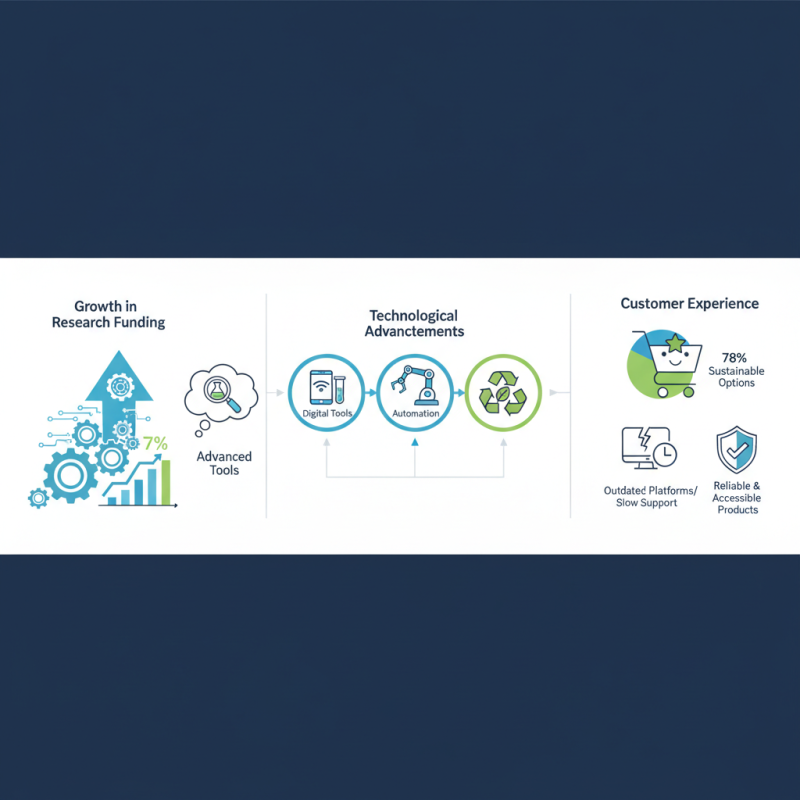
The landscape of the scientific supply store is evolving rapidly. Recent data from the National Science Foundation indicates a 7% annual growth in research funding, pushing innovation in laboratory supplies. As researchers seek more advanced tools, suppliers must adapt to these needs.

Advancements in technology significantly impact product offerings. Digital tools, automation, and eco-friendly materials are gaining traction. According to a 2023 industry report, 78% of researchers prefer suppliers who offer sustainable options. This reveals a demand for responsible sourcing in the scientific community.

Moreover, customer experience plays a crucial role in purchasing decisions. Many users report frustrations with outdated online platforms and slow support responses. Enhancing the shopping experience can improve customer loyalty. Scientific supply stores must acknowledge these challenges. They can innovate to meet evolving needs, ensuring reliable and accessible products.
2026 Top Trends in Scientific Supply Store Products and Innovations?

Emerging Biodegradable Materials for Lab Equipment in 2026

The shift towards sustainability in laboratory environments is becoming increasingly pronounced. In 2026, emerging biodegradable materials will play a pivotal role in the design of lab equipment. Research indicates that the global biodegradable materials market is projected to exceed $22 billion by 2027, suggesting a strong demand in various sectors, including scientific supply.

Biodegradable options offer substantial benefits. For instance, items made from plant-based bioplastics can decompose within months in appropriate conditions, reducing harmful waste. Innovations such as expanded biopolymers for sampling tools and sustainable storage solutions are gaining traction. However, the transition to these materials isn’t without challenges. For many labs, adjusting to new materials requires careful consideration.

Data from the Green Chemistry Institute shows that labs adopting sustainable materials could reduce their environmental footprint by up to 30%. Yet, there remains skepticism about performance equivalence compared to traditional materials. Researchers often note that performance metrics need further validation. Balancing sustainability with efficacy is an ongoing dialogue within the scientific community.
Advancements in Robotics for Automated Scientific Supply Management

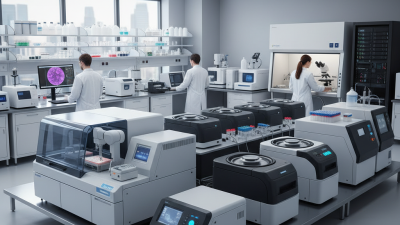
The future of scientific supply management is bright, particularly with advancements in robotics. Robotics can streamline operations in laboratory settings. Automated systems reduce human error, ensuring consistent results. These innovations bring efficiency and accuracy to inventory management and order processing.

Imagine a laboratory where robotic arms handle delicate samples. They can retrieve items, sort them, and prepare them for shipping. This reduces the risk of contamination and enhances precision. Moreover, smart robotics can monitor stock levels in real-time. They trigger reorders without human intervention. This not only saves time but also prevents shortages.

However, challenges persist. Human oversight is still necessary for complex tasks. Robots may lack the intuition that experienced staff have. Additionally, integrating new systems requires significant training and adaptation. Laboratories must weigh the costs against potential benefits. The balance between automation and human touch will shape the future of scientific supply stores.

Innovative Smart Lab Instrumentation Trends for Enhanced Efficiency

The landscape of laboratory instrumentation is rapidly evolving. Innovations focus on smart technologies that enhance daily operations. Smart lab instruments are designed to streamline workflows and improve accuracy. These devices utilize advanced sensors and data analytics to monitor experiments in real time. This integration can reduce human error and increase reproducibility.

Incorporating automation into lab processes is another significant trend. Automated systems can handle repetitive tasks, freeing up researchers for more complex thinking. Yet, there is a challenge. As labs adopt these technologies, staff must adapt to new skills. This can create a gap in knowledge, resulting in a reliance on machines. Awareness of this potential pitfall is crucial as the industry shifts.

Moreover, sustainability is becoming a priority. Labs are seeking instruments that minimize waste and energy use. Efficient design can lead to lower operational costs. However, the choice of sustainable options can be overwhelming. It requires careful consideration of trade-offs in performance versus environmental impact. Labs must evaluate their needs and make informed decisions.

2026 Top Trends in Scientific Supply Store Products and Innovations

Sustainable Practices: The Shift Toward Eco-Friendly Scientific Supplies

2026 Top Trends in Scientific Supply Store Products and Innovations?

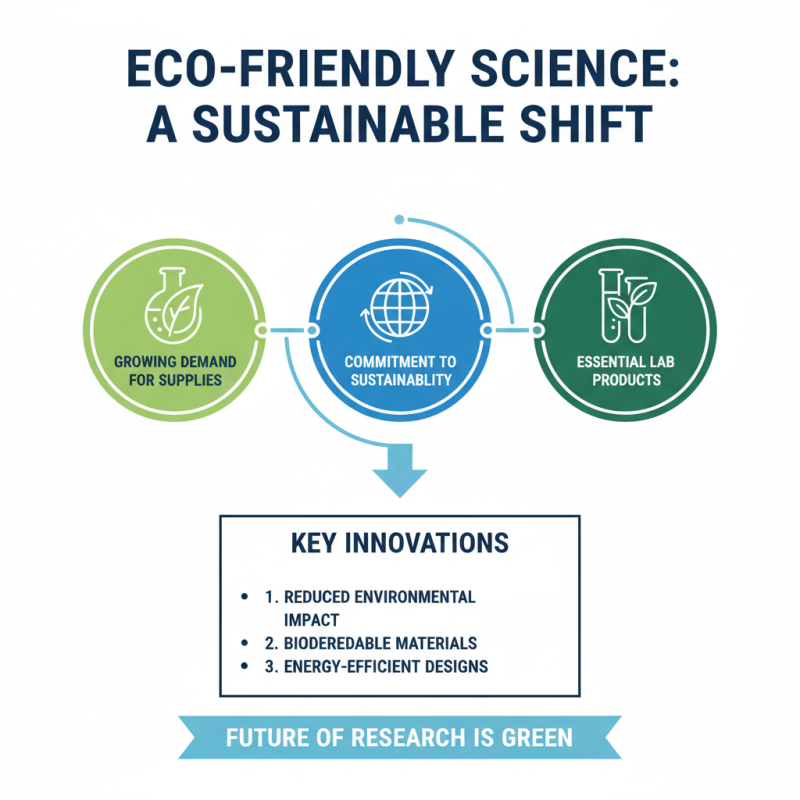
As the demand for scientific supplies grows, so does the commitment to sustainability. Eco-friendly products are becoming essential in laboratories and research facilities. This shift emphasizes the importance of reducing environmental impact through innovative practices.

Tips for eco-friendly practices include sourcing materials responsibly. Look for suppliers that prioritize recyclable or biodegradable options. Regularly assess your inventory to minimize waste. This helps in identifying items that can be replaced with sustainable alternatives. Small changes make a significant difference.

Another focus should be on energy efficiency. Use energy-saving devices in your lab. Consider switching to LED lighting and ensuring equipment is turned off when not in use. Conduct regular energy audits to uncover areas for improvement. This approach not only reduces costs but also fosters a culture of sustainability within your team.

Ultimately, the journey toward sustainable practices requires reflection. Review the environmental impact of your current supplies. Are there more sustainable options available? Continuous improvement will lead to a greener future in scientific research and supply. This is a crucial step that benefits everyone involved.

AI-Driven Predictive Analytics in Inventory Management for Labs

AI-driven predictive analytics is transforming inventory management in laboratories. This approach allows labs to optimize their supply chains effectively. Recent studies show that utilizing AI can reduce stockouts by up to 80%. This statistic underscores the importance of proactive inventory management.

Predictive analytics helps laboratories forecast their needs. By analyzing historical data, labs can identify usage patterns. This leads to more accurate ordering processes. They can avoid overstocking or understocking. A 2023 report indicated that labs using AI analytics saw a 25% decrease in inventory costs. This reflects better financial management.

However, reliance on AI isn't without challenges. Data accuracy is crucial for effective predictions. Labs must invest in maintaining their data quality. Additionally, staff training is essential. Without proper training, the potential of AI analytics might not be fully realized. Thus, ongoing evaluation and adaptation are vital for laboratories to succeed in this digital age.

Newsletter

Subscribe to our newsletter and receive the latest news and exclusive insights every month. No spam.