Explore cutting-edge articles on laboratory products, industry innovations, and research trends with Lab Consulting.
In 2026, global buyers are looking beyond simple flame resistance. They need a Fire Retardant Coating that protects steel, wood, cables, and composite panels under real fire conditions. MarketsandMarkets valued the global flame retardants market at approximately USD 7.4 billion in 2023. Its 2024 report projects continued growth through 2028, driven by construction, transportation, and electrical applications. However, chemical-market growth does not guarantee coating performance. Product selection still depends on substrate, film thickness, humidity, application quality, and verified fire-test results.
Small details matter. A steel beam may appear fully covered, yet thin areas around bolts can weaken protection. An intumescent layer may expand dramatically, but poor surface preparation can cause blistering or early delamination. Grand View Research also identifies rising demand for intumescent coatings, especially where passive fire protection supports modern building design. These figures indicate opportunity, not automatic reliability.
Dr. Richard Hull, a respected fire-safety and polymer-combustion researcher, offers a useful principle: “Fire safety is a systems issue, not a single-material decision.” Buyers should therefore review EN, ASTM, UL, or equivalent test evidence, depending on the project location. They should also request technical data sheets, batch traceability, service-temperature limits, and independent certification. Marketing claims can sound convincing. They are not test reports. This guide compares leading 2026 options through performance, durability, application practicality, and documented compliance. The conclusion may be less comfortable: the most expensive coating is not always the safest, and the cheapest one can become costly after failure.
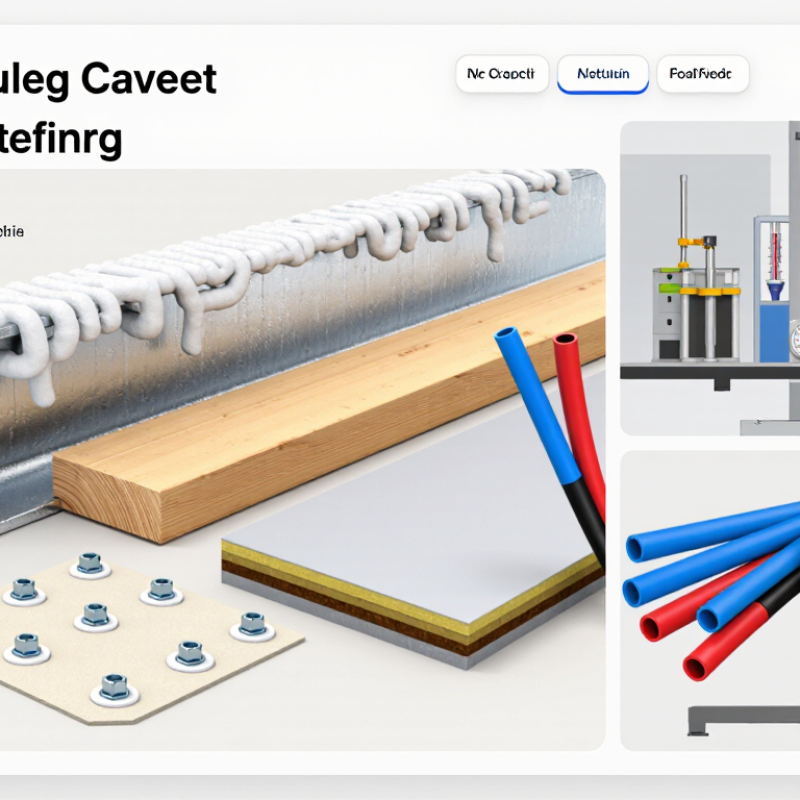
Fire retardant coating is a protective layer that slows ignition, flame spread, and heat damage. It does not make a building completely fireproof. Its performance depends on the coating, substrate, thickness, and tested construction system.
Many products react when exposed to intense heat. Intumescent coatings swell into a carbon-rich foam. This insulating layer protects steel, timber, or other approved surfaces from rapid temperature rise.
Cementitious coatings work differently. They form a thicker, heat-resistant barrier. Some water-based coatings also reduce flame spread on interior materials, but only within their tested applications.
Application quality matters as much as chemistry. The surface must be clean, dry, and properly prepared. Workers should measure wet and dry film thickness with suitable gauges. A thin patch around a bolt or corner can become a weak point. Moisture, dust, poor mixing, and incorrect curing time may reduce protection. Practical inspections often find these details overlooked.
Buyers should request independent fire-test reports, technical data sheets, and clear coverage requirements. Check whether the evidence matches the exact substrate and assembly. A coating tested on structural steel may not perform equally on timber panels. That distinction is easy to miss. Even reliable products can fail when installation records are incomplete or site conditions change. Performance claims deserve careful review, not blind confidence.
For global buyers, fire retardant coating selection starts with the application, not the product label. Intumescent coatings suit exposed steel in offices, warehouses, and transport structures. They expand into an insulating char when heated. Cementitious coatings offer robust protection for structural steel, especially in industrial plants. Their textured finish, however, can complicate cleaning and visual inspection.
Epoxy and polysiloxane systems perform better in humid, chemical, or offshore environments. They resist corrosion while supporting fire protection, but surface preparation must be carefully controlled. For cables, ducts, and penetration seals, thin-film ablative coatings can limit flame spread and smoke movement. The choice should reflect fire duration, substrate temperature, humidity, impact risk, and maintenance access.
USD 1.1 billion Grand View Research estimated the global fire-resistant coatings market at about USD 1.1 billion in 2023, with continued growth through 2030. That growth signals demand, not automatic suitability. A larger market can still hide poor specifications.
Tips: Ask for tested system data, not only a product brochure. Review ASTM E119, UL 263, EN 13381, or the relevant local standard. Confirm dry-film thickness on site with calibrated gauges. Inspect welds, edges, and repaired areas closely. These details often decide performance. Also check compatibility between primer, fireproof layer, and topcoat. In practice, specifications are sometimes too neat; real buildings contain dust, moisture, and rushed repairs. A qualified coating inspector and a documented maintenance plan remain essential.
2026 Best Fire Retardant Coating for Global Buyers
A strong coating evaluation starts with the complete building assembly, not a product label. Substrate type, primer, film thickness, and installation conditions can change fire performance significantly. Request test reports from competent laboratories, and check whether the tested assembly matches your wall, steel, timber, or cable application. A certificate for one substrate should not be treated as universal approval.
Look beyond flame resistance. Examine smoke development, heat release, adhesion, abrasion resistance, moisture tolerance, and long-term weathering. Measure dry film thickness at several points, especially around edges, welds, joints, and overhead surfaces. Small gaps can become weak paths during a fire. They are easy to miss. Safety data should identify hazards, ventilation needs, protective equipment, curing limits, and storage conditions. Lower emissions may improve indoor safety, but they do not automatically prove better fire protection.
Compliance requires current, traceable documentation. Compare the report’s test method with the target country’s building requirements, and confirm recognition by the local authority or project reviewer. Check batch numbers, production dates, application records, and installer training. In field inspections, uneven preparation often causes more trouble than the coating chemistry itself. A visually smooth finish can still hide poor adhesion. Buyers should allow independent inspection, repeat thickness checks, and realistic maintenance planning. No evaluation is perfect; site exposure and workmanship can challenge laboratory results.
| Coating Technology | Typical Application | Indicative Dry Film Thickness | Indicative Fire-Resistance Range | Relevant Test or Classification Methods | Temperature and Environment | Safety and VOC Considerations | Compliance Evidence to Request | Key Buyer Evaluation Points |
|---|---|---|---|---|---|---|---|---|
| Water-Based Acrylic Intumescent | Interior structural steel, commercial buildings, public facilities, and protected indoor areas. | Approximately 0.5–3.0 mm, depending on the required protection period, steel section factor, and tested system. | Commonly specified for approximately 30–120 minutes when used within a tested steel protection system. | EN 13381-8; EN 13501-2; ASTM E119 or UL 263 where applicable; ASTM E84 for surface-burning characteristics when required. | Generally suited to dry interior service. Long-term exposure to condensation, high humidity, or freezing may require a compatible primer and topcoat. | Usually lower odor and lower VOC than solvent-based alternatives, but the safety data sheet must confirm VOC content, preservatives, flash point, and ventilation requirements. | Independent fire-test report, classification report, approved primer/topcoat compatibility, application specification, and VOC documentation for the destination market. | Check wet-film and dry-film control, recoat windows, humidity limits, substrate preparation, curing time, and whether the tested system matches the actual steel profile. |
| Solvent-Based Epoxy Intumescent | Industrial steel, offshore or semi-exposed structures, petrochemical facilities, and areas requiring stronger mechanical resistance. | Approximately 1.0–6.0 mm; thicker systems may require multiple coats and controlled application procedures. | Commonly specified for approximately 60–180 minutes, subject to the tested assembly, loading conditions, and section factor. | EN 13381-8; EN 13501-2; ASTM E119 or UL 263; hydrocarbon fire testing may be required for certain industrial applications. | Typically offers better resistance to impact, abrasion, and intermittent moisture than many water-based systems. Continuous service temperature must be confirmed for the formulation. | May contain flammable solvents and higher VOC levels. Require explosion-control measures, suitable respiratory protection, grounding, and ventilation during application. | Fire-test evidence for the exact coating build-up, SDS, VOC or emissions declaration, transport classification, and regional chemical compliance documents. | Evaluate pot life, mixing ratio, application equipment, maximum recoat interval, holiday detection, abrasion resistance, and repair procedures after mechanical damage. |
| Cementitious or Vermiculite Spray Coating | Structural steel, concrete, tunnels, car parks, industrial buildings, and large-area passive fire protection. | Approximately 6–50 mm or more, depending on the substrate, fire duration, density, and design temperature. | Commonly specified for approximately 60–240 minutes in approved assemblies; some systems are designed for higher fire durations. | EN 13381 series; EN 13501-2; ASTM E119 or UL 263; ASTM E736 or equivalent adhesion testing where specified. | Suitable for many interior and semi-exposed applications when protected from excessive water, impact, and freeze-thaw conditions. A sealer or topcoat may be needed. | Generally low in solvent emissions, but dust can be generated during handling and spraying. Cementitious products may be alkaline and require eye, skin, and respiratory protection. | Fire classification, density and adhesion data, environmental durability documentation, substrate-primer compatibility, and installation method statement. | Check surface profile, mesh or reinforcement requirements, thickness tolerance, overspray control, curing conditions, repairability, weight addition, and final appearance. |
| Silicone or Elastomeric Fire-Resistive Coating | Exterior or high-moisture environments, industrial structures, façades, cable systems, and applications requiring flexibility. | Typically approximately 1.0–10.0 mm, depending on the tested application and fire exposure. | Often specified for approximately 30–120 minutes; performance varies substantially between structural, cable, façade, and penetration systems. | Application-specific standards may include EN 1363, EN 1366, EN 13501, ASTM E814, UL 1479, or other locally recognized methods. | Designed for improved weathering, movement, or moisture tolerance. Confirm ultraviolet resistance, minimum application temperature, and continuous service temperature. | VOC and cure chemistry vary widely. Some systems release moisture or other by-products during curing; review the SDS and confined-space requirements. | Use-specific fire-test report, movement and weathering data, adhesion results, compatibility statement, and certification accepted in the importing country. | Do not compare results across unrelated applications. Confirm the substrate, joint or penetration geometry, fire direction, movement requirement, and installation accessories. |
| Fire-Retardant Coating for Wood and Cellulosic Materials | Timber, plywood, wall panels, interior joinery, decorative surfaces, and selected building components. | Typically specified by wet application rate or dry film thickness; approximately 0.2–1.0 mm is common, but the approved value is product-specific. | Usually evaluated for reduced flame spread and smoke development rather than structural fire resistance. Duration claims must be tied to a specific tested assembly. | EN 13501-1; ASTM E84; ASTM E2768; ISO 5660; national surface-spread or smoke-development methods as required. | Interior use is common. Exterior use requires verified resistance to rain, ultraviolet exposure, abrasion, and repeated humidity changes. | Water-based products may have lower odor, while biocides, preservatives, and solvents can still present hazards. Confirm emissions, toxicity, and re-entry requirements. | Reaction-to-fire classification, emissions or indoor-air documentation, substrate-specific test report, maintenance instructions, and treatment-retention records. | Verify the exact wood species, moisture content, density, surface finish, application rate, sanding or refinishing limits, and whether the coating remains effective after cutting. |
| Firestop Coating for Cables and Penetrations | Cable trays, electrical penetrations, pipes, ducts, joints, and service openings in fire-rated walls or floors. | Often approximately 1–3 mm for cable coatings; penetration and joint systems may require substantially thicker, layered, or combined materials. | Commonly designed for 60–240 minutes, but the rating depends on the complete penetration or joint system rather than the coating alone. | EN 1366-3; EN 1366-4; EN 13501-2; ASTM E814; UL 1479; ASTM E1966 or UL 2079 for joint systems where applicable. | Service conditions depend on cable type, movement, moisture, chemicals, and access for inspection. Confirm compatibility with insulation and sheathing materials. | Review VOC, curing chemistry, skin and eye hazards, electrical isolation requirements, and fire performance after aging or environmental exposure. | System listing or classification, tested penetration configuration, installation drawings, cable or pipe compatibility data, and inspection and maintenance procedure. | Match the tested cable fill, opening size, wall or floor construction, backing material, annular space, and required movement or seismic classification. |
Global buyers should not choose coatings by marketing claims alone. NFPA’s Fire Loss in the United States During 2023 recorded about 1.39 million fires and USD 18.1 billion in direct property damage. These figures show why verified fire performance matters across industrial, commercial, and infrastructure projects.
Start with the substrate and exposure conditions. Steel beams may need an intumescent coating that expands during heating. Concrete, timber, and electrical enclosures require different formulations. Check the tested fire-resistance period, application thickness, curing conditions, and maintenance requirements.
ISO 834 and ASTM E119 provide widely recognized testing frameworks, but local approval may still differ. A certificate is not automatically valid everywhere.
Global procurement also needs practical evidence. Request independent laboratory reports, batch traceability, technical data sheets, and application records. Compare performance in humid ports, dusty construction sites, and temperature-controlled interiors. CTIF’s World Fire Statistics reports show that fire data remains inconsistent between countries, making local risk assessment essential. That gap deserves attention.
The cheapest coating may create expensive rework. A product can pass a furnace test yet fail through poor surface preparation or incorrect thickness. Field inspection matters. So does installer training. No coating is universally best; buyers must balance fire rating, durability, emissions, supply continuity, and regional compliance.
Selecting the best fire retardant coating in 2026 requires more than comparing fire ratings. Application conditions often decide real performance.
Steel must be clean, dry, and free from oil, rust, and loose mill scale. Check substrate temperature and humidity before coating. Small details matter. A compatible primer prevents peeling and chemical reactions. Apply the specified thickness in controlled layers, rather than one heavy coat. Measure dry film thickness with calibrated equipment after curing. Pay extra attention to welds, bolts, corners, and narrow gaps. These areas frequently receive less material during spraying.
Maintenance begins with a practical inspection schedule. Examine coated surfaces annually, especially in humid, coastal, or industrial locations. Look for cracking, blistering, impact marks, discoloration, and exposed steel. Repair damaged sections using the original preparation and approved repair method. Do not simply paint over corrosion. That shortcut can hide a serious failure.
Long-term performance depends on moisture control, drainage, ventilation, and temperature stability. Outdoor coatings may need additional protection against ultraviolet exposure and salt deposits. Keep inspection records with thickness readings, photographs, and repair dates. In field projects, I have seen excellent coatings fail because water remained behind a flange. The specification was correct. The detailing was not. No coating stays perfect. Periodic review should question both the product and the installation process.
Subscribe to our newsletter and receive the latest news and exclusive insights every month. No spam.
LabConsulting GmbH and LC LabService GmbH are Austrian companies which cooperate with over 600 manufacturers and offers a selection of more than 180,000 products and various laboratory product and service solutions for our Labcustomers.
Die LabConsulting GmbH und die LC LabService GmbH sind österreichische Unternehmen, die mit über 600 global verteilten Herstellern zusammenarbeiten und mit einer Auswahl von mehr als 180.000 Produkten und verschiedenen Laborprodukt- und Servicelösungen unseren Parnern im Labor anbieten.
INSTOCK CATALOGOur services
Our services